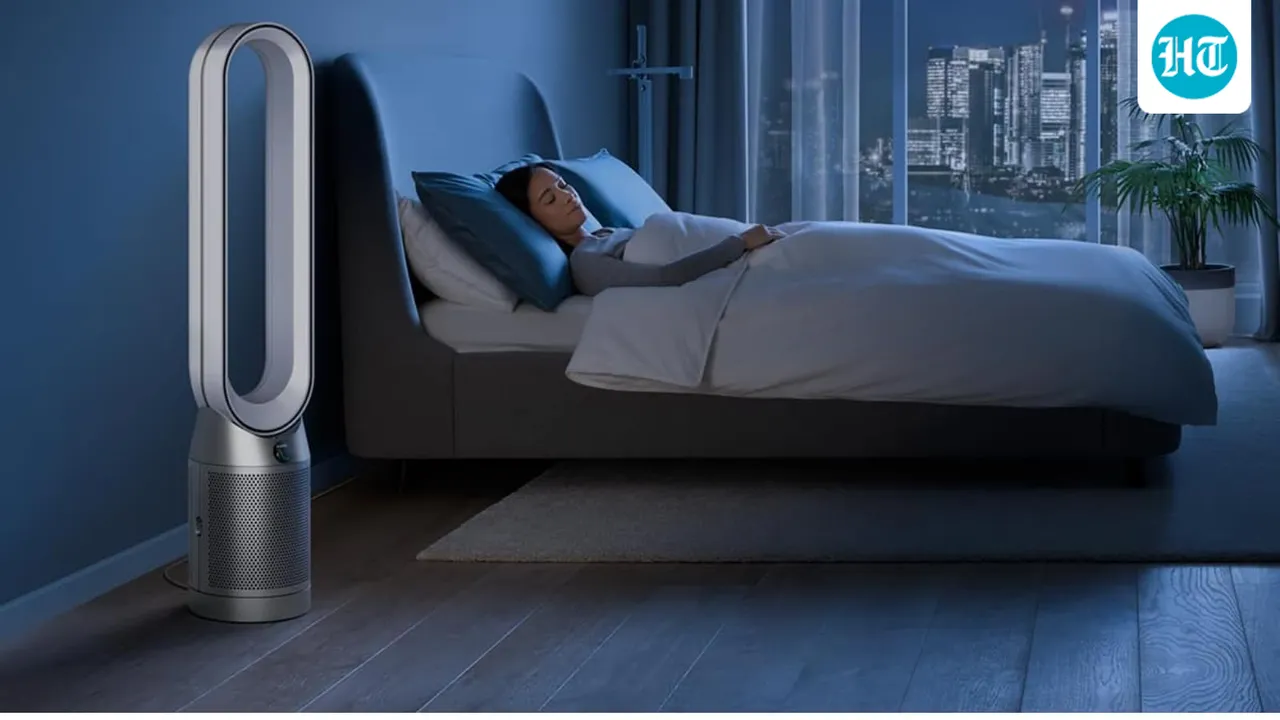
We asked Dr Jeenam Shah, consultant in respiratory medicine at Jaslok Hospital and Research Centre, Mumbai, about air purifiers, as the air around this time contains particulate matter (PM2.5 and PM10), sulphur dioxide, nitrogen oxides, and other harmful substances. The smallest particles, especially PM 2.5, can penetrate deep into the lungs and even enter the bloodstream, contributing to inflammation and worsening existing respiratory and cardiovascular conditions.
Healthy people may also experience headaches, sore throat, eye irritation, and breathlessness. Dr Shah said, “One question I frequently encounter during this period is whether investing in an air purifier actually makes a difference. The answer is yes, provided you choose the right device and use it correctly.”
How do air purifiers help?
Let's understand the technology behind air purifiers. They help improve indoor air quality, but their effectiveness depends on the filters they use and the pollutants present.
Dr Shah said, “Air purifiers equipped with HEPA (High-Efficiency Particulate Air) filters can effectively capture fine airborne particles, including PM2.5. By continuously circulating indoor air through these filters, they can substantially reduce particulate pollution inside a room.”
But he also pointed out that an air purifier does not make your home completely pollution-free. Standard HEPA filters primarily remove particles and do not effectively eliminate gaseous pollutants.
What should you look for before buying one?
Before you buy an air purifier, you need to know if it can effectively clean the air in the room where you plan to use it. Dr Shah recommended checking its Clean Air Delivery Rate (CADR), which means how much filtered air the device delivers in a given amount of time.
A higher CADR means the purifier can clean a greater volume of air, making it suitable for a larger space. “For example, if your bedroom measures 150 square feet, with a standard ceiling height of around 10 feet, choose a purifier capable of delivering approximately 200 cubic meters of clean air per hour or more,” he advised.
What does this mean? According to the expert, choosing a purifier with an adequate CADR allows the device to filter air equivalent to the room's entire volume roughly 4 to 5 times per hour. So, the takeaway is that simply running a purifier is not enough; an undersized device may not clean a large room properly. Ensure you choose a purifier with a genuine HEPA-grade filter, preferably with an activated carbon layer, and avoid devices that intentionally generate ozone, which can irritate the respiratory system.
ALSO READ: How quickly do your lungs recover after you stop smoking? A pulmonologist explains what happens days, weeks, and years after quitting
Are air purifiers enough to protect your family?
But is it enough? This question often comes to mind. The doctor firmly responded, "Absolutely not. An air purifier should be considered an additional layer of protection, not a substitute for reducing exposure to pollution.” This means you need to make some lifestyle changes, such as avoiding unnecessary outdoor exposure when AQI levels are high and checking the Air Quality Index before planning outdoor activities.
The doctor cautioned that vulnerable groups, including children, senior citizens, pregnant women and people with asthma, COPD or cardiovascular diseases, should be especially vigilant. He also advised, "Avoid additional indoor sources of pollution, such as incense sticks, mosquito coils and excessive cooking fumes. Ventilate your home when outdoor air quality improves.”
When going outside during severe pollution, wear a well-fitting N95 mask, as regular surgical and cloth masks may not provide adequate protection against fine particulate matter.