


Health
Lack Of Physical Activity Among Teens Increasing Health Risks: WHO Warns
A quarter of teens globally engage in basically no physical activity -- not even an hour of exercise a week -- the World Health Organization said Wednesday.
Health: medicine, wellness, diet, fitness, diseases and healthcare news you can use.
32 stories
A quarter of teens globally engage in basically no physical activity -- not even an hour of exercise a week -- the World Health Organization said Wednesday.

Breast cancer often starts long before a lump, influenced by diet, obesity, inactivity, diabetes, and environmental chemicals; learn prevention and early detection.

A quarter of teens globally engage in basically no physical activity -- not even an hour of exercise a week -- the World Health Organization said Wednesday, warning that this significantly raises health risks. The WHO's new global estimates found that when asked, one in four adolescents aged 11 to 17 report no active days -- defined as at least 60 minutes of moderate to vigorous physical activity -- in the previous week.

One in four teenagers worldwide, or around 240 million, reported no active days in a week, with global adolescent physical activity levels remaining persistently low over the previous 15 years, according to a global analysis of self-reported physical activity published in The Lancet Global Health journal.
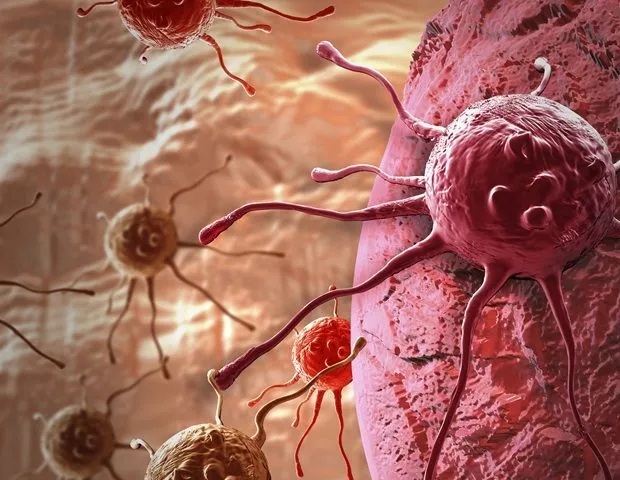
Glioblastoma is the deadliest and most common type of malignant brain tumour in adults. One of the reasons it's almost always incurable is that individual tumour cells are very different from one another and shift dynamically between various 'states'.

Currently in New York, around four thousand people have the flu. Another twenty three hundred have covid and those numbers are only expected to continue climbing. This poses a greater threat to pregnant women and children, because they have weaker immune systems.

Children face impaired lung development, young adults risk long-term respiratory damage, while senior citizens remain particularly vulnerable, reports Gautam Debroy.

Researchers found that participants who fell asleep earlier experienced better weight loss over an eight-week period. While the intervention did not lead to improvements in blood sugar levels, it highlighted how the timing of sleep could impact weight management.
Estrogen therapy was associated with increased porphyria cutanea tarda risk, with oral administration showing the strongest association.
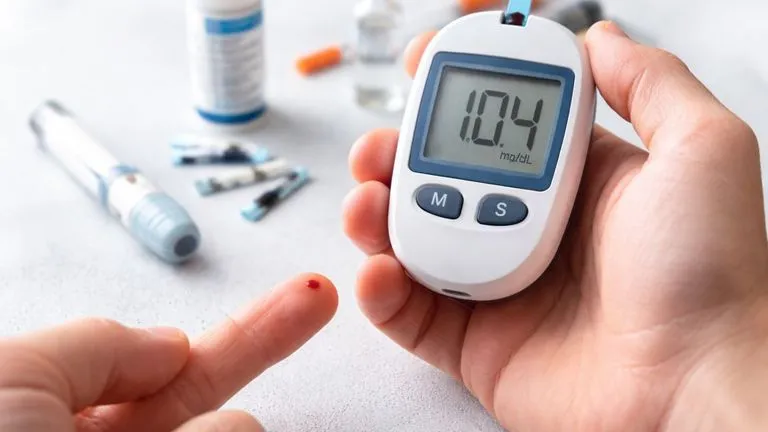
This implant can be used as a different approach to managing type 2 diabetes, particularly in people who also struggle with excess weight. In mice experiments, the device helped regulate blood sugar levels and was linked to weight loss.

Repatriation detention centers (Centri di Permanenza per il Rimpatrio [CPRs]) in Italy hold foreign nationals awaiting removal from the country. Similar centers exist worldwide, but their health and medical-ethical implications receive far less scrutiny than migration policy debates. These issues have drawn attention following an investigation launched in July 2025, made public in February 2026, […]
A new device could be implanted into the human body to treat diabetes and obesity without the need for drugs or insulin