Market Mastery
Webinar by Vishal Malkan
Find the weak links
in your portfolio by Vishal Malkan
The Union Cabinet on November 4 approved a Rs 2,814-crore capital expenditure support scheme to promote domestic processing of critical minerals, including lithium and nickel, as the government looks to reduce India's dependence on imports and strengthen its position in the global battery supply chain.
The scheme, to be implemented over five years from FY27 to FY31, will provide a capital subsidy of 30% of eligible investment for setting up four processing plants — two for lithium and two for nickel. Cobalt is also expected to be recovered as a by-product of nickel processing, according to an official statement.
Moneycontrol had reported on September 22 that the government was preparing a substantial incentive scheme to promote domestic lithium and nickel processing. Mines Secretary Keshav Chandra had then told Moneycontrol that the proposed intervention would address the gap in incentives for processing freshly mined ore into value-added materials, as the government sought to build capabilities across the critical mineral value chain.
The scheme comes against the backdrop of India's limited domestic processing infrastructure and substantial dependence on imports for refined intermediates and high-purity materials, including lithium, nickel and cobalt. The concentration of critical mineral processing in a handful of countries also leaves supply chains vulnerable to geopolitical disruptions, export restrictions and price volatility.
Four processing plants to be set up
Under the scheme, two lithium processing plants, each with a minimum capacity of 30 kilotonnes (kt), and two nickel processing plants, each with a minimum capacity of 50 kt, will be established.
The maximum capital support will be capped at Rs 500 crore per lithium beneficiary and Rs 900 crore per nickel beneficiary. The government will select beneficiaries through a two-stage process, beginning with technical qualification, followed by financial bidding.
For each mineral, two beneficiaries will be selected based on the least-cost criterion, which means preference will be given to companies seeking the lowest capital expenditure support from the government. The incentives will be disbursed in three tranches linked to the achievement of specified project milestones.
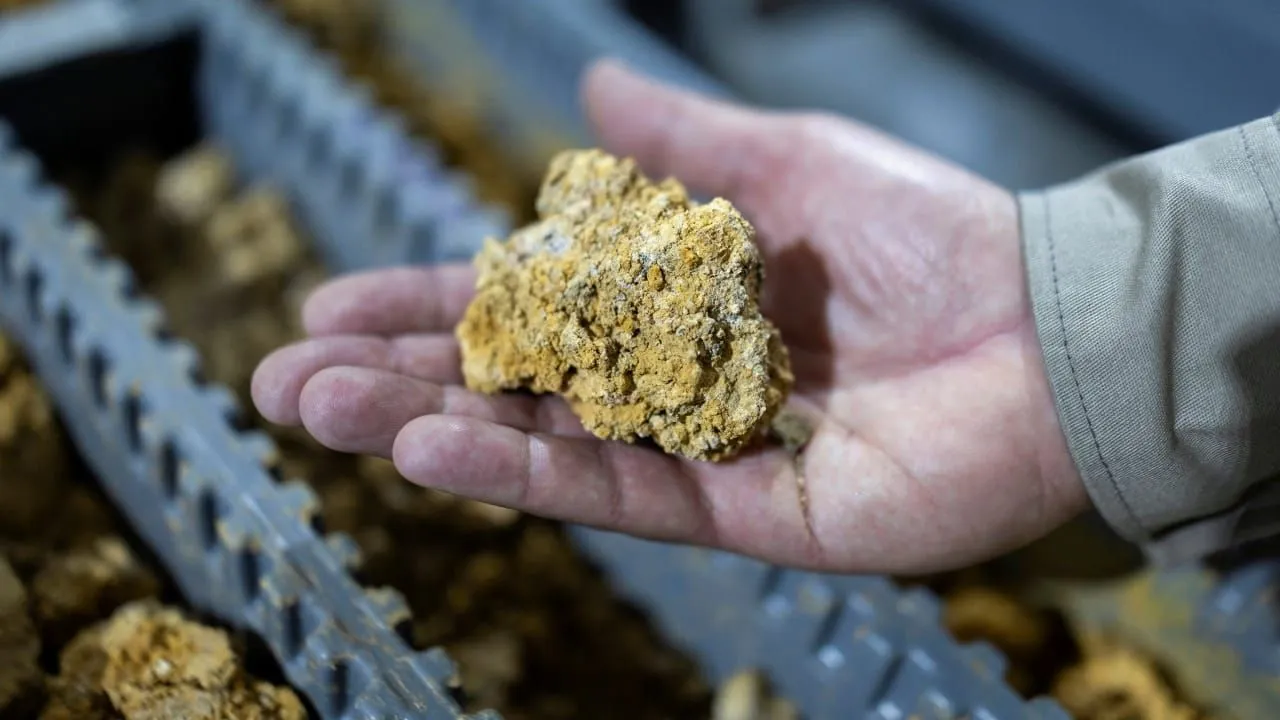
The processing facilities will convert lithium and nickel ores and intermediate products into high-purity compounds. The output will cater to sectors such as electric mobility, battery energy storage systems (BESS), electronics, defence and speciality steel, the government said.
Addresses gap in critical mineral value chain
The scheme builds on the government's broader push to develop an end-to-end domestic critical mineral ecosystem. While the government already has a Rs 1,500-crore incentive scheme for critical mineral recycling, there was no comparable support for processing freshly mined ore into value-added materials.