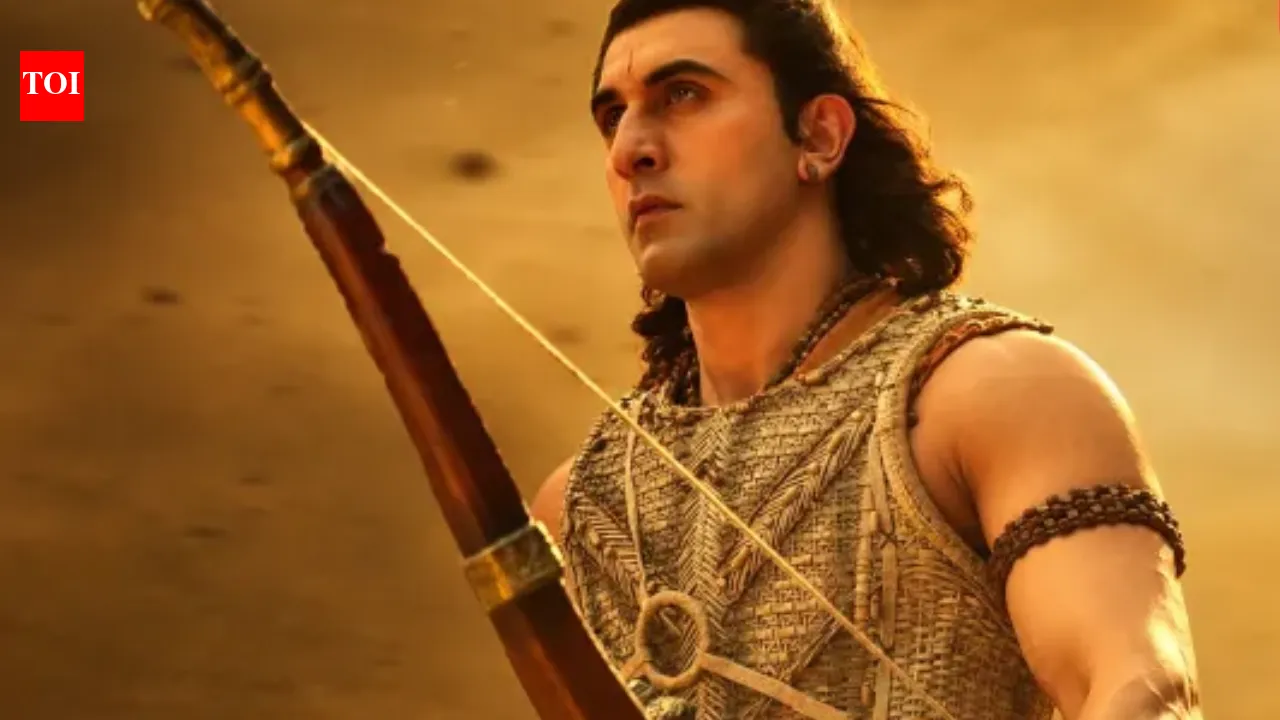
The whole of India waited for almost 2 years to see Ranbir Kapoor take over the character of Lord Rama in Namit Malhotra’s grand ‘Ramayana’. The film’s first part is finally out, and all anyone can talk about is the grand VFX and stunning ensembles. Reportedly, the complex warrior costumes for Lord Rama and Lord Laxman took three years to create through the hard work of Assamese craftsmen. This tale focuses less on the glamour of the film industry and its technology and more on highlighting India's traditional craftsmanship. Here’s a brief account of the story behind Ranbir Kapoor's ‘Ramayana’ outfit and the Assamese artisans who worked on it.
In an interview with ANI, Abdin revealed that once they completed a repair on the first versions, they had the lead actor wear the equipment. He admitted the harness was uncomfortable, and the cane materials made it difficult for him to move. There was a follow-up question regarding what materials could be used instead of cane. Then the production provided black rubber in green colour. However, the baton produced by pure cane did not deliver the required effect, so Abdin suggested using a combination of the two materials to maintain the traditional aspect of the design while improving comfort.
(Image Credits: Instagram)
Costume designer Ajay Kumar revealed in an interview with India Today that he focused his research on Northeastern craftsmanship and eventually finalised Assamese artists. He said, "When we were designing the armour, the first question we asked was about the raw materials that were used in the forest during their vanvaas. We read religious texts to find out about the type of armour being used and what raw materials would have been used in that period. That’s how the conversation about the Sarpat cane started.” The team first looked for furniture-making houses in Mumbai, including places in Goregaon and Juhu, but struggled to find craftsmen who could make body armour from cane. Finally, they found assistance from Abdin and his team to create the prototype in the state of Assam. The cane formed the structure of the armour, while morapaat, wooden beads, and other ornaments were used.
(Image Credits: Instagram)