DISCLAIMER: This article is based on information from the public domain and/or the experts we spoke to. Always consult your health practitioner before starting any routine.
However, if an artery is severely blocked, chest pain continues, or blood flow to the heart remains poor, a procedure such as angioplasty may be needed to restore circulation and prevent further damage to the heart muscle.
How do doctors decide between angioplasty and bypass surgery?
“Doctors consider several factors before deciding on treatment,” Dr Dhall notes. These include the patient’s symptoms, overall heart function, age and other medical conditions such as diabetes or kidney disease.
Story continues below this ad
While angioplasty may be suitable for certain blockages, bypass surgery may be considered when multiple major arteries are affected, or the blockages are too complex for stenting.
“The number of blocked arteries, the location and severity of the blockage” are among the factors doctors assess before choosing a treatment, Dr Dhall notes.
The severity of the heart attack also matters. A blockage in a major artery supplying a large portion of the heart can be life-threatening and may require urgent intervention, while smaller or less critical blockages may sometimes be managed differently.
What if the person feels fine after a heart attack?
This is where things can become confusing. Symptoms may improve after a heart attack, but the underlying narrowing in an artery may still be present.
Story continues below this ad
“Some people may feel completely normal after a heart attack but still have a serious blockage in one or more heart arteries,” Dr Dhall points out.
That is why follow-up testing remains important even when the patient feels well. Leaving a significant blockage untreated can increase the risk of another heart attack, worsening heart function, heart failure or abnormal heart rhythms.
What tests show how badly the heart has been affected?
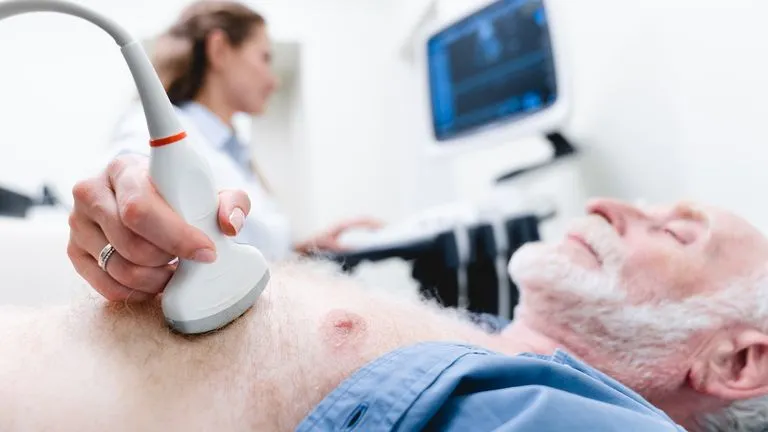
Doctors may use an ECG and blood tests to identify evidence of a heart attack. An echocardiogram can assess how well the heart is pumping, while coronary angiography can directly show blockages in the heart’s arteries.
Depending on the patient’s situation, doctors may also use stress testing or coronary CT.
Story continues below this ad
“These investigations help determine the extent of damage and whether an artery needs to be treated with angioplasty or surgery,” the cardiologist explains.
Can medicines clear a blocked artery?
Medicines remain an important part of treatment after a heart attack. “Medicines can help stabilise the blockage, reduce inflammation, prevent blood clot formation, lower cholesterol levels, and improve blood flow.”
“However, they usually do not completely remove a severe blockage.”
So, when an artery is critically narrowed and blood supply to the heart is significantly affected, a procedure may still be necessary to physically restore circulation.
Story continues below this ad
What does recovery look like without surgery?
“Recovery without surgery focuses on medications, lifestyle changes, and close medical follow-up,” says Dr Dhall, emphasising the long-term care needed in such cases.
This means taking prescribed medicines regularly, controlling blood pressure, cholesterol and diabetes, following a heart-healthy diet and gradually returning to physical activity under medical guidance. Cardiac rehabilitation can also help patients safely rebuild their fitness and confidence.
The cardiologist further suggests that stopping smoking or tobacco use, maintaining a healthy weight, getting adequate sleep and managing stress are also important for reducing the risk of another heart attack. Regular follow-up with a cardiologist helps doctors monitor recovery and manage ongoing risk factors.
Which symptoms after a heart attack need urgent attention?
As Dr Dhall explains, new or recurring chest pain, breathlessness, severe sweating, dizziness, fainting, a rapid or irregular heartbeat, sudden swelling in the legs or unexplained extreme fatigue should not be ignored.
Story continues below this ad
Pain spreading to the arm, neck, jaw or back is another warning sign.
“Prompt treatment can prevent further heart damage and may be lifesaving, especially if another blockage or complication is developing.”
So, whether someone can recover from a heart attack without angioplasty or bypass depends on the extent and location of the blockage, blood flow, heart function and results of medical tests. Feeling better is encouraging, but it is not enough on its own to determine whether further treatment is needed.