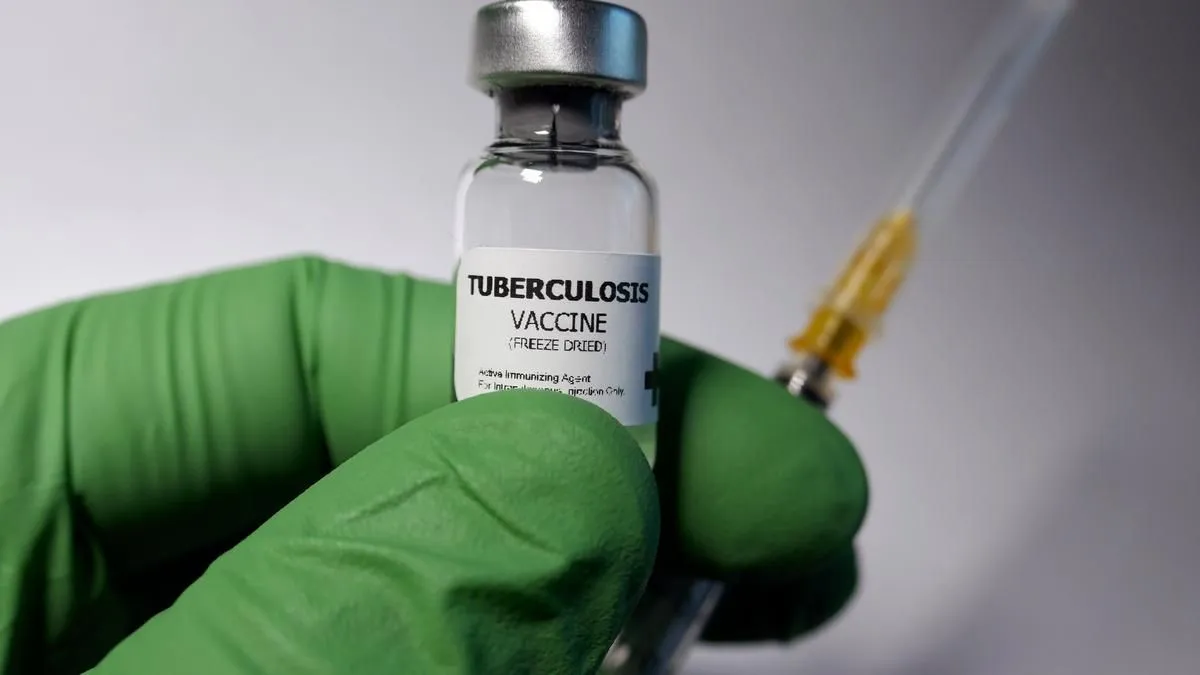
India has reached a pivotal milestone in its battle against tuberculosis (TB), having achieved a 38 per cent decrease in TB mortality rates since 2015. This accomplishment surpasses the global average reduction of 35 per cent and underscores the nation’s dedication to tackling the disease. According to the World Health Organization's (WHO) Global Tuberculosis Report 2026, released on November 12, this notable reduction highlights India's commitment to reducing TB-related fatalities.
In addition to the decline in mortality, the country has registered a 94 per cent treatment success rate for TB patients. This progress is attributed to enhanced initiatives under the National TB Elimination Programme (NTEP), which includes proactive case detection, the use of artificial intelligence-assisted X-ray technology, rapid diagnostic methods, timely initiation of treatment, differentiated care models, and nutritional support for patients.
As part of the TB Mukt Bharat Abhiyaan, over 250 million individuals have undergone intensified screening. The initiative focuses on transforming TB detection by leveraging technology and community outreach efforts, asserting itself as a driving force behind India's accelerated push for TB elimination.
However, despite these achievements, concerns have been raised regarding ongoing challenges in the nation's fight against TB. A joint press release from the National Coordination Committee of Jan Swasthya Abhiyan India indicates that the country faced 263,000 TB-related deaths in 2025. The WHO report acknowledges that while the number of reported TB cases has declined slightly—from 2.618 million in 2024 to 2.53 million in 2025—the staggering number of preventable deaths continues to pose a significant public health issue.
India accounts for around 25 per cent of global TB cases and approximately 23 per cent of worldwide TB fatalities, making it the nation with the highest burden of this disease globally. Critiques from the Jan Swasthya Abhiyan India stress the importance of transparency in TB-related data, advocating for urgent interventions to address treatment gaps, particularly concerning drug-resistant TB. They have called for a comprehensive public health strategy that encompasses issues beyond medical interventions, such as malnutrition and poverty.
The Union Ministry of Health and Family Welfare recently highlighted the 38 per cent reduction in estimated TB mortality between 2015 and 2025. They reported a significant drop from 28 to 18 TB deaths per 100,000 people, alongside the impressive treatment success rate. However, concerns persist regarding India's progress as the nation achieved the WHO's interim 2020 End TB mortality target five years later than initially planned.
One major issue raised is the absence of the 2025 TB incidence estimates in the latest WHO report, which keeps these figures under review. Additionally, the Indian government has not published its annual TB report, traditionally released around World TB Day in March, which provides vital state-level data. Lack of available epidemiological data hinders independent assessments of the TB burden in the country.
Another pressing issue highlighted by Jan Swasthya Abhiyan India is the significant treatment gaps for drug-resistant tuberculosis. The WHO report points out that India has one of the largest treatment gaps for rifampicin-resistant TB. Delays in drug-susceptibility testing and disruptions in treatment are major contributors to ongoing transmission and preventable deaths.
Moreover, the association between tuberculosis and socio-economic issues is undeniable, as poverty and malnutrition exacerbate the spread of the disease. The WHO estimates that a substantial number of new TB cases globally can be attributed to undernutrition. Vulnerable communities in India, including informal workers and low-income families, are disproportionately affected, often struggling to access nutritious food during treatment.
While the government has initiated support mechanisms, including monthly financial assistance under the Ni-kshay Poshan Yojana, critics argue that these measures are insufficient. Furthermore, the financial burden associated with TB treatment can lead families into debt, as additional expenses such as private consultations and travel accumulate, despite anti-TB medications being available at no cost in public healthcare.
Commenting on the findings, representatives from Jan Swasthya Abhiyan India have asserted that without addressing social justice issues, the goal of TB elimination remains unattainable. They emphasised the need for a restructuring of TB control efforts to include both public health strategies and socio-economic support systems.