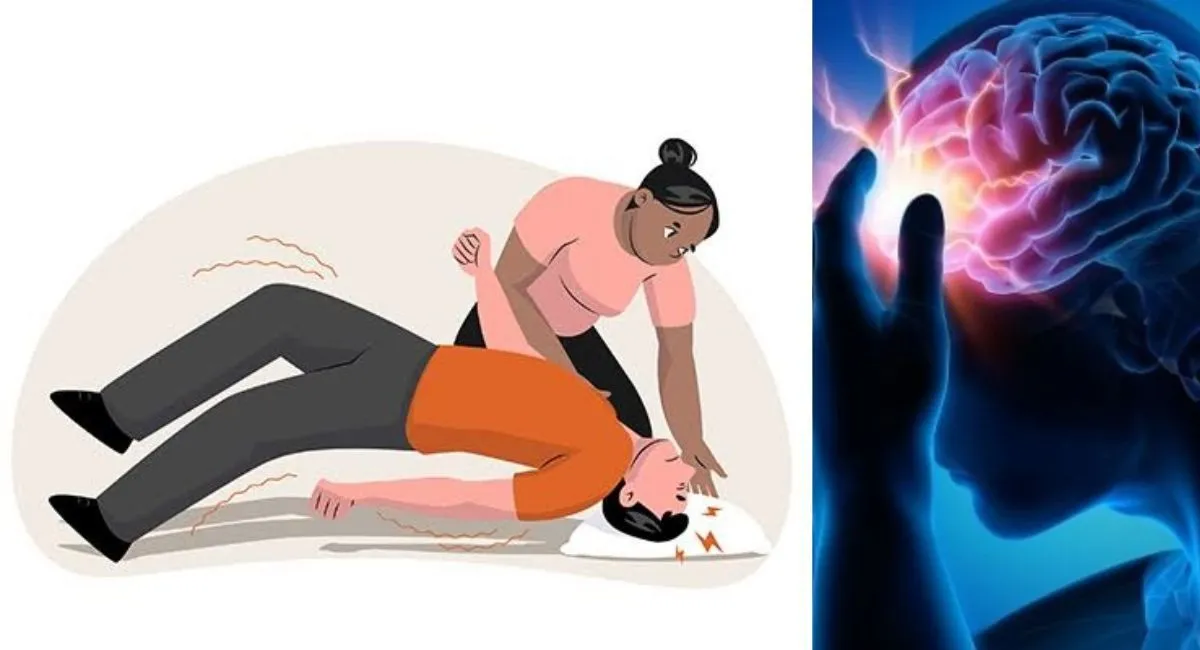
Mumbai: Epilepsy is often misunderstood, with myths surrounding seizures leading to fear, stigma and social isolation among people living with the condition. On National Epilepsy Day, observed on November 17, neurologists are urging people to replace misconceptions with awareness and learn how to respond safely when someone experiences a seizure.
Epilepsy is a neurological disorder characterised by recurrent, unprovoked seizures caused by abnormal electrical activity in the brain. However, a diagnosis does not mean a person cannot lead an active and fulfilling life. With timely diagnosis, appropriate medication and regular medical supervision, many people can effectively manage the condition.
Dr Akash Chheda, neurologist at Zynova Shalby Hospital, Ghatkopar, highlighted four common myths that continue to affect public understanding of epilepsy.
Myth 1: Epilepsy is contagious.
Fact: Epilepsy cannot spread through physical contact, sharing food or being around someone having a seizure. It is a neurological condition, not an infectious disease.
Myth 2: A person can swallow their tongue during a seizure.
Fact: This is false. Never put fingers, spoons or any object into the person's mouth. Instead, move nearby hazards, cushion their head and turn them gently onto their side when possible.
Myth 3: Every seizure involves violent shaking.
Fact: Seizures can also cause staring spells, confusion, unusual sensations or brief loss of awareness.
Myth 4: People with epilepsy cannot lead normal lives.
Fact: With appropriate treatment and follow-ups, many can study, work and participate in social activities.
“Epilepsy should not be a reason for discrimination or social isolation. Awareness of seizure first aid, timely medical care and support from families, schools and workplaces can help people living with the condition lead dignified and confident lives,” said Dr Chheda.
He stressed that prescribed medication should be taken regularly and medical advice followed. During a seizure, people should protect the individual from injury, avoid restraining them and never put anything in their mouth. If a seizure lasts five minutes or longer, or another seizure begins before the person recovers, emergency medical assistance should be sought.