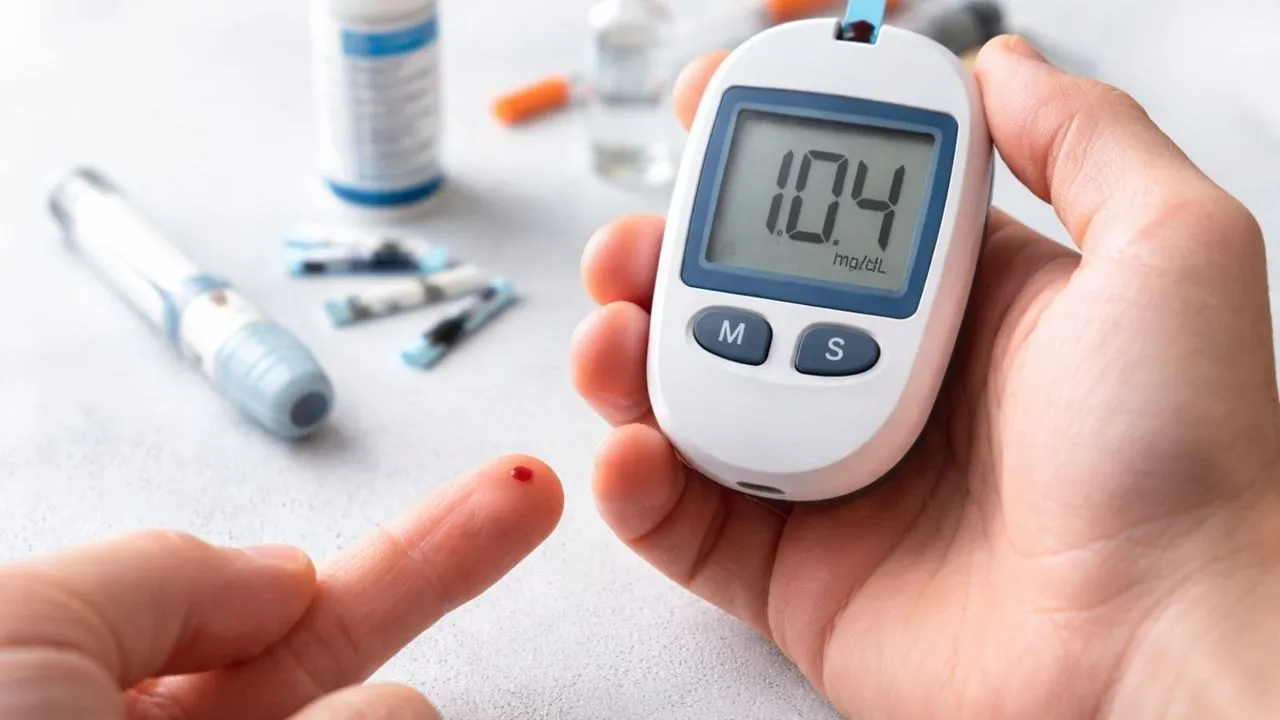
Scientists have developed a tiny electronic implant that uses electricity to lower blood sugar levels. The experimental device works differently from existing diabetes treatments. Instead of helping the body absorb glucose or controlling how it processes sugar, it converts excess glucose in the bloodstream into a substance that can be removed through urine. Researchers from ETH Zurich in Switzerland developed this which has shown promising results in experiments involving diabetic mice.
This implant can be used as a different approach to managing type 2 diabetes, particularly in people who also struggle with excess weight. In mice experiments, the device helped regulate blood sugar levels and was linked to weight loss. The findings were published in the journal Science and highlights how electronic technology could potentially change diabetes treatment. However, it is important to remember that the implant is still experimental and has not been tested in humans.
How Does The Electronic Implant Work?
The implant, developed by researchers led by Martin Fussenegger, Professor of Biotechnology and Bioengineering at ETH Zurich, uses a specially designed catalyst to remove excess glucose from the blood. The device contains a piece of graphite felt covered with tiny clusters of gold, which are coated with even smaller platinum particles. These materials work together to trigger a chemical reaction when electricity is supplied. Unlike some experimental biological treatments, the implant does not need living cells, enzymes or genetically modified components.
The implant also has an electronic controller enclosed in a 3D-printed casing. It receives power wirelessly, allowing it to function without a conventional wired power supply.
How Does Electricity Help Lower Blood Sugar?
The technology works by converting excess glucose into a substance called gluconate. Normally, glucose is used by the body to produce energy. However, when there is more glucose than the body needs, some of the excess can be stored as fat. The implant uses an electrical reaction to convert glucose into gluconate, which can then be removed from the body through urine by the kidneys.
This process is different from conventional diabetes treatments. Insulin helps cells absorb glucose from the bloodstream, but this implant is designed to convert some of the excess glucose into a substance that the body can eliminate. By removing some of the excess glucose instead of allowing it to be used or stored, the researchers believe the technology could also help reduce fat accumulation.
How Does The Implant Know When To Switch On?
One of the important features of the technology is its automatic monitoring and control system. It is designed to work with a continuous glucose monitoring (CGM) device that's similar to the sensors that people with diabetes commonly wear on their upper arms. Here is how the process works:
Monitors glucose levels: The glucose sensor continuously measures sugar levels in the body's tissue
Sends an alert: When glucose levels rise beyond the desired range, the sensor communicates with a smartphone or smartwatch through Bluetooth
Activates the implant: The connected device supplies the electrical energy needed to activate the implant's catalyst
Converts excess glucose: The catalyst converts glucose into gluconate, which can be eliminated through urine
Switches off automatically: Once glucose levels return to the desired range, the system stops supplying electricity to the implant
This is known as a closed-loop system because the device continuously responds to changes in glucose levels. The automatic switching mechanism is also intended to prevent blood sugar from dropping too low.
What Did The Study Find?
The researchers tested the technology in laboratory experiments and diabetic mice before assessing its potential for future medical use.
In one experiment, they used a reservoir containing five litres of a glucose-based nutrient solution. This volume is approximately equivalent to the amount of blood circulating in an adult human body. The experiment showed that the catalyst could convert glucose in a solution of this size. The team then tested the implant in mice with type 2 diabetes. The findings showed that the device helped restore glucose balance and also produced changes in the animals' metabolism.
The mice experienced weight loss and lower triglyceride levels. Their metabolism also shifted towards using more fat for energy. The researchers monitored the implant over six weeks and found that it continued to function. They also reported no detectable tissue damage due to electrical or thermal effects during the experiments.
These findings suggest that the device could potentially help address two related concerns: high blood sugar and excess body weight.
It is important to note that the implant has only been tested in laboratory settings and animals. While the findings are promising, it has not undergone human clinical trials, so its safety and effectiveness in humans are still unknown.
Disclaimer: This content including advice provides generic information only. It is in no way a substitute for a qualified medical opinion. Always consult a specialist or your own doctor for more information. NDTV does not claim responsibility for this information.