
News
Health News
Pneumonia is not just a winter cough: Doctor explains 8 things everyone should know about the lung infection, including early symptoms that resemble flu, people at higher risk, warning signs of falling oxygen levels, treatment options and vaccines that can help prevent severe illness
Pneumonia is not just a winter cough: Doctor explains 8 things everyone should know about the lung infection, including early symptoms that resemble flu, people at higher risk, warning signs of falling oxygen levels, treatment options and vaccines that can help prevent severe illness
1/ 11
Important things to know about pneumonia
Pneumonia is an infection of the lungs that can affect people of all ages. This can be a mild illness or a much more severe medical condition requiring hospitalisation. Pneumonia occurs when the lungs become inflamed due to an infection. The infection can make the small air pockets known as alveoli fill up with fluid or pus. This can cause problems getting enough oxygen into your body. Pneumonia can be mistaken for a common cold or seasonal flu. Knowing what causes pneumonia, how to spot the signs and what treatment is available can help you to avoid developing any complications.
(Author: Dr. Vinay D. MD FNB FRSPH, Senior Consultant Infectious Diseases, Adult Vaccinology and Travel Medicine, Apollo Hospital Bannerghatta Road, Bangalore)
2/ 11
Pneumonia can be caused by different microorganisms
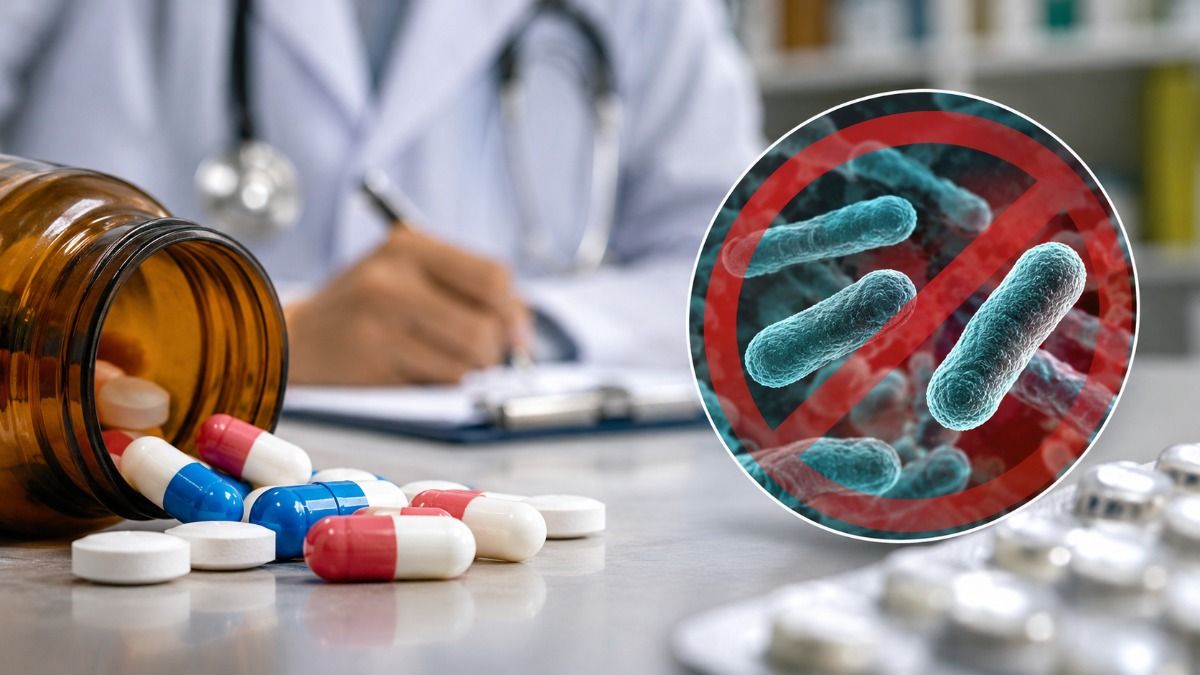
There are many different microorganisms that can cause pneumonia. Bacteria, viruses and fungi can cause a case of pneumonia. A common bacterium that can cause pneumonia is Streptococcus. Common viruses which can cause pneumonia include influenza and respiratory syncytial virus (RSV). Pneumonia caused by fungus is less common and more likely to affect those with a compromised immune system. Knowing what is likely to be causing your pneumonia can help you treat it. Bacterial infections are treated using antibiotics whereas viral infections are not.
Join conversation
Share your thoughts in the comments
Be respectful · TOI community guidelines
3/ 11
It can affect people of all age groups
Whilst pneumonia is commonly thought to affect elderly people, it can affect babies, children, young adults and otherwise healthy individuals. Certain people are more at risk of developing a severe infection including:
Children below five years of age.
Adults aged 65 years and above.
People with diabetes or long-term heart and lung conditions.
Those with compromised immune systemsAge and existing health conditions can affect how severe someone will be affected.
4/ 11
Early symptoms may resemble a common cold
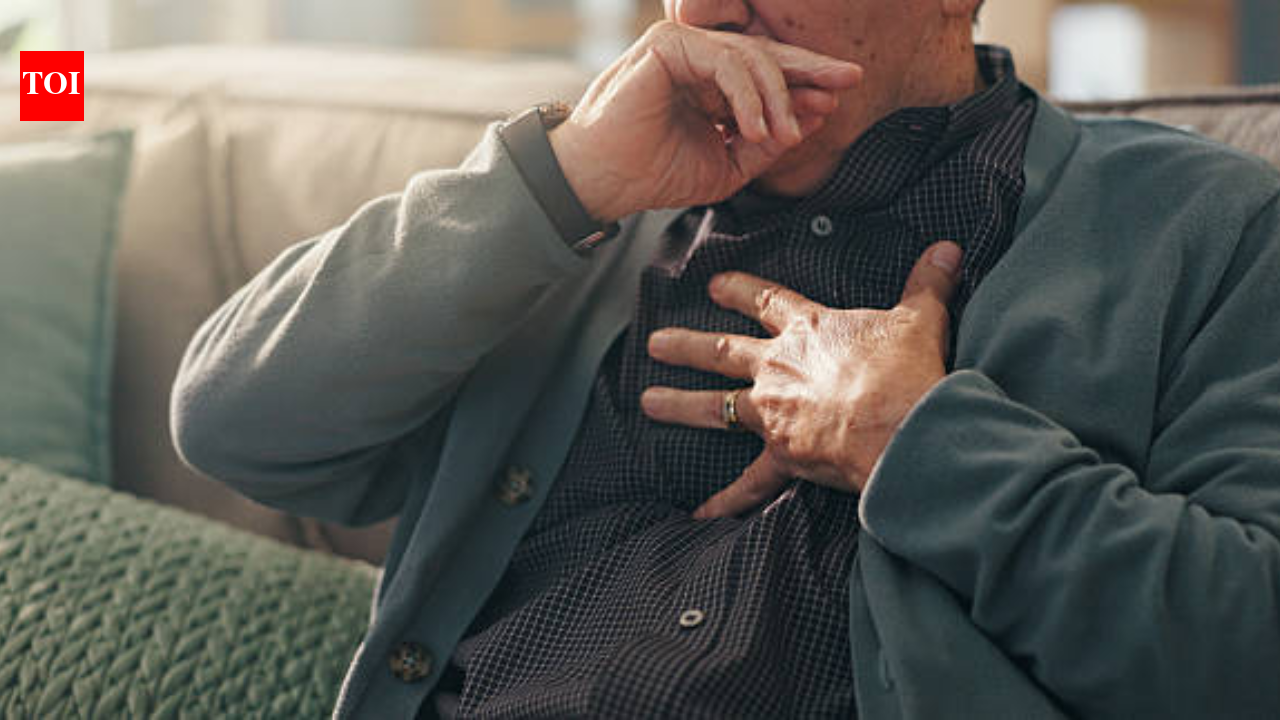
Pneumonia can be a tricky disease to identify as initially the symptoms can be similar to other common respiratory infections. You may notice early symptoms such as coughing, fever, shivering, tiredness and poor appetite. As a result of the infection getting worse, YOU may notice worsening symptoms including a continued cough with mucus, chest pain when breathing or coughing, fast breathing and shortness of breath. Some elderly patients may feel confused and extremely weak rather than having a high temperature. Any ongoing or worsening symptoms relating to your lungs should be referred to a doctor.
5/ 11
Pneumonia can affect oxygen levels
The alveoli within the lungs can fill with fluid or pus causing them to not function as well. This can lead to a reduction in the amount of oxygen within your blood. In severe cases this can happen quite significantly. Patients often feel short of breath, have fast breathing, blue lips/tips of fingers and extreme tiredness. Doctors may use a device called a poplex to check their oxygen levels. Sometimes further tests will be recommended. If they are struggling to breathe severely this SHOULD be treated immediately.
6/ 11
Certain medical conditions increase the risk
Patients with underlying health conditions often have a greater risk of developing a severe case. Conditions such as diabetes, COPD (chronic obstructive pulmonary disease), Asthma, heart disease and conditions which reduce immunity can make it harder for your body to fight off infections. Smoking and second-hand smoke can also impact the natural defences of your lungs. Controlling any underlying medical conditions, not smoking and keeping your lungs healthy can all help prevent pneumonia.
7/ 11
Early diagnosis helps prevent complications
Pneumonia can be diagnosed using a variety of methods including medical history, physical examination and investigations. When assessing your symptoms a doctor may carry out a lung exam. they may also advise you to have an x-ray and may test your oxygen saturation. blood tests may also be carried out, alongside sputum or other microbiology tests depending upon how unwell you are. this will help doctors determine the appropriate treatment to give you and ensure that those who are potentially at risk of complications are being monitored.
8/ 11
Treatment depends on the cause and severity
There is no one-size fits all treatment for different types of pneumonia. Bacterial pneumonia will typically require treatment with antibiotics. Some viral infections may require antiviral medication. Fungal infections will need specific anti-fungal treatment. If you are suffering from mild pneumonia your doctor may ask you to manage this at home. if you are suffering from a severe infection then you may need to be admitted into hospital. you may need oxygen and iv medication. it is important to follow your prescribed medication, don't self-medicate with antibiotics. Following the treatment advice and attending any follow up appointments will aid recovery.
9/ 11
Vaccination and healthy habits can help prevent pneumonia
Preventing is very important when trying to keep your respiratory system healthy. There are various vaccines available to help prevent certain infections that can cause pneumonia. These are particularly useful for children, elderly patients and those with underlying medical problems. Depending on your age and medical history your doctor may suggest pneumococcus, flu and other vaccines.
Additional preventive measures include:
• Washing hands regularly and maintaining respiratory hygiene.
• Avoiding smoking and second-hand smoke.
• Eat a balanced diet and ensure YOU are getting enough nutrition.
• Managing diabetes and other long-term conditions.
• Staying up to date with recommended vaccinations.
10/ 11
When should you consult a doctor?
Consult a doctor if you experience persistent fever, cough, chest discomfort or breathlessness, especially if symptoms worsen. People with weakened immunity or underlying medical conditions should seek medical advice early. Severe difficulty breathing, bluish lips, sudden confusion or reduced responsiveness requires emergency medical attention.
11/ 11
The importance of awareness
Pneumonia can be a serious illness but with early recognition, correct diagnosis and appropriate treatment your outcome can be greatly improved. Knowing the symptoms and risk factors will allow you to act quickly. Ensuring that YOU are doing everything possible to look after your lungs such as having vaccines, healthy lifestyle choices and regular medical management is key.
Follow Us On Social Media
Featured In Health