
New Delhi: As GLP-1-based therapies gain traction in the management of diabetes and obesity, endocrinologists are increasingly looking beyond the numbers on the weighing scale to assess whether patients are actually becoming healthier. For Indian patients, the challenge is particularly relevant because lower muscle mass, higher body fat, nutritional deficiencies and metabolic complications at relatively lower BMI levels can complicate treatment outcomes.
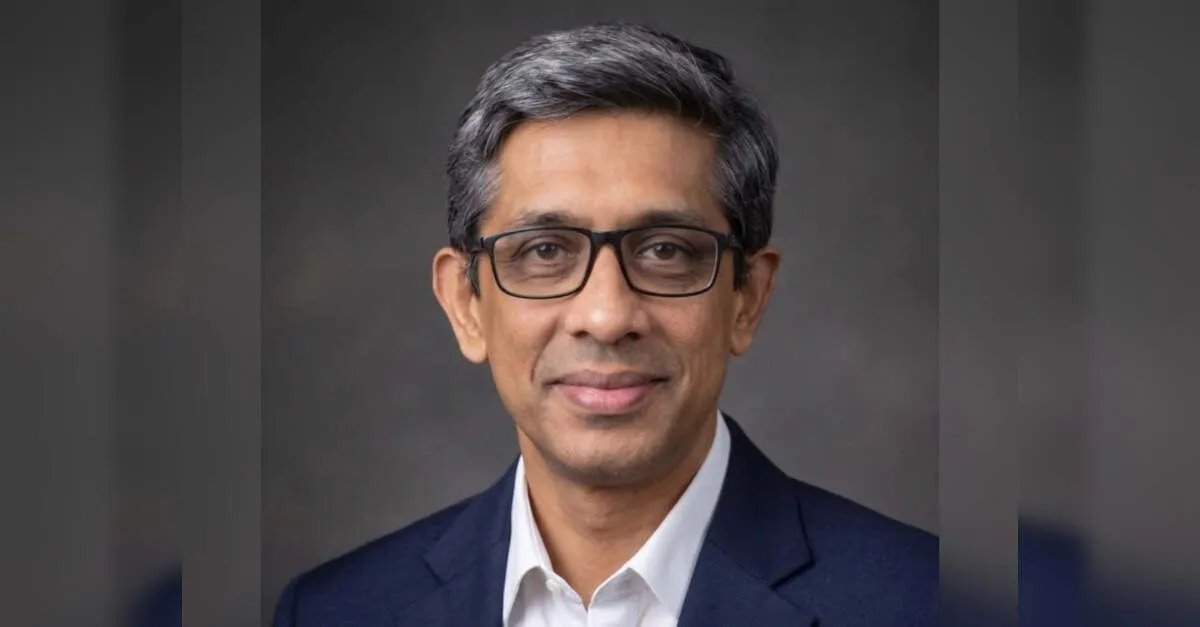
Dr Shashank R. Joshi, Department of Diabetology and Endocrinology, Lilavati Hospital and Research Centre, in an exclusive interaction with ETHealthworld's Prathiba Raju says GLP-1 drugs should not be viewed as cosmetic weight-loss medications. These are powerful anti-diabetic therapies with clinical outcome data supporting their role in reducing complications associated with diabetes and obesity, including cardiovascular, kidney and liver disease.
Advt
The scale of India's metabolic disease burden makes appropriate prescribing critical. As the ICMR-INDIAB study, 101 million people living with diabetes and 136 million with pre-diabetes. Dr Joshi emphasises that the problem extends beyond urban and affluent populations, with many people remaining unaware of their metabolic condition.
"These medications need to be prescribed under medical supervision and integrated with lifestyle interventions from day one. They are not common weight-loss pills. Nutrition, hydration and strength-training exercises must be part of the treatment," he says.
The 'thin-fat' Indian phenotype calls for a different treatment approach
One of the key considerations, according to Joshi, is the distinct body composition of Indian patients. He describes this as the "thin-fat Indian phenotype", where individuals may appear relatively lean but carry higher levels of body fat and have lower muscle mass.
Indians also tend to develop diabetes and metabolic complications at younger ages and at lower BMI levels than several Western populations. Dietary patterns, relatively low protein consumption, micronutrient deficiencies and increasingly sedentary lifestyles further complicate the picture.
"We cannot simply cut and paste American protocols for Indians. Our food habits, physical activity, body phenotype and nutritional requirements are different," he says.
Advt
He argues that an India-specific approach is necessary, particularly because dietary habits vary considerably across regions, with irregular meal timings and relatively low protein intake being common concerns.
Nutritional assessment should precede prescribing
Appetite suppression is another area requiring closer clinical attention. As GLP-1 therapies reduce food intake, patients who already have inadequate nutritional reserves could be at risk of further nutritional deficiencies.
Joshi says nutritional assessment and evaluation of body composition should become integral to treatment initiation. This should include assessing bone mineral density, muscle mass, fat mass and hydration, alongside simple functional measures such as handgrip strength and the ability to rise from a chair.
Advt
When calorie intake falls substantially, the nutritional quality of the remaining diet becomes particularly important.
For instance, if a patient's daily calorie intake falls from 2,000 to 1,200 calories, clinicians must ensure that the reduced intake still provides adequate macronutrients and micronutrients.
"It is not enough to prescribe a drug. We need to assess bone mineral density, muscle mass, fat mass and hydration," he says.
Nutrition, hydration and strength training, therefore, need to be incorporated from the beginning rather than introduced only after patients experience nutritional or muscular complications.
Muscle loss does not necessarily mean functional decline
The relationship between lean mass reduction and muscle function is another important consideration in assessing GLP-1 treatment outcomes.
Joshi points to research highlighting that a decline in lean muscle mass during treatment does not necessarily translate into reduced muscle strength. He refers to a published paper in which he and Dr Samajdar highlighted improvements in handgrip strength despite a reduction in muscle mass.
One possible explanation is the reduction of ectopic fat, including fat deposited within muscles. Indians also tend to accumulate excess fat in organs such as the liver, pancreas and muscles.
This distinction, he says, makes it important for clinicians to assess muscle function alongside body composition rather than interpreting changes in lean mass in isolation.
BMI alone is insufficient for evaluating patients. Waist circumference, waist-to-height ratio, muscle mass and grip strength should also inform clinical assessment.
Weight loss is not the same as health gain
The broader concern is whether treatment success is being judged too narrowly through kilograms lost.
Dr Joshi argues that appropriately prescribed GLP-1 therapies, when combined with lifestyle interventions, can improve overall health. However, the assessment of outcomes must extend beyond changes in body weight.
He advocates monitoring fat loss, preservation of muscle strength, hydration, body composition and improvements in metabolic health.
"Health gain is a comprehensive concept. It is not simply about losing kilograms," he says, adding that organ protection and overall well-being should also form part of the assessment.
This becomes particularly relevant for older adults and postmenopausal women, for whom bone health may require additional attention.
According to Dr Joshi, routine monitoring should extend beyond weight, blood glucose and HbA1c to include bone mineral density, lipid profile, waist circumference, waist-to-height ratio, microalbumin in urine and liver fat.
He sees this as a shift towards metabolic clinics rather than facilities focused exclusively on weight reduction.
The objective, he says, should be to improve cardiometabolic health and protect the heart, kidneys, liver and muscles.
Treatment may be long term, but discontinuation needs planning
The question of treatment duration is equally important, particularly given the possibility of weight regain after GLP-1 therapy is stopped.
Dr Joshi acknowledges that treatment may be interrupted because of affordability, availability or poor adherence. Integrating nutrition and lifestyle interventions into treatment from the outset can help patients maintain healthier habits even when medication is interrupted.
Some patients may require maintenance treatment, while others may follow de-escalation protocols depending on their clinical condition and treatment goals. There is no single duration that applies to everyone.
"Sudden discontinuation is not recommended. We have de-escalation and maintenance protocols, and lifestyle interventions remain the foundation during the maintenance phase," he says.
He also acknowledges that patients who discontinue treatment can experience weight rebound. Nutrition and exercise have an important role in mitigating this, although some may need continued pharmacological support.
From drug prescription to multidisciplinary care
For Dr Joshi, the next step in India's GLP-1 treatment landscape is building a comprehensive clinical framework that brings together endocrinologists, nutrition professionals and other healthcare providers.
The expert consensus aims to strengthen clinicians' ability to establish integrated care teams and ensure that patients receive counselling, medical supervision and structured diet and physical activity protocols.
Hospitals are beginning to explore this approach, although the experience with these therapies in Indian populations is still relatively recent. Greater clinical experience and research will be needed to understand their long-term implications.
Dr Joshi describes GLP-1 medicines as organ-protective therapies that can influence cardiovascular, kidney and liver health, in addition to improving metabolic outcomes.
But their benefits depend on appropriate patient selection, medical supervision and sustained lifestyle interventions.
His central argument is that India's approach to GLP-1 therapy must move beyond prescribing medicines for weight reduction. Nutritional adequacy, muscle preservation, bone health, physical function and long-term metabolic outcomes must become part of the treatment conversation.
The measure of success, ultimately, should not be how much weight a patient loses, but how much metabolic and functional health the patient gains.
By ,
ETHealthWorld
Join the community of 2M+ industry professionals.
Subscribe to Newsletter to get latest insights & analysis in your inbox.
All about ETHealthworld industry right on your smartphone!
Download the ETHealthworld App and get the Realtime updates and Save your favourite articles.