
Last Updated:November 19, 2026, 15:02 IST
According to defence sources, the understanding is expected to be agreed upon following the India-Japan Defence Ministers’ Dialogue in Tokyo
India and Japan are expected to take a significant step towards deepening their defence partnership, with the two countries likely to finalise arrangements allowing Tokyo to use Indian missile testing ranges for trials of its long-range weapons.
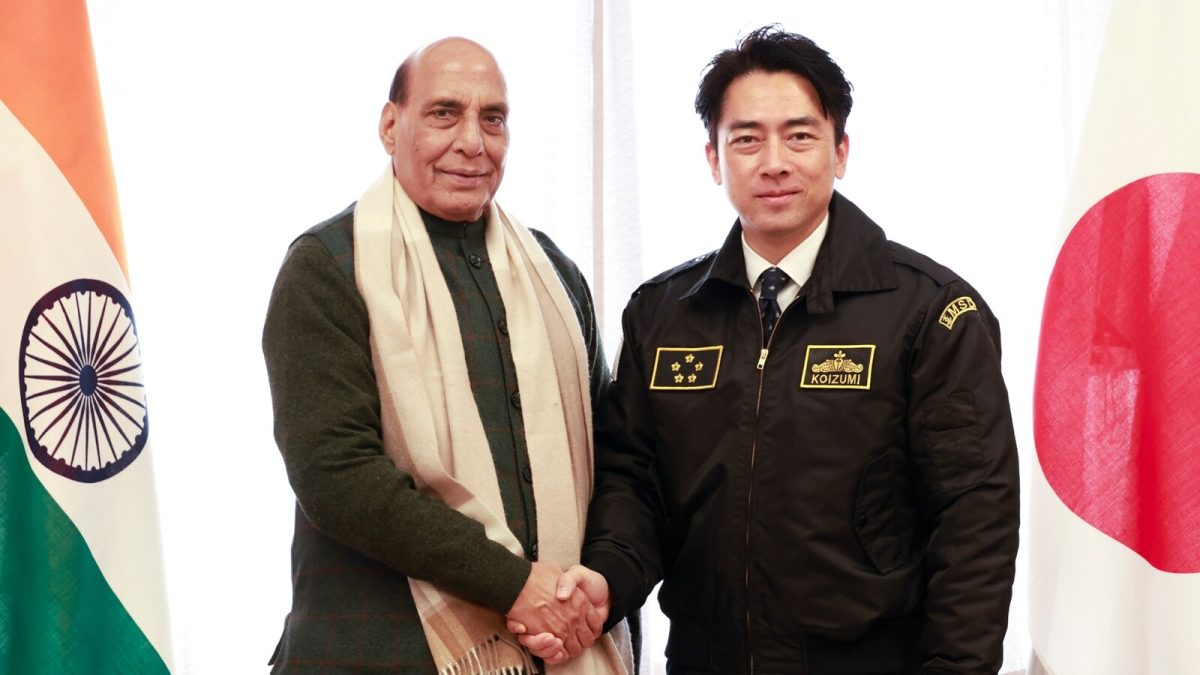
According to defence sources, the understanding is expected to be agreed upon following the India-Japan Defence Ministers’ Dialogue in Tokyo later today, during Defence Minister Rajnath Singh’s ongoing visit to Japan.
Read More: Warships, Weapons, Indo-Pacific In Focus: Rajnath Singh Reaches Tokyo For India-Japan 2+2 Talks
The proposed arrangement would mark an important expansion of military and defence technology cooperation between the two countries, particularly at a time when security dynamics in the Indo-Pacific region are undergoing significant changes.
The proposed cooperation comes amid growing strategic convergence between New Delhi and Tokyo, with both countries seeking to strengthen their defence capabilities and maintain stability in the Indo-Pacific.
The fourth India-Japan 2+2 Foreign and Defence Ministers’ Dialogue is being co-chaired by Rajnath Singh and External Affairs Minister S Jaishankar, along with their Japanese counterparts, Defence Minister Shinjiro Koizumi and Foreign Minister Toshimitsu Motegi. The meeting is expected to review the entire spectrum of bilateral defence and strategic cooperation, including military exercises, defence technology and industrial partnerships.
Missile testing cooperation is emerging as an important element of the discussions. Japan has been exploring the possibility of using Indian facilities for live-fire exercises involving anti-ship missiles and for drone operations training. Japanese Self-Defence Forces teams have reportedly visited Indian facilities to assess their suitability for such activities.
The proposed access to Indian testing ranges could offer Japan additional opportunities to conduct weapons trials while opening up a new avenue for defence cooperation between the two countries.
The discussions are also taking place amid efforts to expand cooperation in naval capabilities. During his visit, Singh inspected Japan’s Mogami-class stealth frigate, JS Natori, at the Yokosuka naval base. Japan has reportedly offered India the design and production rights for the frigate, with the possibility of local manufacturing under the Make in India initiative. Such cooperation could strengthen India’s domestic shipbuilding ecosystem while facilitating technology transfer.
Beyond military hardware, the two countries are looking to enhance coordination across their armed forces, expand the scale and complexity of joint exercises and explore opportunities for co-development and co-production of defence equipment.
For India, closer defence engagement with Japan is significant given their shared interest in a free, open and rules-based Indo-Pacific. Both countries are also members of the Quad, alongside the United States and Australia, and have consistently emphasised maritime security and regional stability.