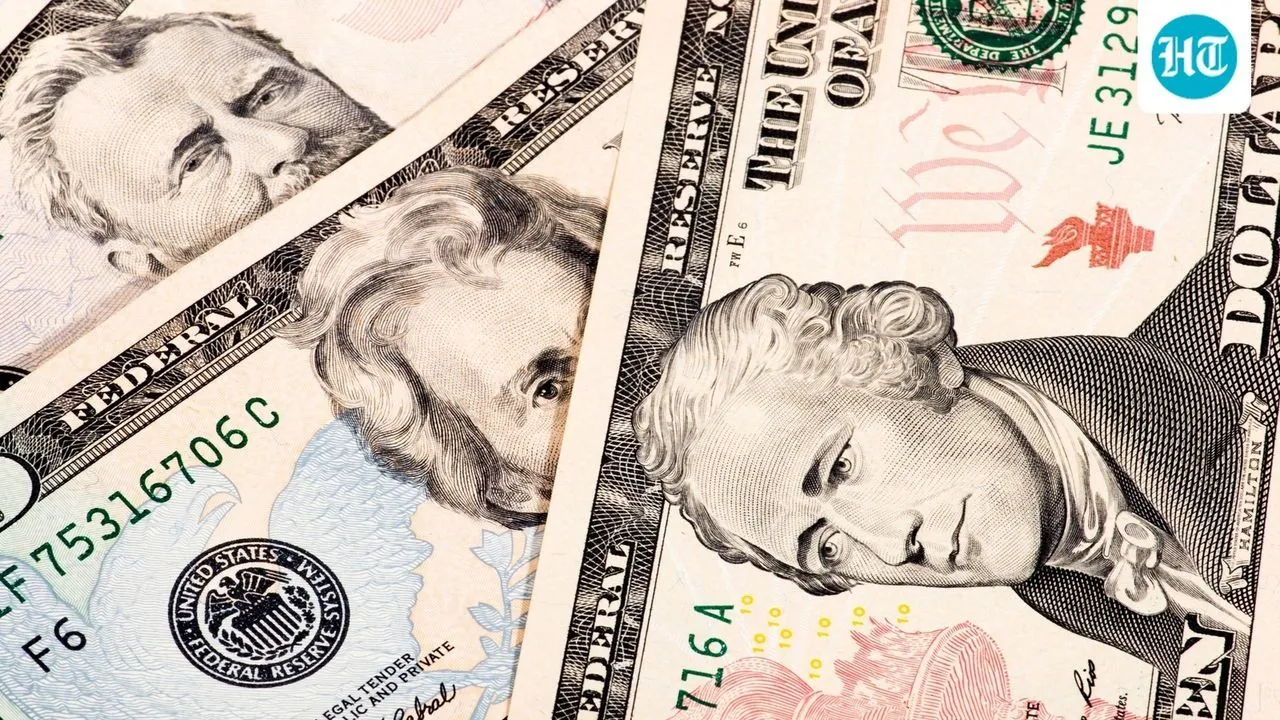
The US government is offering a reward of up to $20 million and possible relocation for information about Iran’s nuclear program. This includes information on its facilities, equipment, scientific personnel and the movement of materials linked to nuclear activities. The United States Central Command (CENTCOM) also shared the news of this reward on X on November 6.
The offer has been published by the State Department’s Rewards for Justice program, which is seeking information on Iran’s nuclear infrastructure and individuals associated with it. The program is also encouraging people with relevant information to submit tips through its reporting channels.
According to the official Rewards for Justice website, the reward covers information about Iran’s nuclear program, including its facilities, equipment and associated personnel, particularly those in the scientific community, as well as movements involving these assets.
Also Read: SpaceX director resigns from board one day after US elections
The offer comes amid continued international concerns about Iran’s uranium enrichment activities and the monitoring of its nuclear program by the International Atomic Energy Agency (IAEA).
US cites Iran’s uranium enrichment levels
The Rewards for Justice notice cites the IAEA’s 2025 reporting that Iran was enriching uranium to 60% purity, a level significantly above the enrichment required for most civilian nuclear applications and close to weapons-grade uranium, which is generally enriched to around 90%.
The program notes that Iran is the only non-nuclear-weapon state producing uranium at such a high enrichment level.
It also states that experts estimate the quantity of uranium enriched to this level, if further enriched, could be sufficient for several nuclear weapons.
Also Read: US adds 165,000 jobs in October as Trump administration intensifies fraud, corruption crackdown
IAEA monitoring concerns cited
The US notice also highlights concerns over Iran’s compliance with its safeguards obligations to the IAEA.
According to the Rewards for Justice program, Iran’s lack of compliance has resulted in the agency losing what it describes as “continuity of knowledge” concerning the country’s production and inventory of key nuclear components, including centrifuges.
Centrifuges are used to enrich uranium and are central to Iran’s nuclear program.
The reward offer specifically seeks information that could help identify nuclear facilities, equipment, personnel and related movements.
Rewards for Justice said individuals with relevant information could submit tips through its official reporting system. The program also lists possible relocation among the incentives available to informants.
Earlier US reward offers targeted Iran-linked networks
The US has previously offered financial rewards for information about Iran-linked activities. In 2019, the State Department announced a reward of up to $15 million for information that could disrupt the financial networks of Iran's Islamic Revolutionary Guard Corps (IRGC), including its Qods Force. The campaign covered alleged illicit oil sales, front companies and sanctions evasion, according to the Rewards for Justice notice reproduced by Iran Watch.
In 2024, Washington offered up to $20 million for information leading to the arrest or conviction of IRGC member Shahram Poursafi, who was accused of plotting to kill former US national security adviser John Bolton. The official reward notice said he allegedly attempted to hire people in the US to carry out the killing.
Trump claimed US strikes destroyed Iran's nuclear sites
The latest offer also follows Trump's claims about the impact of US strikes on Iran's nuclear infrastructure. On June 21, 2025, American forces struck the Fordow, Natanz and Isfahan facilities in an operation named Midnight Hammer. Trump said the sites had been "completely and totally obliterated" in his address to the nation.
However, a preliminary US intelligence assessment reported that the strikes damaged the facilities and set back Iran's program by months, rather than eliminating it. The IAEA and nuclear experts have also raised questions about the location of Iran's enriched uranium stockpile, which could not be fully accounted for after the attacks.