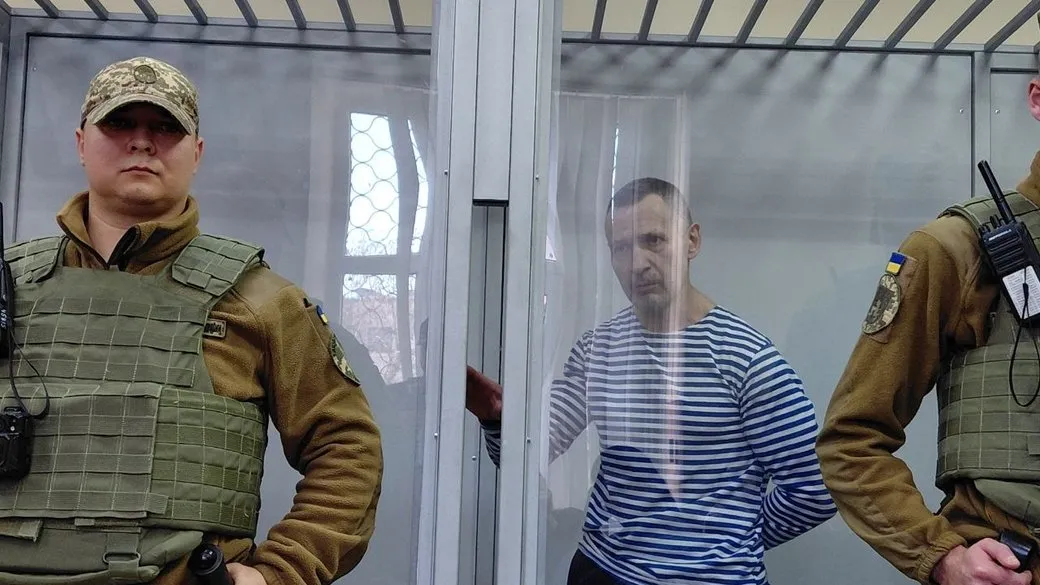

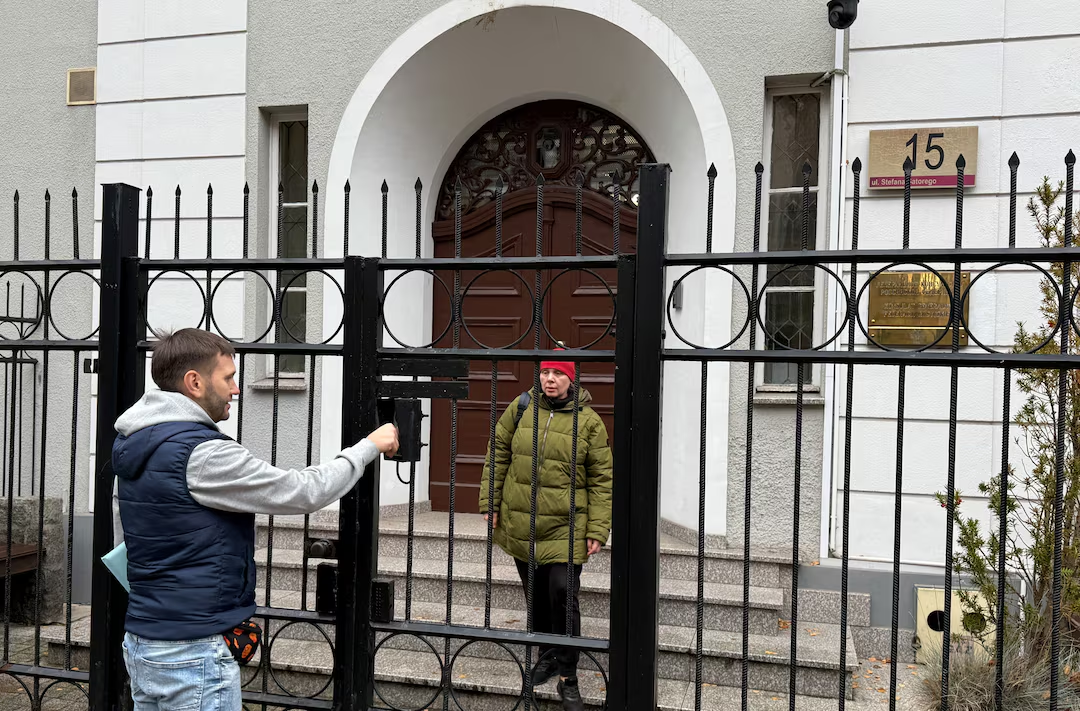
According to the Polish newspaper Rzeczpospolita, which cites sources in the security services, Russian military intelligence was preparing a provocation near Poland’s border with Russia’s Kaliningrad region in late October and early November 2026. The newspaper reports that the plan called for causing mass casualties and attempting to pin the blame on Ukraine.
The political aim may have been not to convince Warsaw that Kyiv was responsible, but to sow doubt at the very moment the Polish authorities would have to act. If people had been killed, the public would have demanded an immediate explanation, yet verifying the evidence would have taken time. Even if the allegations were later disproved, one question might still have shaped the debate in Poland: does supporting Ukraine put Poles themselves at risk? For Moscow, shifting public perceptions of that support from a contribution to Poland’s security to an apparent threat to it may have mattered more than any short-lived impact on the news cycle.
For Ukraine, the most likely immediate risk would have been disruption to deliveries rather than an abrupt end to Polish aid. Poland not only supplies weapons but also serves as a transit route for aid from other partners. Additional checks or delays in decision-making in Warsaw could therefore have affected shipments from other countries even without a change in the Polish government’s official policy. The claim that a single incident would inevitably have caused a rift between the allies underestimates Poland’s own interest in Ukraine’s ability to hold Russia in check.