

According to The Jerusalem Post, pilots of US B-2 strategic bombers described details of the US strike on Iran's nuclear facilities carried out in June 2025 as part of Operation Midnight Hammer. Six aircraft attacked the underground facility at Fordow, while a seventh was directed to Natanz. The crews' total flight time was about 37 hours.
The pilots' accounts were published by the US military journal Air & Space Forces Magazine. The names of mission participants were replaced with pseudonyms for security reasons. After 18 hours in the air, one crew saw the lights of Tehran before approaching the target at Fordow.
The plan was changed before takeoff
According to the publication, planning for a strike on the Fordow facility began in 2009, when US intelligence detected suspicious construction in the mountains southwest of Tehran. The operation used GBU-57 aerial bombs, each weighing 30,000 pounds and designed to strike deeply buried fortified targets. The B-2 was described as the only aircraft capable of carrying such weapons.
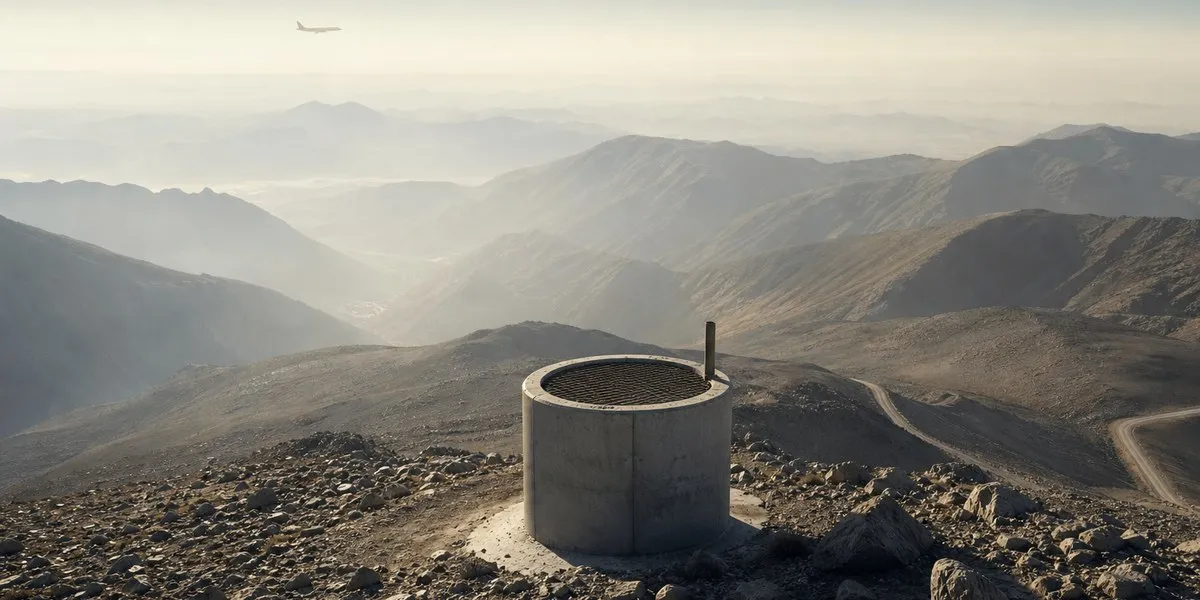
US planners intended to strike through the ventilation shafts of the underground complex. However, on the eve of the attack, they determined that Iran had attempted to fill the shafts with concrete. As a result, the bombing sequence was revised: the first aircraft was to destroy the concrete layer, and the following ones were to strike the underground infrastructure. The final plan, according to the investigation, was approved 16 hours before the mission began.
More current news is available on the UA.News Telegram channel Telegram.
Decoy maneuver and refueling
To conceal the departure of seven B-2s from Whiteman Air Force Base in Missouri, the United States sent additional bombers into the air, which demonstratively flew west. This led to assumptions that the aircraft were heading to Guam or Diego Garcia base. Instead, the strike group departed east unnoticed, crossed the Atlantic Ocean, and then flew through the Mediterranean Sea.
About 125 aircraft were involved in the mission, including F-22 and F-35 fighter jets, strike aircraft, and aerial refueling tankers. B-2 crews rested in short 30-to-45-minute intervals in cramped cockpits. The pilots also said that Israeli strikes on Iranian air defense systems, launched on June 13 as part of Operation Rising Lion, reduced threats to US aircraft.
At 2:10 a.m. Iranian time, the attack on Fordow began. According to the publication, the aircraft dropped a total of 14 bunker-buster bombs weighing about 190 tonnes, while submarines also struck the nuclear facility in Isfahan with Tomahawk missiles. Assessments of the consequences indicate significant destruction of Iran's capability to enrich nuclear materials to weapons-grade level, but the exact extent of the damage has still not been established.
Read us on