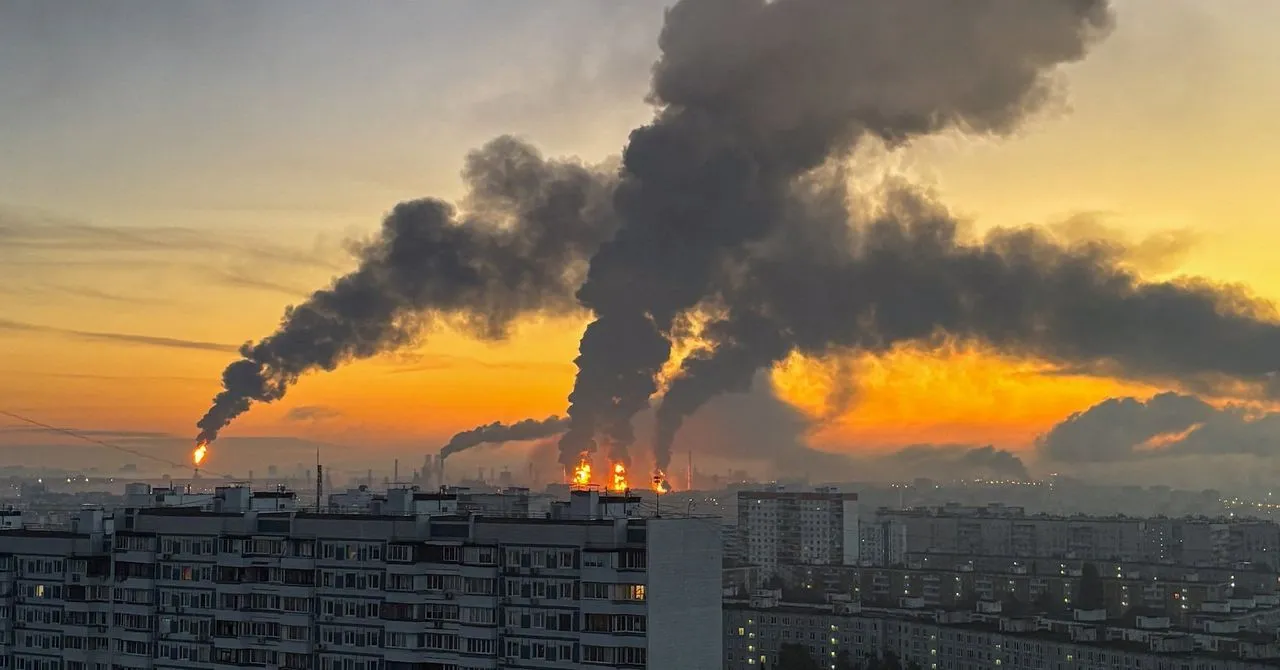
Nov 18 (Reuters) - Ukrainian drone attacks have slashed Russian oil refineries' combined crude processing volumes by 45% since late October, according to estimates from two industry sources, as Kyiv ramps up strikes on energy infrastructure.
Russia is already facing domestic fuel shortages in some regions and restricted export capacity due to crippling Ukrainian strikes on ports. Reduced refining could also tighten global fuel markets and hamper Russia's ability to deliver on a deal to export diesel to the United States.
Sign up here.
The attacks now have disrupted or halted operations at 15 of Russia's 35 major refineries, the two people said, up from 9 in the middle of last week.
Russia's energy ministry did not respond to a Reuters request for comment.
MOSCOW AND KYIV RAMPING UP STRIKES ON ENERGY TARGETS
US President Donald Trump announced an energy ceasefire between Russia and Ukraine on October 11. Though neither Moscow nor Kyiv acknowledged agreeing to it and attacks continued, Ukrainian strikes did ease for roughly two weeks.
The war has since intensified, however, with Ukrainian drone attacks increasing in scale and frequency as Russia ramps up its own drone and missile strikes.
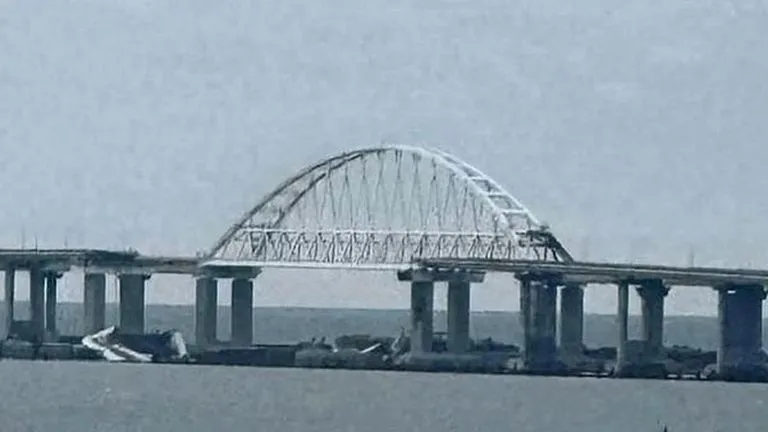
Ukraine hit a strategically important bridge and targeted oil refineries this week in what Russian defence ministry data showed on Monday was the biggest overnight drone attack on Russia since the start of the war in 2022.
Following near-daily drone strikes over the last 20 days, crude processing volumes at Russian refineries have fallen to around 400,000 metric tons per day, or around 3 million barrels per day, from over 700,000 metric tons per day at the end of October, the estimates showed.
The combined nominal capacity of Russian refineries affected by the attacks since late October stands at around 500,000 tons per day, equivalent to approximately 54% of the country's total primary refining capacity of an estimated 930,000 tons per day.
However, the sources said that, given the gradual reduction in operating capacity, average crude processing volumes in November remain above 500,000 tons per day, about 5% to 10% below September and October levels.
Major Russian refineries affected by the attacks include plants in Ryazan, Yaroslavl, Kirishi and the Volga region, the people said.
Reporting by Reuters; Editing by Joe Bavier