Iran's health ministry has denied reports about iodine distribution near its nuclear facilities. Hossein Kermanpour, head of the ministry's Public Relations and Information Centre, posted the rebuttal on X after several outlets carried the report attributing it to The Times. The UK daily based the report on an unidentified official of Iran's health ministry who confirmed the distribution of iodine tablets, adding that it is being done "within two-to-three-kilometre radius of nuclear facilities" amid fears of renewed US attacks in the country.
"No Ministry of Health official has spoken to The Times, and the quote attributed to the ministry is false. The health system is prepared for various scenarios and threats from an enemy that does not even spare children," Kermanpour said in the X post.
"Of course, declaring a state of war is not within the Ministry of Health's authority, and publishing unverified reports under these circumstances is irresponsible," he further said.
Iodine does not directly protect from a nuclear blast or general radiation exposure, as they only block the thyroid gland from absorbing radioactive iodine.
They only reduce the long-term risk of thyroid cancer and are primarily beneficial for infants, children and pregnant or breastfeeding women.
No US Strike Planned
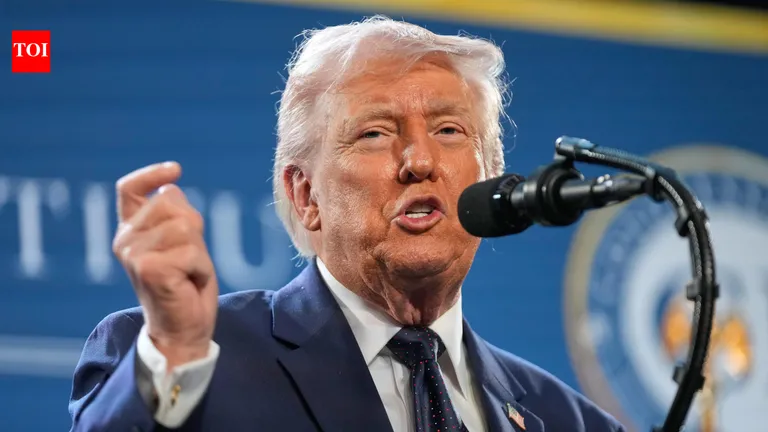
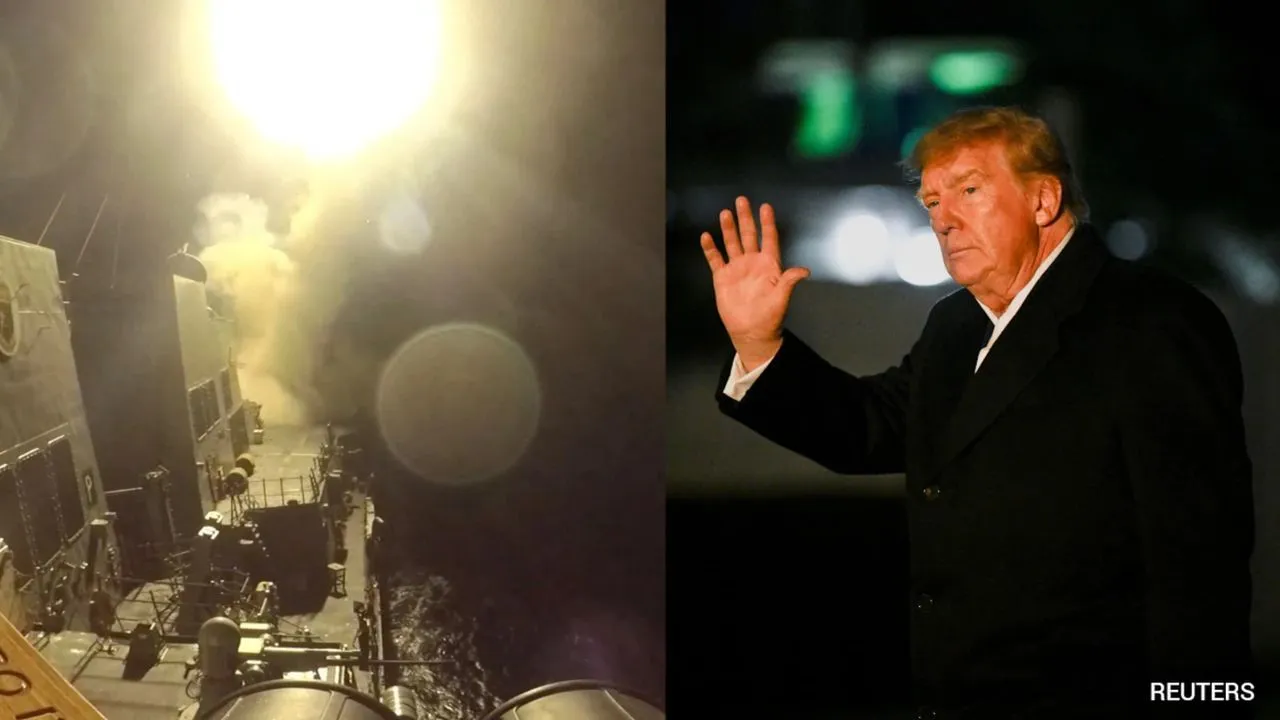
US President Donald Trump told reporters on Monday that military action against Iran did not currently seem necessary.
"At this point ... taking the military action doesn't seem to be a very necessary thing. But we're locked and loaded, ready to go for any reason that changes," he said.
"I think it's going to be ending fairly soon," he said, referring to the conflict against Tehran.
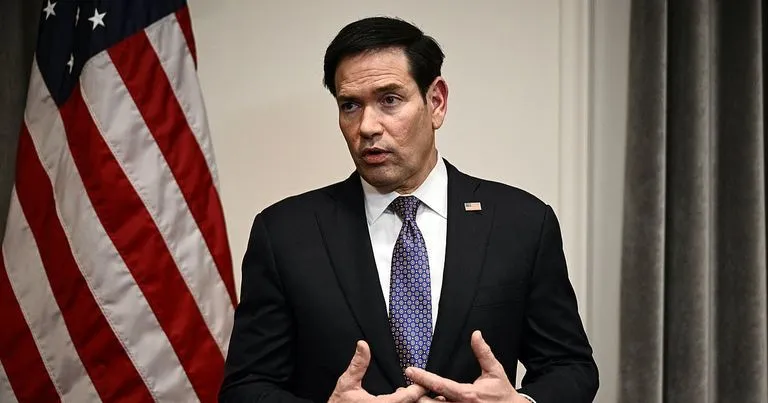
A day later, US Secretary of State Marco Rubio said in Paris that the US economic sanctions and naval blockade are working so well that President Donald Trump does not need to conduct major combat operations against Iran.
The remarks came days after Trump's Republican Party suffered a setback in the US midterm elections in which voters showed they are weary of the eight-month-long conflict and the painfully higher fuel prices.
Some Gulf governments now believe Trump has more reason than ever to seek a peace deal and that another full-scale assault on Iran is less likely after the midterms, reported Reuters.
But Trump's electoral drubbing may also embolden Iran.