Last Updated:November 17, 2026, 01:41 IST
The proposed overhaul would prevent companies from seeking PERM certification for foreign workers within two years of laying off American employees in comparable positions.
The US Labor Department has proposed stricter rules for a green card programme used by American companies to hire skilled foreign workers, marking another step by the Donald Trump administration to tighten legal immigration.
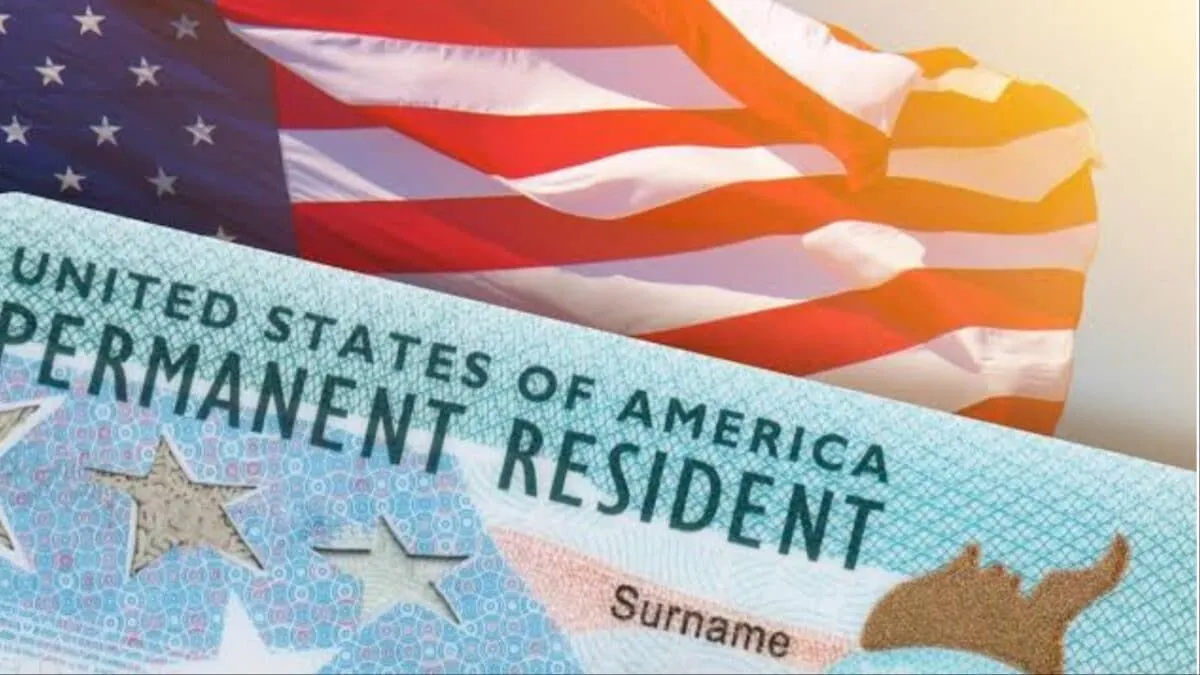
The proposed changes target the Permanent Labor Certification (PERM) programme, which allows employers, particularly technology companies and outsourcing firms, to sponsor foreign employees for employment-based green cards.
The programme enables workers to move from temporary employment status to permanent residency in the US, Reuters reported.
Hiring Restrictions After Layoffs
Under existing rules, employers must establish that qualified and available American workers cannot be found for a particular position. They must also demonstrate that hiring a foreign national will not adversely affect the wages and working conditions of US employees in similar roles.
The proposed overhaul would expand these requirements to occupations previously exempted because of labour shortages, including professional nursing and positions for scientists with “exceptional ability".
Employers would also have to update their recruitment practices to reach a wider pool of American candidates. This could include using online job advertisements instead of relying on traditional print notices.
Another key provision would prevent companies from seeking PERM certification for foreign workers within two years of laying off American employees in comparable positions.
The move follows restrictions introduced in October, when the US government prevented several major technology companies, including Adobe and Microsoft, from using the programme. Microsoft was the largest filer of permanent labour applications under PERM, according to Labour Department data.
The proposed regulation is scheduled to appear in the Federal Register on Tuesday. It will undergo a 60-day public consultation period before any final decision is taken on its implementation.