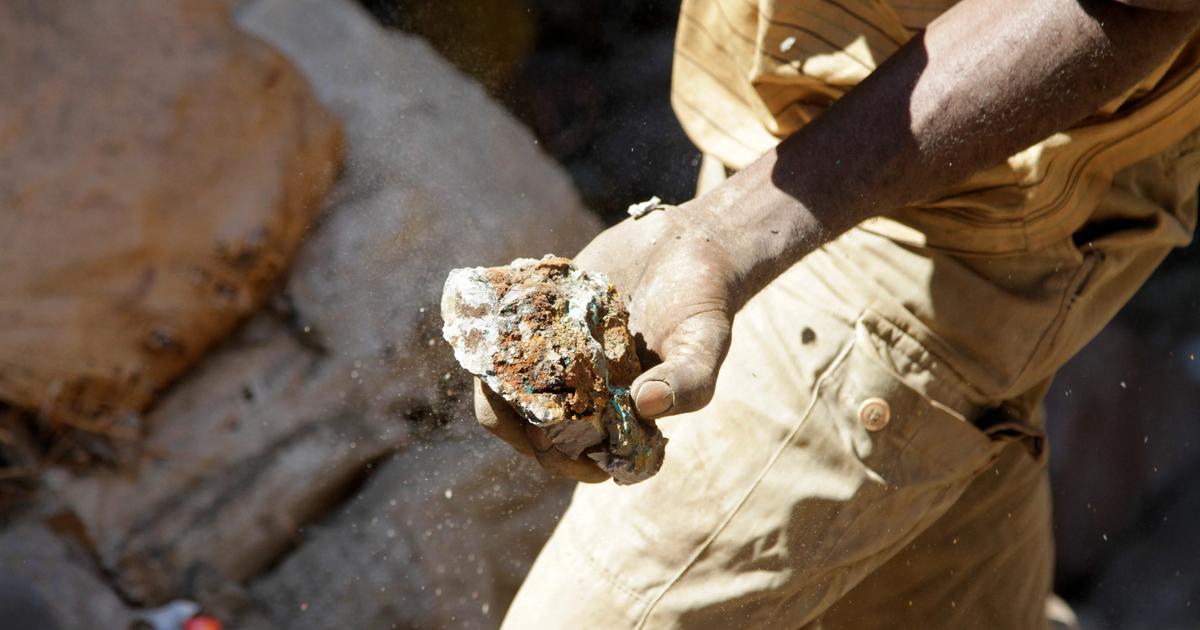

Zambia has made a compelling call for enhanced partnerships between African and Nordic countries to promote investment, value addition, technology transfer, and industrial development in the critical minerals sector. This initiative aims to move beyond the traditional extraction and export of raw materials, fostering deeper economic and industrial ties.
This important call was made by Ms. Etambuyu Anamela Gundersen, Permanent Secretary for International Relations and Cooperation at the Ministry of Foreign Affairs and International Cooperation, during a Roundtable Discussion on Sustainable Critical-Mineral Value Chains. The discussion took place on the sidelines of the Nordic-African Foreign Ministers Meeting in Oslo, Norway. Ms. Gundersen represented Hon. Mulambo Haimbe, S.C., M.P., Minister of Foreign Affairs and International Cooperation, at this meeting.
The roundtable, co-chaired by Zambia and Finland, included notable figures such as Mining Finland’s CEO, Mr. Aleksi Salo, and Dr. Asko Käpyaho, Head of Unit, Mineral Economy Solutions at the Geological Survey of Finland. The event brought together Foreign Ministers from Tanzania, Malawi, Ghana, and the Democratic Republic of the Congo, alongside other key stakeholders, to explore opportunities for mutually beneficial cooperation between Africa and the Nordic region.
Ms. Gundersen highlighted the significant opportunity presented by the growing global demand for critical minerals, which is driven by the green energy transition, digitalisation, and advanced manufacturing. She advocated for strategic partnerships between Africa and the Nordic countries, focusing on shared value creation.
Under President Hakainde Hichilema’s leadership, the Zambian government is implementing the Grow Zambia Agenda. This agenda prioritizes increased production, productivity, value addition, exports, industrialization, and employment through strategic partnerships and private sector-led growth. Zambia is positioning itself as a competitive investment destination for mineral processing, manufacturing, energy development, and industrial growth.
Ms. Gundersen called for stronger cooperation between African and Nordic businesses through joint ventures and long-term industrial partnerships. She noted that Nordic countries bring expertise in sustainable mining, advanced manufacturing, green technologies, digital innovation, and industrial research. In contrast, Africa offers strategic mineral resources, expanding markets, a growing workforce, and significant investment opportunities.
The Permanent Secretary underscored the importance of investing in human capital through university partnerships, research collaboration, technical and vocational training, exchange programs, and industry-led skills development. This will build the foundation for sustainable development and industrial growth.
Ms. Gundersen urged Nordic investors and development partners to look beyond mineral extraction and participate in Zambia’s broader economic transformation agenda. This includes investments in value addition, manufacturing, skills development, and sustainable industrial growth.
By combining Zambia’s mineral wealth with Nordic expertise and technological capabilities, the partnership could help build resilient value chains, enhance economic competitiveness, create jobs, and deliver shared prosperity for both Africa and the Nordic region. This initiative represents a significant step towards a more integrated and collaborative approach to the critical minerals sector, benefiting all parties involved.