Market Mastery
Webinar by Vishal Malkan
Find the weak links
in your portfolio by Vishal Malkan
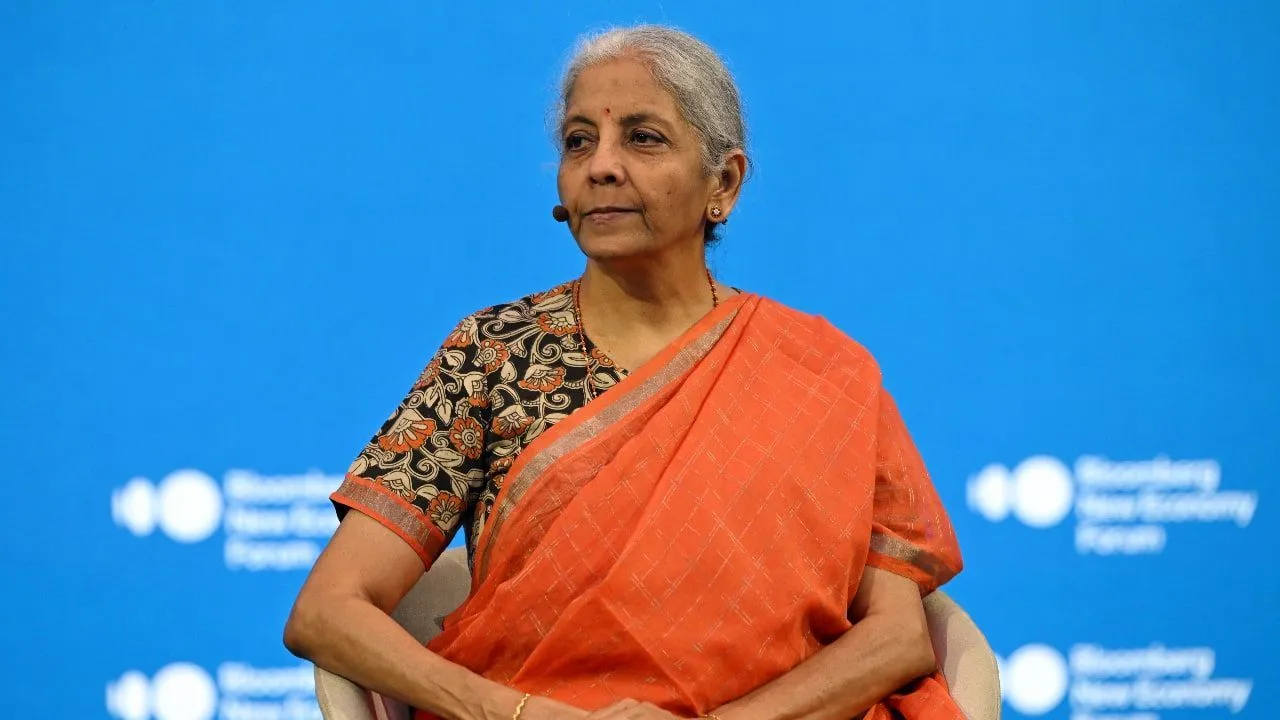
Finance Minister Nirmala Sitharaman will bring Gen Z into the pre-Budget consultation process for 2027-28, with a special session involving youth representatives planned as part of the government's discussions with stakeholders, The Economic Times reported on November 17.
The consultations, which began on November 16, will also include discussions with experts, bureaucrats, economists and representatives from several sectors of the economy.
The move follows the government's emphasis on youth participation in the previous Budget. Presenting the Union Budget 2026-27, Sitharaman had described it as a "Yuva Shakti-driven Budget", saying several proposals were inspired by ideas shared with Prime Minister Narendra Modi during the Viksit Bharat Young Leaders Dialogue 2026.
The latest consultation exercise is scheduled to continue until November 26, with separate meetings involving stakeholders from agriculture, capital markets, banking, insurance, manufacturing, infrastructure, healthcare, labour, startups, energy, MSMEs and education.
Economists urge government to stay on debt-reduction path
The first round of discussions on Monday focused on fiscal consolidation, rising expenditure pressures and economic challenges following the West Asia conflict, including higher oil prices.
Economists urged the government to maintain its debt-reduction trajectory despite limited fiscal space and the potential expenditure implications of the Eighth Pay Commission, ET reported, citing people familiar with the meeting.
"The discussion revolved around India's fiscal consolidation plan.... to maintain its debt-reduction trajectory," a participant told ET on condition of anonymity.
The government has set a target of reducing its debt-to-GDP ratio to 50%, with a tolerance band of one percentage point, by 2030-31.
Economists also suggested treating the oil price shock as a temporary disruption rather than allowing it to derail the medium-term fiscal consolidation roadmap.
LTCG tax reduction also discussed
A possible reduction in long-term capital gains (LTCG) tax was another issue raised during the consultations.
"There were also discussions on reducing the LTCG (long-term capital gains) tax," another participant told ET.
Currently, long-term capital gains above Rs 1.25 lakh annually on eligible listed equities and equity mutual funds attract a 12.5% tax, while short-term gains are taxed at 20%. Securities transaction tax applies to eligible market transactions.
The discussions follow demands from market participants and industry bodies for changes to capital gains taxation ahead of Budget 2027.
Monday's meeting was attended by Department of Economic Affairs Secretary Anuradha Thakur, Chief Economic Adviser V Anantha Nageswaran and senior finance ministry officials.
Economists present included ANZ Research's Dhiraj Nim, Ashoka University's Prachi Mishra, Crisil's Dipti Deshpande and former SEBI whole-time member Ananth Narayan.
A separate meeting was also held with representatives of the agricultural sector.