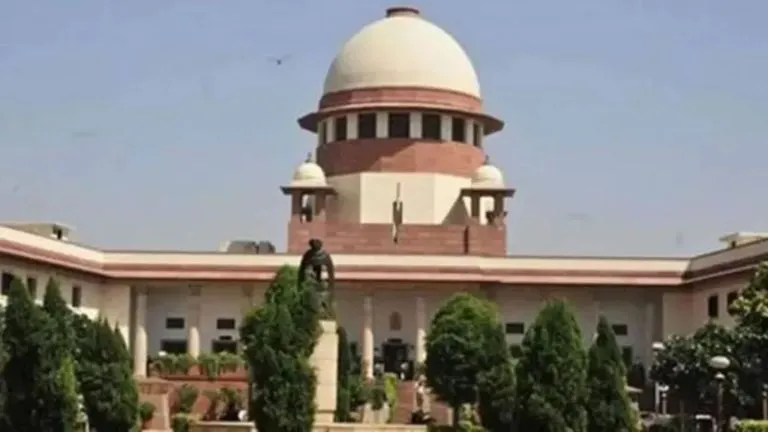
The Union government is “contemplating” having a special committee review the University Grants Commission (Promotion of Equity in Higher Education Institutions) Regulations, 2026, it said in a submission to the Supreme Court on Thursday (November 5, 2026).
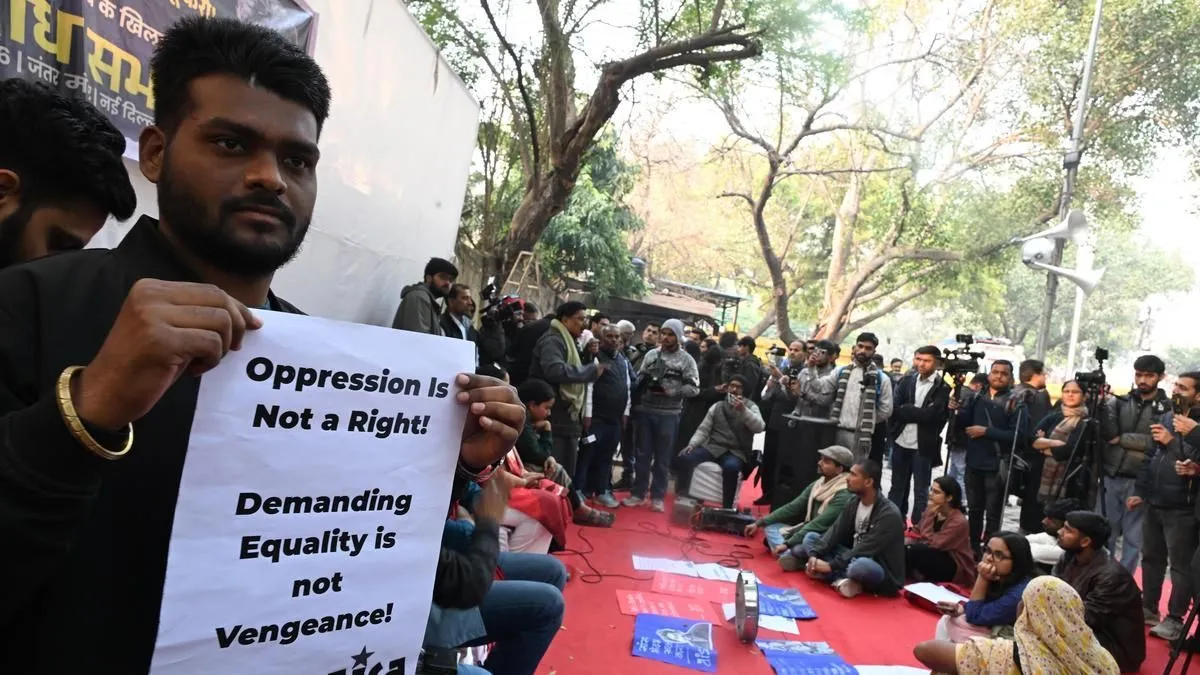
The Regulations were intended to fight discrimination within educational campuses, but had triggered protests by upper caste students claiming that the rules were one-sided.
In a brief hearing before a Bench headed by Chief Justice of India Surya Kant, Solicitor General Tushar Mehta, for the government, sought more time to come back with a comprehensive response, but added that the Centre was examining criticism about the 2026 Regulations.
“The government is contemplating a special committee to relook the UGC Regulations,” Mr. Mehta submitted.
‘Too sweeping’
In January 2026, the top court had stayed the Regulations, finding them “too sweeping” and vague. It had ordered that the University Grants Commission (Promotion of Equity in Higher Education Institutions) Regulations, 2012, would continue to be in force.
The Court had further issued notice to the government and the University Grants Commission (UGC) on separate petitions challenging Regulation 3(c) of the 2026 Regulations. These petitions had argued that the provision defined ‘caste-based discrimination’ in a narrow manner, limiting its ambit only to prejudice shown against members of the Scheduled Castes, Scheduled Tribes, and Other Backward Classes.
Caste discrimination on campus
The stimulus behind the 2026 Regulations was a petition filed jointly by the mothers of Rohith Vemula and Payal Tadvi in the Supreme Court against “rampant” caste discrimination in higher education institutions. Vemula, a PhD scholar at Hyderabad Central University, and Tadvi, a tribal student of the TN Topiwala National Medical College, died by suicide in January 2016 and May 2019, respectively, after being subject to on-campus caste bias.
Senior advocate Indira Jaising and advocate Prasanna S., appearing for both mothers, had intervened against the Court’s January stay order. They had argued that keeping the Regulations in abeyance was akin to “calling a fully-abled person disabled”.
They had submitted that the 2026 Regulations addressed the real problem of discrimination against students from Dalit and historically-oppressed castes within higher education institutions.