Market Mastery
Webinar by Vishal Malkan
Find the weak links
in your portfolio by Vishal Malkan
Scientists have found a way to reveal planets hidden behind the intense glare of their host stars, potentially unlocking discoveries from telescope data already collected. Using a new computational technique, researchers have recovered the signal of a giant exoplanet from observations made by NASA's James Webb Space Telescope (JWST) nearly two years ago.
The breakthrough could help astronomers detect fainter and smaller worlds without waiting for fresh telescope observations. The research was led by scientists at Northwestern University.
Why are planets difficult to spot near bright stars?
Directly photographing an exoplanet is challenging because its host star can be thousands to millions of times brighter than the planet. Its intense light creates glare that overwhelms the faint planetary signal.
Although JWST uses specialised instruments to reduce this interference, residual starlight can still hide planets. Traditional methods use reference-star images to subtract unwanted light. However, tiny changes in telescope alignment, temperature and optical conditions can affect the results.
How does the new FLIP technique work?
Researchers developed a computational technique called FLIP, short for Physics-based Learning for Imaging Planets. It creates a digital model of the telescope to simulate how light travels through its optical system.
The researchers adjust this model to account for imperfections and match simulated starlight with actual observations. They can then subtract the unwanted light, making faint planetary signals easier to identify.
According to the researchers, FLIP improves detection sensitivity by two to 15 times compared with conventional image-processing methods.
Giant exoplanet recovered from old JWST data
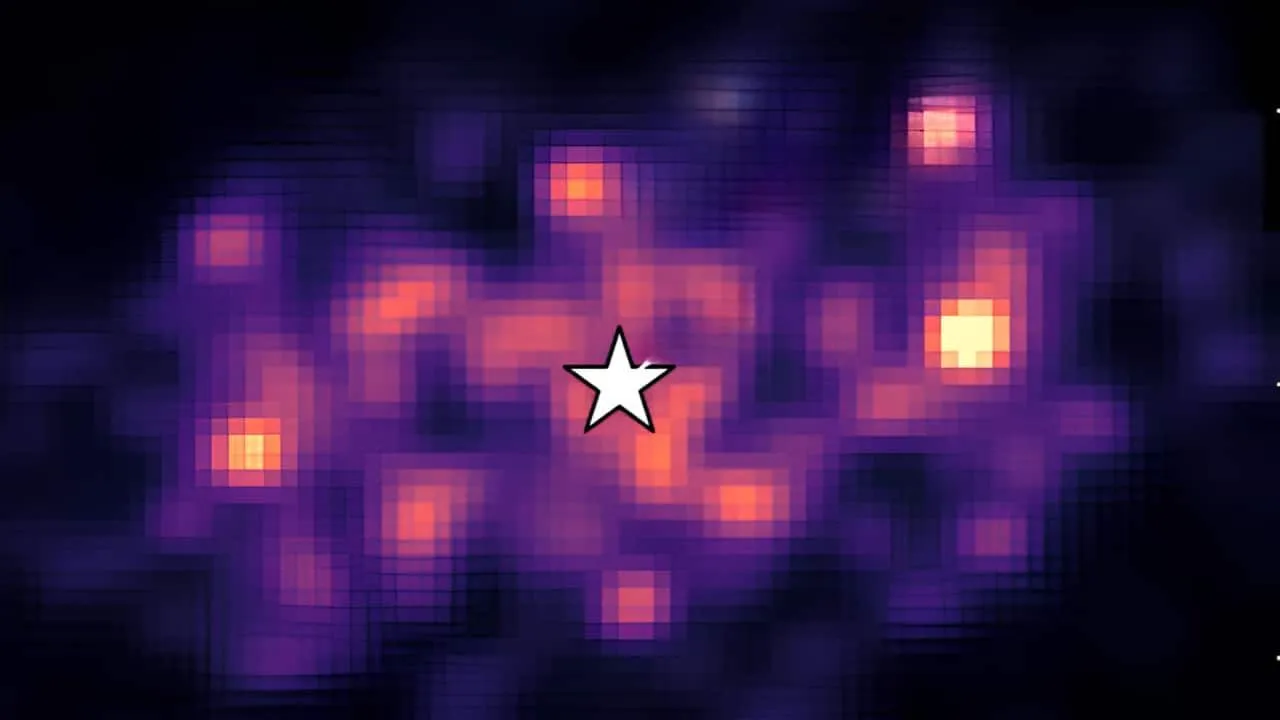
The team demonstrated the technique using 51 Eridani b, a giant exoplanet outside our Solar System. Although ground-based telescopes had previously discovered it, conventional processing could not reliably separate its faint signal from residual starlight in JWST observations.
By applying FLIP to existing data, researchers successfully recovered the planet's signal. This demonstrates how valuable information can remain hidden in observations that astronomers have already collected.
What does this mean for future planet discoveries?
The technique could help astronomers study exoplanet atmospheres and physical properties while improving searches for smaller and fainter worlds.
It could also support future observatories, including NASA's proposed Habitable Worlds Observatory, which aims to directly image Earth-like planets orbiting distant stars.
Rather than relying entirely on more advanced telescope hardware, scientists could use computational methods to correct optical imperfections. This means some future discoveries may come not from new observations, but from examining existing telescope data with better techniques.