

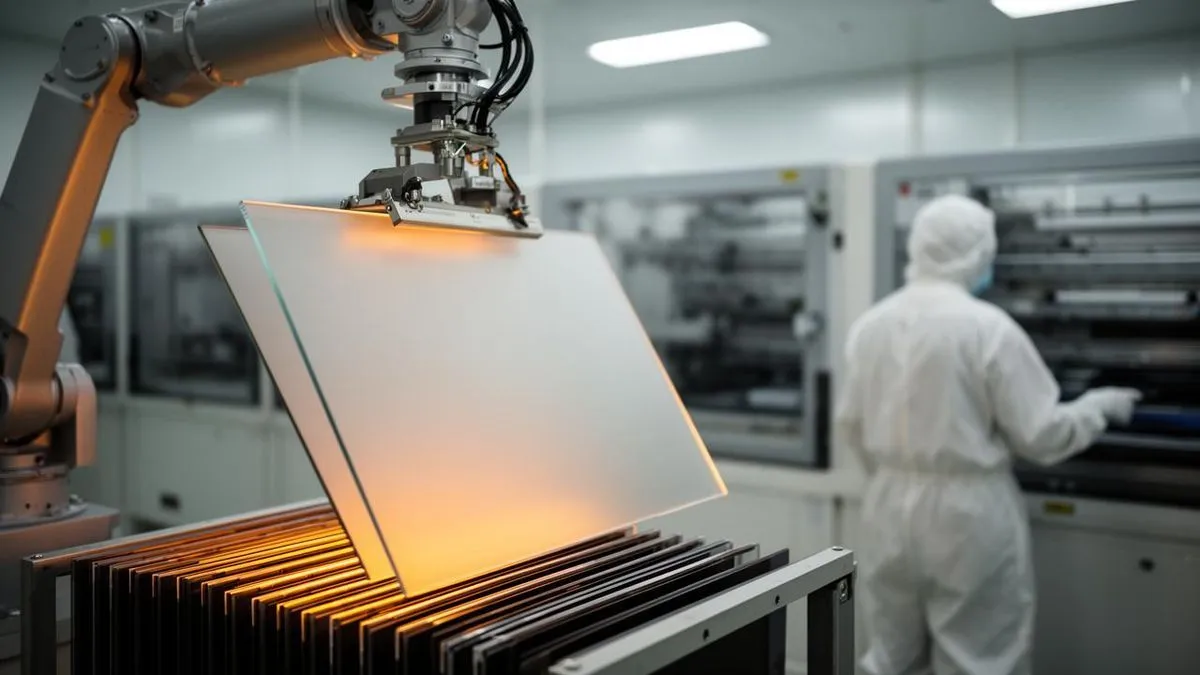
Samsung Display and LG Display are preparing to begin mass production of OLED panels for Apple's next round of iPhones, with manufacturing schedules that point to a March 2027 launch for the standard iPhone 18 and the iPhone Air 2, according to a report from Korean outlet ETNews.
Samsung Display intends to start volume output in January, while LG Display is slated to begin in late December, the report said. Both suppliers are said to be aligning their production plans with a launch window in March.
The timing reflects a structural change in how Apple releases iPhones. The company this fall introduced only its premium models, the iPhone 18 Pro, iPhone 18 Pro Max and the new iPhone Duo, breaking with past years in which more affordable devices shared the fall spotlight. The standard iPhone 18 and iPhone Air 2 will follow in the first half of 2027, the report said.
Samsung Display is expected to be the sole supplier of panels for the iPhone Air 2, while the two Korean manufacturers will split orders for the standard iPhone 18.
ModelPanel supplierMass production startiPhone 18Samsung Display, LG DisplayJanuary (Samsung) / late December (LG)iPhone Air 2Samsung Display (sole)January
Note: Production timing based on supplier plans reported by ETNews.
Panel makers are concentrating first on higher-value components for the Pro and Pro Max models and the iPhone Duo, and will shift to the lower-volume, less complex displays for the standard and Air models at the end of December and in January, an industry official familiar with the matter said.
The split release marks the first time Apple has staged a spring iPhone debut since it separated its launch calendar into two halves. For the display industry, that means the traditional slow winter season now carries new production momentum.
"It's a lower-margin panel, but panel makers can defend factory utilization during the traditional off-season, so a new momentum has emerged," an industry official said, adding that the first cycle under the split schedule will serve as a gauge for how Apple's panel supply chain evolves.
The standard and Air models typically account for more than 30% of iPhone volumes, with the standard model outselling the Air. The iPhone 17 lineup owed much of its success to a strong showing by the standard model, which gained LTPO OLED technology previously reserved for Pro models, narrowing the gap between tiers.
Expectations for the Air 2 are more modest. The first iPhone Air replaced the Plus model starting with the iPhone 17 series, pitching thinness and light weight, but the market response has been cool. Apple is said to have left panel specifications largely unchanged for the successor in order to draw down existing OLED inventory, with new orders expected to be minimal.
For investors, the March launch represents the first real test of Apple's bifurcated release strategy. Because this fall's rollout was limited to premium devices, the early sales performance of the standard iPhone 18 and Air 2 will weigh on the earnings trajectory of Korean display suppliers. How Apple allocates orders between Samsung Display and LG Display after those results are known will also be closely watched as a signal of the broader supply chain.