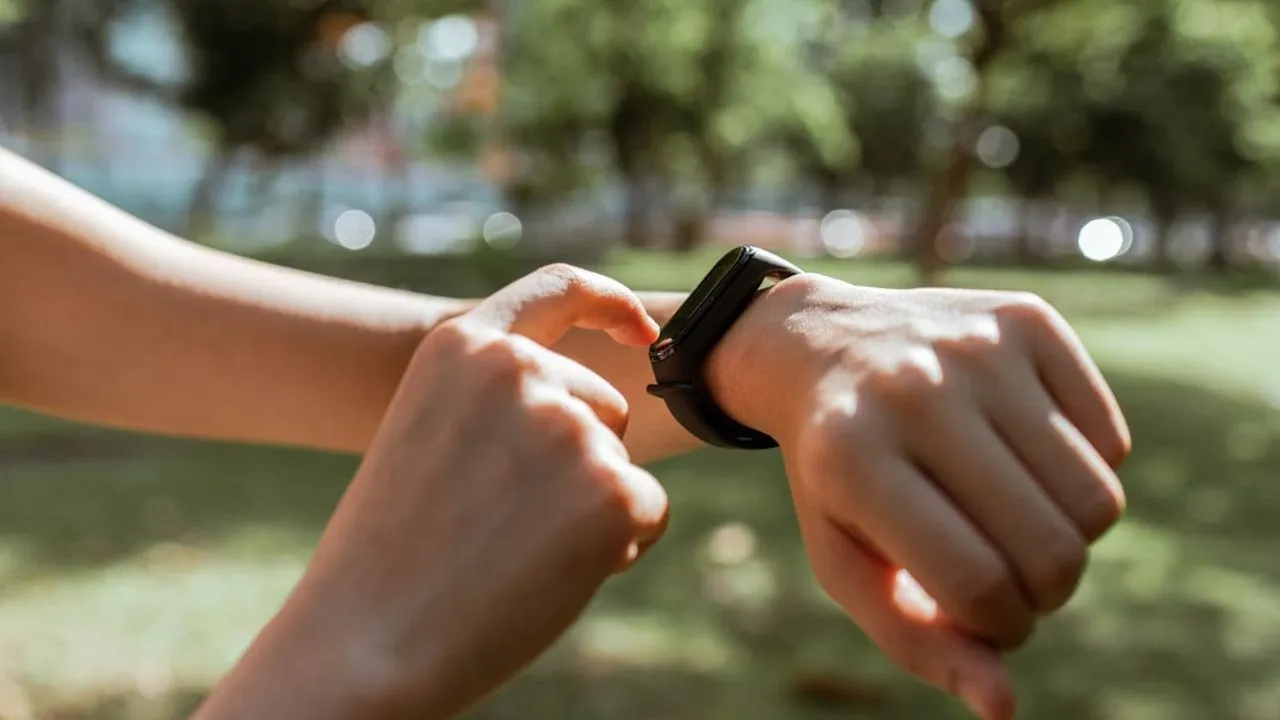
Fitness trackers, commonly known as wearables, have gained popularity among both athletes and those who are less active. Millions of people are using these devices to monitor their physical activity, heart rate, sleep patterns, and more. While fitness trackers offer valuable insights into personal health and can motivate users to remain active, they may also unintentionally contribute to increased anxiety and stress. These devices can create a psychological feedback loop that heightens feelings of anxiety.
At their core, fitness trackers are designed to encourage healthier lifestyles by providing users with real-time data about their physical activity levels. The appeal lies in the idea of empowerment; by having access to information about your health, you can make more informed choices. However, this proliferation of data can lead to an overwhelming sense of obligation. For many users, the desire to meet daily step counts, workout goals, or sleep targets can morph into an excessive preoccupation.
"Constant alerts regarding lack of sleep, missed daily steps, abnormalities in heart rate, or inactivity may lead to feelings of not doing enough. Rather than seeing such readings as general guidelines, individuals can consider them daily performance goals. It is going to add an unnecessary burden as our work schedule, social engagements and everyday life are bound to vary naturally," says Dr. Samant Darshi, Consultant psychiatrist at Psymate Healthcare, Noida.
Self-quantification can lead to increased anxiety, especially when individuals set unrealistic expectations or become overly focused on their metrics. Constant notifications about hitting or missing goals can create stress rather than alleviate it. For instance, a person who becomes too fixated on achieving 10,000 steps every day may feel guilty or anxious on days when they don't meet this benchmark, resulting in a cycle of self-criticism and diminished self-esteem. The pressure to constantly improve can transform what was once intended as a motivational tool into a source of anxiety.
"Continuous monitoring of our health metrics may trigger overthinking and health anxiety. For example, when a person gets a poor sleep score, he or she will wake up feeling lethargic and stressed, even if the individual initially felt rested. It may become a vicious circle, in which individuals depend increasingly on numerical scores to determine their state of being healthy or fit. Sometimes it can also impact self-confidence, mood and motivation," Dr. Darshi adds.
"Individuals may exercise needlessly to achieve step targets, feel guilty about not having done workouts or monitor too closely their eating and sleeping patterns," he added.
Moreover, the social aspects of fitness tracking can exacerbate feelings of comparison and competition. Many users share their achievements on social media platforms or compete with friends and family through various apps. While this can be a source of motivation for some, it can also lead to harmful comparisons. Seeing others post about their fitness successes may provoke feelings of inadequacy or jealousy, which can further fuel anxiety rather than foster a sense of community and support.
Additionally, the data provided by fitness trackers can sometimes be misinterpreted, leading to misinformed lifestyle changes and heightened worries.
READ | Step Counts To Sleep Scores, Smartwatches Can Shape Health Habits. Here's How
The proper balance
It's crucial to remember that while fitness trackers are valuable tools, they merely provide data points and do not define an individual's worth or health status. The human body and mind are complex, and health cannot always be distilled into numbers alone.
"Fitness devices must be viewed as supporting tools and not as medical authorities or report cards for your day. It is better to concentrate on the health patterns that emerge over time, instead of on notifications. Paying attention to the body and setting realistic fitness goals will help avoid excess stress," Dr. Darshi added.
Understanding this distinction is vital for maintaining a balanced view of fitness tracking. Setting realistic goals and viewing the data as guidance rather than an absolute measure of success can significantly reduce the pressure associated with these devices.
READ | Oura Updates Its Fitness Tracking: What Its New Metrics Reveal About Your Workouts
In conclusion, fitness trackers have the potential to enhance your awareness of health and motivate positive changes. However, it is essential to approach these tools with caution. You can turn off real-time biometric push notifications, particularly heart rate and stress alerts. Hide data screens that induce immediate checking behaviours, and treat wearable data strictly as a long-term weekly trend line rather than a real-time medical diagnosis. Ultimately, a focus on holistic well-being, rather than rigid numerical goals, can lead to a more fulfilling and less anxious health journey.