What exactly is Temple measuring?
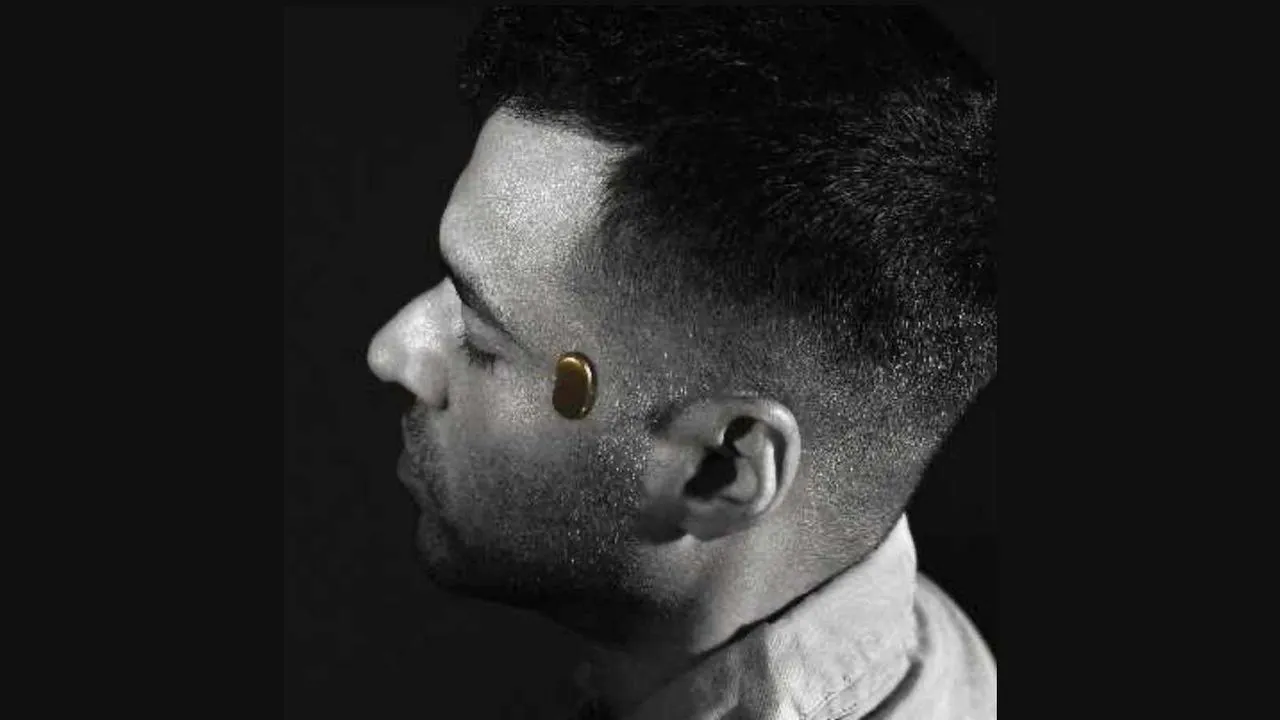
Temple is a wearable optical sensor designed to track changes in physiological signals associated with blood flow in the brain. Developed under Goyal’s research initiative, the device is linked to his broader interest in the Gravity Ageing Hypothesis. It proposes that gravity’s effect on blood circulation over a person’s lifetime may contribute to ageing, particularly changes in the brain. In simple terms, it suggests that the brain’s position above the heart and the effort required to maintain circulation against gravity could have consequences over time. However, this remains a research hypothesis, not an established explanation of human ageing.
“The brain automatically adjusts the size of its blood vessels and regulates blood supply to ensure that it continues to receive enough oxygen and nutrients, even when we change positions, stand up or exercise. Therefore, while gravity does influence circulation, there is no established scientific evidence that its everyday effects progressively damage the brain or cause it to age faster,” says Dr Praveen Gupta, Chairman, Marengo Asia International Institute of Neuro & Spine (MAIINS), Gurugram.
Can a sensor at one point measure blood flow across the entire brain?
This is one of The Liver Doc’s central scientific objections. The brain receives blood through an extensive network of arteries and smaller blood vessels. The internal carotid and vertebral arteries supply different regions, with interconnected networks helping maintain circulation. Blood flow is not uniform across all these regions. It changes according to the activity of different parts of the brain, the body’s physiological requirements and the condition of the blood vessels.
A measurement taken from one point on the head cannot automatically be assumed to represent circulation across this entire network. Dr Gupta says that a device attached at one location “can detect a physiological signal at the temple, but that does not represent blood flow throughout the brain.”
Can blood flow readings tell us whether someone is developing dementia or cognitive decline?
Dr Philips, in his thread on X, further argues that cognitive health cannot be reduced to blood circulation alone. The brain contains billions of neurons and an enormous network of synaptic connections. Its functioning depends on communication between neurons, neurotransmitters, metabolism, oxygen supply and several other biological processes.
Conditions such as Alzheimer’s disease and other forms of dementia involve complex biological changes that develop over time. Changes in cerebral blood flow may be associated with some neurological conditions, but they cannot, on their own, establish whether someone is developing cognitive impairment or neurodegeneration.
Even when reduced blood flow is observed, its significance depends on the location, extent, duration and underlying cause.
“The brain also has compensatory mechanisms. In some cases, alternative blood vessels can maintain circulation when one vessel becomes narrowed or blocked. This is why a single blood-flow reading cannot provide a complete picture of brain function or neurological health,” adds Dr Gupta.
Can short-term changes in blood flow tell us about ageing?
No. Ageing is a complex biological process involving changes in cells, tissues, metabolism, inflammation, vascular function and several other systems. This is why longitudinal research, following participants over several years, would be necessary to determine whether the measurements have any predictive value for cognitive decline or neurological disease.
What tools are already used to assess blood flow in the brain?
Doctors already have established methods to investigate cerebral circulation, depending on the clinical question. These include Transcranial Doppler (TCD), which uses ultrasound to measure blood-flow velocity in major arteries inside the brain, CT angiography, which uses contrast-enhanced CT imaging to visualise blood vessels, MR angiography, which uses magnetic resonance techniques to examine blood vessels and CT/ MRI perfusion, which assesses blood delivery to different regions of the brain. A single device cannot take care of all parameters.
There is currently no established evidence that Temple can diagnose neurological conditions, prevent dementia, improve cognition or predict how quickly an individual will age. That does not mean research into wearable cerebral monitoring should stop. Continuous monitoring of physiological changes outside hospitals could eventually offer useful insights into how posture, exercise and other factors influence cerebral circulation.