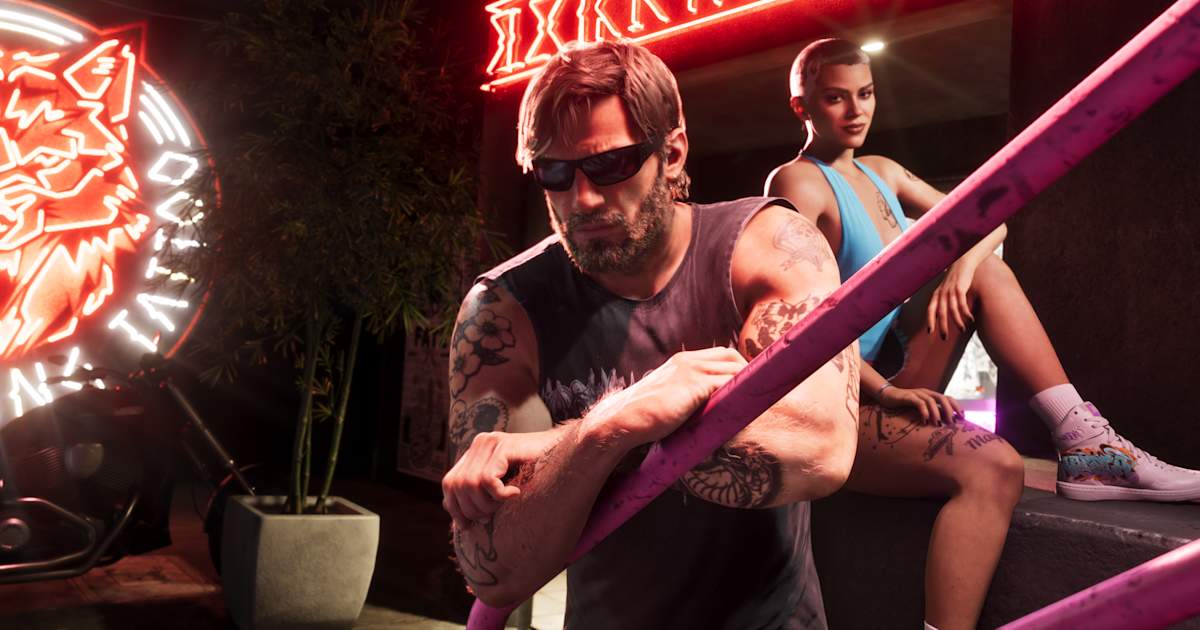

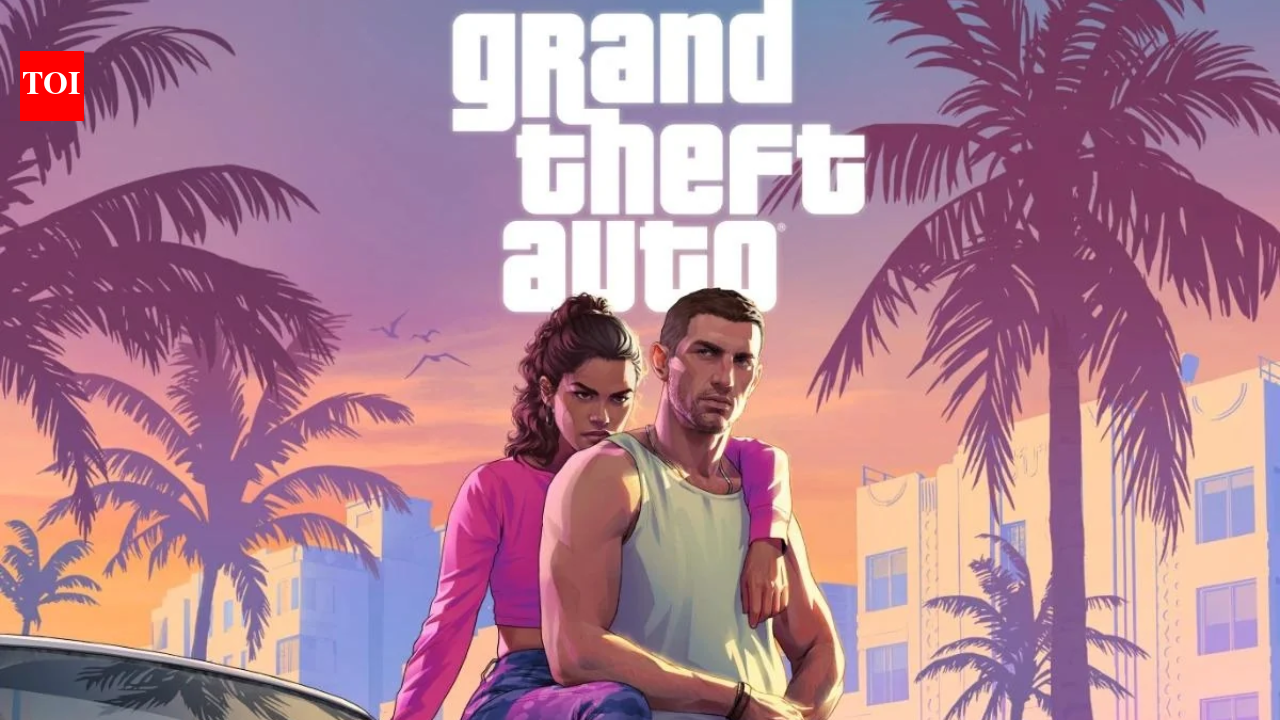
With Grand Theft Auto VI launching on November 19, the excitement around Rockstar Games’ latest release is hard to miss. Set in the fictional state of Leonida, the game follows Jason and Lucia, two characters drawn into a criminal conspiracy after a robbery goes wrong. But for parents, the arrival of another GTA title brings back a familiar question: should children be allowed to play a game built around crime, violence and adult themes? A child steals a car, runs over pedestrians and escapes the police. A few minutes later, the game rewards them for completing another mission. All of this happens in a fictional world, but does repeated exposure to such scenarios affect a young player's understanding of behaviour and consequences?
5 Oct 2026 | 12:06
Parents, when your child refuses to greet relatives, do you make them say hello or respect their choice?
“The psychiatric perspective is not that playing GTA will turn children into criminals. There is no scientific evidence to support such simple conclusions. The more pertinent question is about emotional maturity, behavioural regulation and the ability to distinguish between fictional rewards and acceptable real-world conduct,” Dr Gayatri Bhatia, Senior Consultant and Associate Professor, Department of Psychiatry, Amrita Hospital, Faridabad, told The Times of India. The distinction matters. Violent video games have often been blamed for aggressive behaviour, but research does not support a straightforward cause-and-effect relationship. A 2019 University of Oxford studyinvolving 1,004 adolescents found no statistically significant link between playing violent video games and aggression. The American Psychological Association's 2020 resolutionalso cautioned against attributing real-world violence to video games without adequate scientific evidence. But that does not mean every game is appropriate for every age group.
GTA 6 comes with adult themes
The content of the latest game is a particular concern for parents. Rockstar's official description lists intense violence, blood and gore, nudity, strong language, sexual content, mature humour, and the use of drugs and alcohol. It has a Mature 17+ (M) from the ESRB. Dr Bhatia says younger children may not have the emotional maturity to critically interpret such themes, especially when antisocial behaviour is woven into an entertaining, reward-driven storyline. The concern is not that a child will automatically imitate everything seen on screen. It is whether they can understand that actions rewarded in a game are not acceptable in real life. That ability to separate fiction from reality develops with age and maturity.
When should parents be concerned?
The content itself is only one part of the conversation. How much time a child spends gaming, and what happens when they are asked to stop, also matter. Dr Bhatia advises parents to watch for signs such as a short temper when gaming is interrupted, increased secrecy around play, or a declining interest in activities the child previously enjoyed. Sleep, schoolwork, physical activity and meaningful social interaction should not take a back seat to gaming. These behaviours do not automatically indicate gaming disorder, she says, but they deserve attention and assessment if they persist.
Join conversation
Share your thoughts in the comments
Be respectful · TOI community guidelines
How should parents handle the GTA 6 question?
For children below the recommended age, Dr Bhatia does not advise allowing them to play GTA. But simply banning a game without explaining the reason may not resolve a child's curiosity, particularly when friends are discussing it or sharing clips online. “There are ways to say ‘No’ without saying ‘No’,” she says. Parents can explain why certain content is unsuitable, establish consistent boundaries and introduce alternatives that are exciting without being inappropriate for the child's age. The GTA 6 conversation, then, is bigger than one video game. It is about helping children understand that fictional worlds have their own rules, rewards and consequences. The goal is not to shield them from every depiction of violence, but to help them develop the judgement to question what they see on screen and recognise what belongs in the real world.
End of Article