Leaked video offers glimpse of iPhone 20 Pro design
To mark 20 years since the first iPhone was introduced, Apple is reportedly preparing two significant changes. First, the company may skip the iPhone 19 name altogether and move directly to iPhone 20.
Second, Apple could revive the curved-screen design, a trend once popular among Android smartphone manufacturers but largely abandoned in recent years.
A recent leak has offered an early glimpse of what Apple's premium iPhone models could look like when they reportedly arrive in 2027.
According to industry sources, the iPhone 20 Pro and iPhone 20 Pro Max could undergo a major design overhaul centered on the use of glass.
Both the front and back of the devices are expected to feature glass surfaces that curve around the sides, creating a seamless appearance and almost completely concealing the metal frame between them.
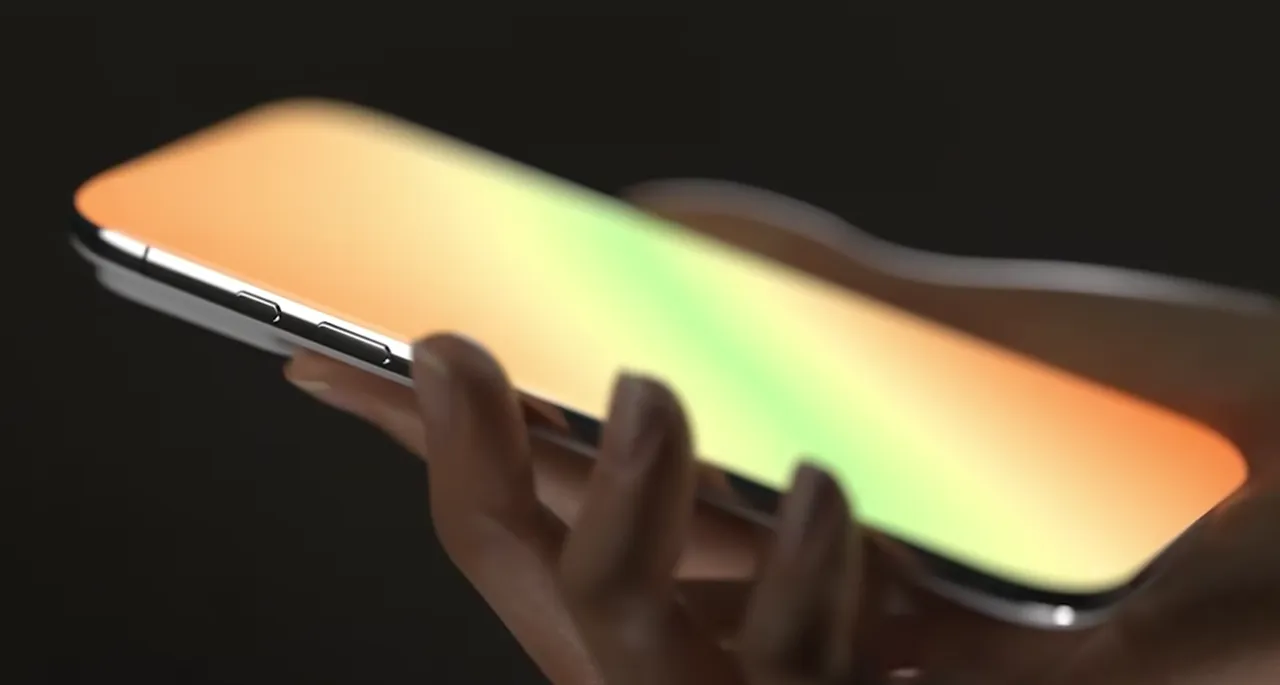
Prominent technology leaker Ice Universe recently shared a video showing what was described as a "3D quad-curved" screen protector, featuring three-dimensional curvature along all four edges.
The protective glass is designed to sit over the display and shield its surface.
The video shows glass curving toward the frame on all four sides, rather than just the left and right edges as seen on many earlier smartphones. The corners also appear more smoothly rounded.
Notably, the cutouts for the Face ID system and front-facing camera appear smaller, potentially contributing to a cleaner, more unified front design.
If Apple retains this design for the commercial version, the iPhone 20 Pro could represent one of the most substantial visual changes to the iPhone lineup in years.
Apple reportedly began preparing the redesign early
According to leaked information, the two models expected to succeed the iPhone 18 Pro and iPhone 18 Pro Max reportedly carry the internal code names V73 and V74, respectively.
The appearance of an experimental glass component for a 2027 iPhone at this stage would not be particularly surprising.
Apple typically finalizes much of the design direction for a new iPhone generation approximately a year before its official launch.
As a result, early prototype components may enter testing shortly after the preceding iPhone generation reaches the market.
Video showing a screen protector with a purported "3D quad-curved" design for the iPhone 20 Pro. Source: Ice Universe/X
However, the emergence of a curved-glass prototype does not necessarily mean Apple will adopt the design in the final product.
The company would still need to conduct extensive testing to assess durability, mass-production feasibility and the overall user experience.
Problems identified during these evaluations could force Apple to modify the design or abandon it entirely.
In fact, Apple was previously rumored to have experimented with an even more ambitious design featuring a greater proportion of glass across the device's body.
That approach was reportedly shelved after failing to meet durability requirements during testing.
Why might Apple bring curved displays back?
The iPhone X, introduced to celebrate the iPhone's 10th anniversary, marked a major turning point in Apple's smartphone design.
Technology enthusiasts are therefore expecting the model commemorating the product's 20th anniversary to deliver similarly significant changes.
A symmetrical four-sided curved-glass design could make the display appear larger, create a more immersive viewing experience and give the device an almost bezel-free appearance.
Combined with a new Samsung-manufactured OLED panel that is reportedly brighter and thinner, the iPhone 20 Pro could look substantially different from its predecessors.
Interestingly, Apple may have been laying the groundwork for this design direction for some time.
The Liquid Glass interface introduced in 2025 has been viewed as a possible precursor to a new design language emphasizing transparency, depth and seamless transitions between interface elements.
Beyond cosmetic changes, the iPhone 20 Pro and Pro Max could also receive their first display-size increases since 2024.
Specifically, rumors suggest the iPhone 20 Pro's display could grow from 6.27 inches to 6.41 inches, while the Pro Max could increase from 6.86 inches to 6.96 inches.
If accurate, these changes would give users more screen space without necessarily requiring a substantially larger device.
Android moved away from curved screens. Can Apple do better?
Curved displays are hardly a new invention, and Apple would not be the first smartphone manufacturer to embrace the concept.
For years, curved screens were a defining trend in the Android market, particularly after Samsung pioneered edge-to-edge curved displays on its premium smartphones.
At the time, curved displays were widely regarded as a symbol of modern smartphone design, giving devices a more sophisticated, slimmer appearance while promising smoother gestures and a more seamless touch experience.
However, practical drawbacks gradually became apparent as consumers spent more time using these devices.
Accidental touches while holding the phone, distracting reflections along the display edges and image distortion around curved sections frustrated many users.
Applying screen protectors also became more troublesome, as their curved edges often began peeling away after extended use.
More concerning was the increased vulnerability of curved displays to impact damage compared with flat screens.
This required users to handle their devices more carefully, particularly given the high cost of replacing displays on premium smartphones.
These shortcomings contributed to many Android manufacturers moving away from pronounced curved displays around 2020, instead adopting flat screens or designs with only subtle curvature around the edges.
Apple's reported interest in bringing curved glass back to the iPhone 20 Pro therefore raises an important question: Can the company overcome the problems that led much of the Android industry to move away from the design?