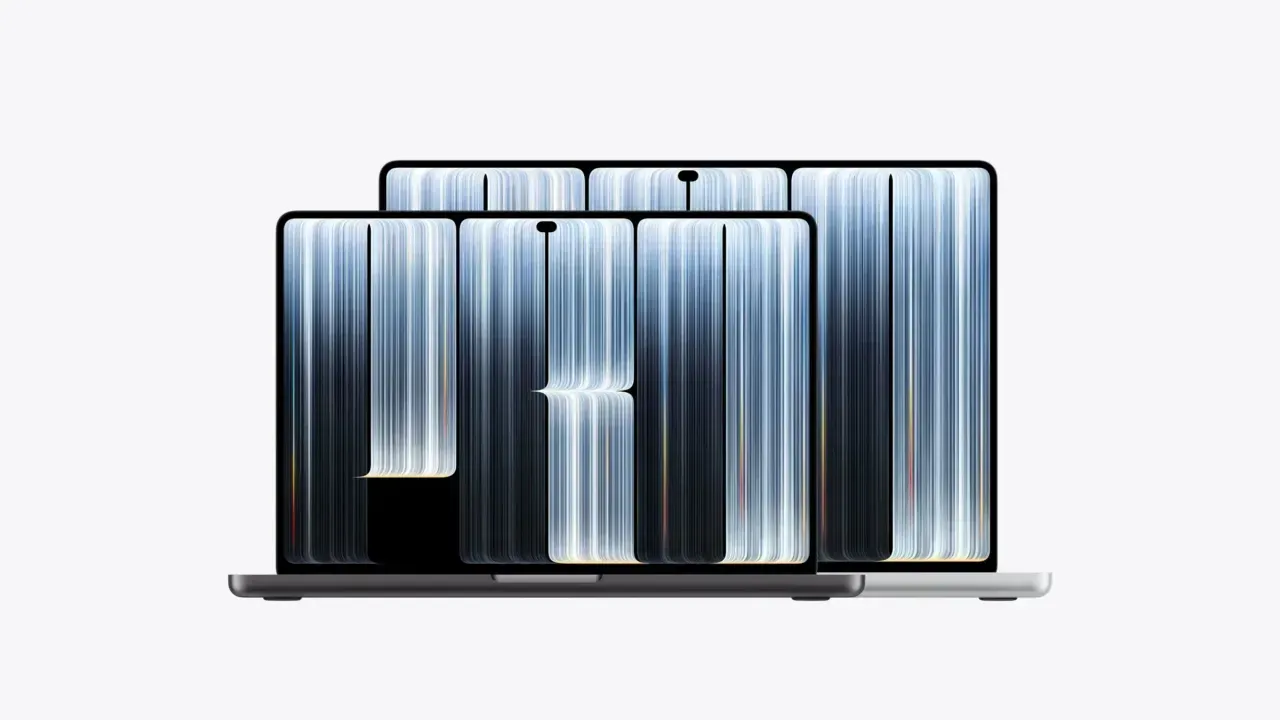
Some people who bought Apple’s new MacBook Pro with PROLED XDR Display are reportedly sending it back after the screen induced headaches and dizziness.
The high-end touchscreen on Apple’s first OLED MacBook Pro flickers much more slowly than the one on previous mini-LED models. That can affect sensitive eyes, and it seems to be the reason behind early reports of user discomfort.
Why the new MacBook Pro’s PROLED XDR screen flickers
By almost all accounts, Apple’s most expensive MacBook Pro is a feast for the eyes. But for some owners, the gorgeous new tandem OLED screen proves painful. The PROLED XDR display delivers stunning contrast and deeper blacks but introduces a screen-flickering behavior that some people find difficult to tolerate.
As Apple’s display technology becomes more advanced, it doesn’t necessarily become more comfortable for all users to look at. And with no macOS setting to address the problem, potential buyers with flicker-sensitive eyes might want to think twice before dropping nearly $3,000 on Apple’s latest laptop.
Stay in the loop: Subscribe to Cult of Mac’s free newsletter for Apple news, reviews, how-tos and deals.
So, what’s causing the problem? In its review of the high-end laptop, NotebookCheck notes that at 99% brightness or below, the PROLED MacBook Pro’s screen flickered at 240Hz on the 14-inch model.
Pulse Width Modulation could be the culprit
The review explains the technology behind the flicker like this:
“To dim the screen, some notebooks will simply cycle the backlight on and off in rapid succession — a method called Pulse Width Modulation (PWM),” NotebookCheck wrote last week. “This cycling frequency should ideally be undetectable to the human eye. If said frequency is too low, users with sensitive eyes may experience strain or headaches or even notice the flickering altogether.”
NotebookCheck called the 240Hz frequency “relatively low,” and warned that “sensitive users will likely notice flickering and experience eyestrain at the stated brightness setting and below.”
For comparison, the previous M4 Pro MacBook Pro’s mini-LED screen measured 14,880Hz — more than 60 times faster. Other reports put the new laptop’s range at 240Hz to 480Hz, with 240Hz reportedly in use most of the time.
Owners report headaches and returns
Flicker-sensitive PROLED MacBook Pro owners describe headaches, dizziness and nausea after just a few days using the laptop, which starts at $2,899 and arrived in stores last Friday.
In one Reddit post, titled “MacBook PROLED PWM headache & nausea,” a user reported feeling bad after using the laptop.
“Was really hoping this would not hit me, but it has. Anyone else noticed it?” wrote Len9a on Sunday (quote cleaned up for publication). “Initially felt fine until today. Using below half-brightness left me feeling horrendous after 15 minutes of use.”
Some say they already returned or are thinking of returning the pricey laptops to Apple.
“I took delivery of the new 14-inch PROLED [MacBook Pro] on Friday, and since I have been using it I have noticed it’s super-hard to look at the screen,” wrote Life-Blackberry-5652 on Reddit Tuesday (quote cleaned up). “It’s almost disorienting, and my eyes can’t concentrate on a single line when I’m typing or reading. Is this something I will get used to? I held out for a long time for Apple to make a touchscreen, and I love this machine, and I truly do not want to return it. Any ideas?”
The posts on social media forums have racked up hundreds of responses so far. But it’s still unclear how big the problem is.
No Mac fix has surfaced yet
Fewer people complained about the problem on OLED iPhones and iPads, which reportedly flicker at similar rates.
Apple added a Display Pulse Smoothing setting to the iPhone 17 that disables PWM dimming. Testing found it works only up to 25% brightness.
But there’s no such matching option in macOS as of now, and Apple hasn’t publicly addressed the complaints.
What to do before you buy
Anyone who knows they are flicker-sensitive should test the MacBook Pro with PROLED XDR Display in a store for an extended period. Owners who feel symptoms should stop using the laptop and see a doctor if headaches or dizziness keep coming back.
The good news is, Apple’s standard two-week return policy has been extended during the holiday shopping season. “Eligible products at the Apple Store Online that are received between November 6, 2026 and December 25, 2026, may be returned through January 8, 2027,” says the company’s website.