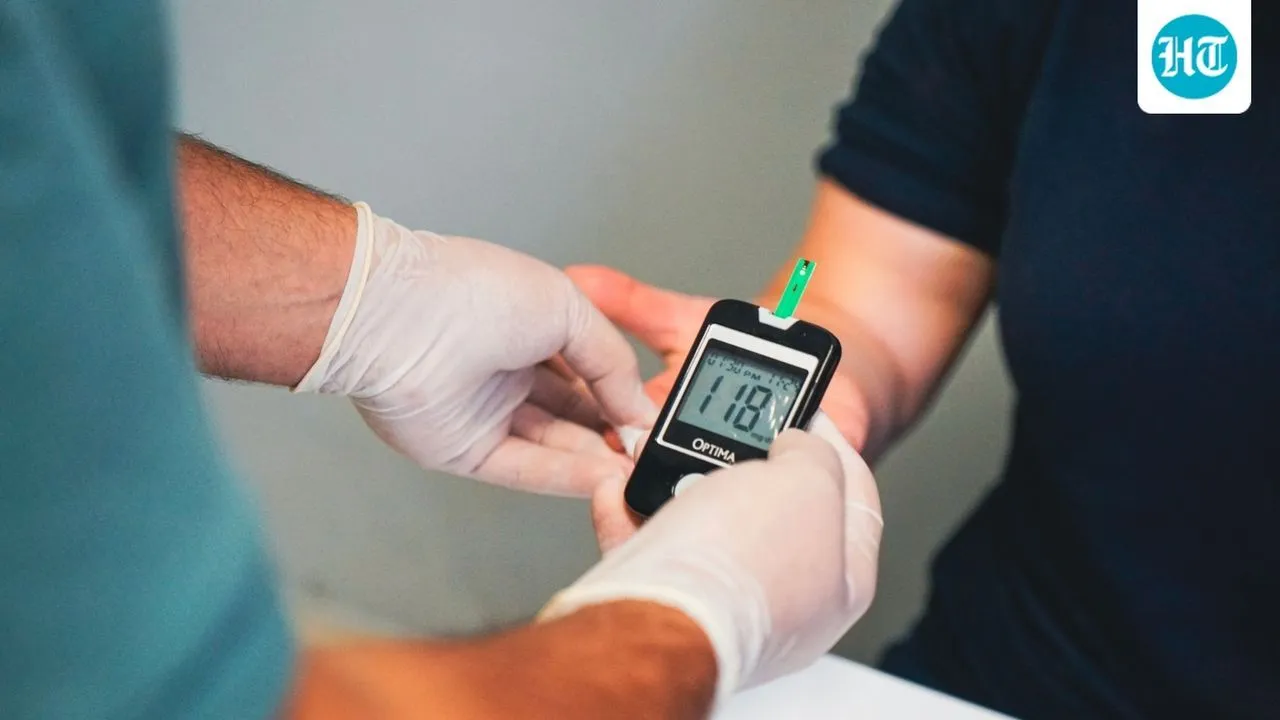
Whenever diabetes is discussed, the first things that come to mind are high blood sugar levels and commonly known complications such as damage to the eyes, kidneys and feet.
Also Read | Nephrologist explains the silent threat of diabetes and steps to maintain kidney health
However, diabetes is a whole-body disease, and its effects can extend far beyond these commonly recognised complications, shared Dr Manisha Arora, director of internal medicine at the CK Birla Hospital, Delhi, with HT Lifestyle on World Diabetes Day, which is observed every year on November 14.
The physician noted that some of its lesser-known effects can show up in areas rarely associated with diabetes, including the ears, teeth and skin.
In the words of Dr Arora, “Diabetes can affect hearing, oral health and skin. In fact, these complications may sometimes serve as early indicators of poorly controlled blood sugar levels.”
“Importantly, they do not develop overnight but tend to progress gradually, often going unnoticed until the symptoms become more pronounced,” she added. The physician went on to elaborate on how diabetes is linked to the above complications, which is presented as follows.
1. Diabetes and hearing loss
According to Dr Arora, people with diabetes are almost twice as likely to develop hearing loss compared to those without the condition.
“Persistently high blood sugar levels can damage the tiny blood vessels and nerves in the inner ear over time. This can interfere with the way sound signals are transmitted to the brain, gradually affecting hearing ability,” she explained.
Since this damage develops slowly, many people may not realise that their hearing is deteriorating until the problem becomes significant.
Some common warning signs include:
Frequently asking people to repeat themselves during conversations.
Increasing the television or phone volume.
Difficulty following conversations, particularly in noisy environments.
Experiencing ringing or buzzing sensations in the ears (tinnitus).
“People living with diabetes should be mindful of changes in their hearing and consider regular hearing assessments, particularly with advancing age or after several years of living with diabetes. Early detection can help identify hearing difficulties and facilitate timely intervention,” advised Dr Arora.
2. Diabetes and teeth and gum problems
The mouth is another area where the effects of diabetes can become visible, shared the physician.
In her words, “High blood sugar levels can increase glucose levels in saliva, creating an environment that encourages bacterial growth. Diabetes can also weaken the body's ability to fight infections, making people more susceptible to oral health problems.”
Some common complications include:
Gum disease: Red, swollen or bleeding gums, which may progress to periodontitis if left untreated.
Persistent bad breath: Often associated with bacterial build-up and gum infections.
Loose teeth or tooth loss: Severe gum disease can damage the tissues and structures supporting the teeth.
Delayed healing: Cuts, sores or wounds in the mouth may take longer to heal, particularly after dental procedures.
Oral thrush: A fungal infection that can cause white patches, soreness and discomfort inside the mouth.
“An important point to understand is that the relationship between diabetes and gum disease works both ways. Poorly controlled blood sugar increases the risk of gum infections, while severe gum disease and inflammation can make blood sugar levels more difficult to manage. This creates a vicious cycle in which one condition can worsen the other,” warned Dr Arora.
In some cases, dentists may be among the first healthcare professionals to suspect undiagnosed diabetes, particularly when a patient presents with persistent or recurrent gum infections and delayed healing.
Managing oral health requires a two-way approach, highlighted Dr Arora.
“Along with keeping blood sugar levels under control, individuals should brush their teeth twice a day, floss regularly, avoid tobacco and visit a dentist every six months,” she stated. “It is equally important to inform the dentist about an existing diabetes diagnosis before undergoing any dental procedure.”
3. Diabetes and skin problems
Dr Arora pointed out that skin complications are also quite common among people living with diabetes. Nearly one in three people with diabetes may develop some form of skin condition during their lifetime.