Market Mastery
Webinar by Vishal Malkan
Find the weak links
in your portfolio by Vishal Malkan
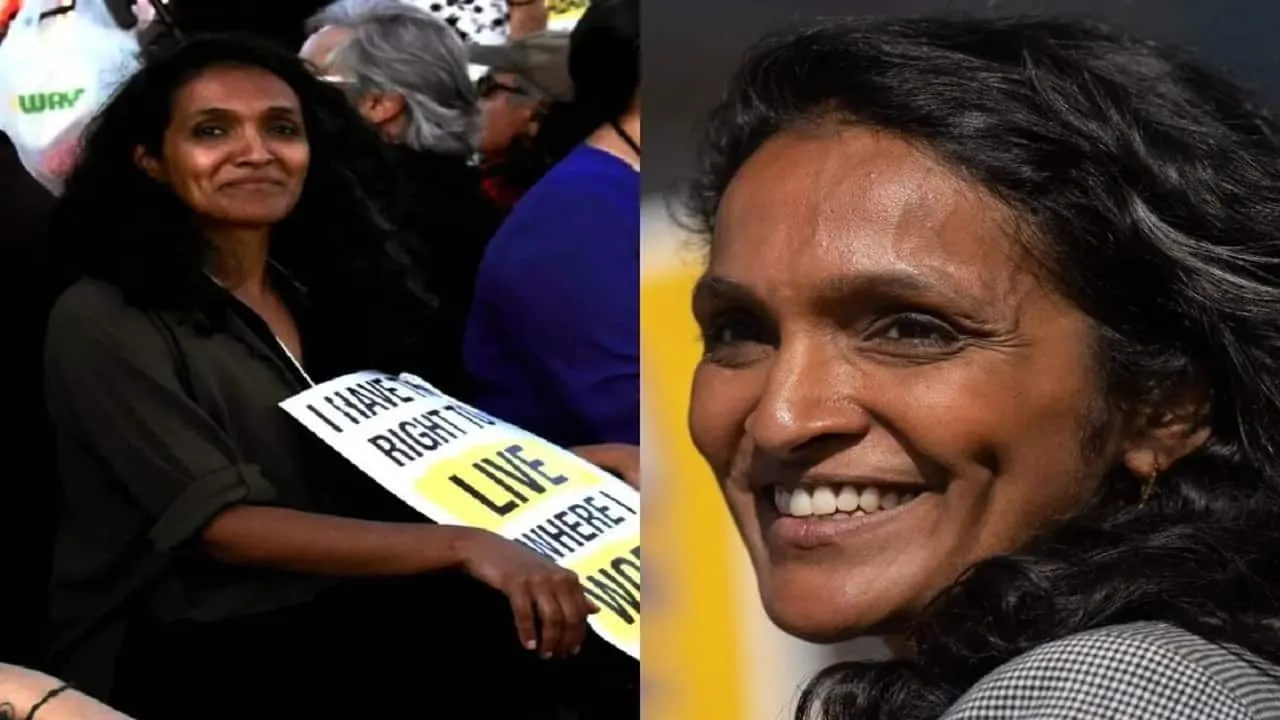
Kerala-born Nithya Raman has defeated incumbent Karen Bass to win the Los Angeles mayoral election, becoming the city's first Asian-American mayor and only the second woman to hold its highest elected office. Her victory marks a significant political upset in America's second-largest city, where she entered the contest against Bass just hours before the nomination deadline.
Raman secured 51.1 percent of the vote against Bass' 48.33 percent, according to Decision Desk HQ, which projected her victory in the nonpartisan mayoral contest on November 5.
The result brings an end to Bass' tenure, which was marked by criticism over the city's response to devastating wildfires, Hollywood's employment challenges and persistent concerns over homelessness and civic infrastructure.
Raman's campaign gained traction by focusing on the cost of living, affordable housing, homelessness and the delivery of basic municipal services. Her entry into the race had taken many by surprise, particularly as she had publicly backed Bass' re-election bid only weeks earlier.
The challenger drew support from younger voters and sections of the electorate seeking an alternative approach to the city's housing and homelessness crisis. Her campaign also received a boost from Los Angeles City Controller Kenneth Mejia, the first Asian-American elected to citywide office in the city. The two frequently appeared together at campaign events, criticising aspects of Bass' homelessness programme.
Raman's victory will place her at the helm of Los Angeles as the city prepares to host the 2028 Olympic Games. She will also have to navigate the city's persistent housing affordability crisis, homelessness, public safety concerns and infrastructure challenges.
Who is Nithya Raman?
Born in Kerala in 1981, Raman moved to the U.S. with her family at the age of six and became a naturalised US citizen at 22. She studied at Harvard University before pursuing a master's degree in urban planning at the Massachusetts Institute of Technology (MIT).
An urban planner by training, Raman's professional journey has spanned civic research, public administration and grassroots activism. Before moving to Los Angeles in 2013, she spent several years in India working on issues related to sanitation and urban poverty. She also founded Transparent Chennai, an urban research initiative focused on improving civic amenities and access to basic services.
Her political engagement in Los Angeles grew out of her work on homelessness in the city's Silver Lake neighbourhood. In February 2017, she contacted a local neighbourhood council's homelessness committee seeking to get involved in addressing the growing crisis. She later became co-chair of the committee and helped establish the SELAH Neighborhood Homeless Coalition.
The organisation, named after the neighbourhoods of Silver Lake, Echo Park, Los Feliz, Atwater Village and Hollywood, worked directly with people experiencing homelessness. Its volunteers helped residents access government services, connect with support organisations and obtain essential documents.
Raman's activism was rooted in the argument that homelessness could not be addressed through policing and temporary interventions alone, but required tackling housing shortages and rising rents.
After relocating to California, she also worked with the Los Angeles city administration's chief administrative officer, examining public expenditure and the city's spending on homelessness. Her assessment raised concerns about the allocation of funds towards policing and arrests instead of longer-term interventions.
In 2018, Raman became executive director of Time's Up Entertainment, an organisation that emerged from the #MeToo movement to address sexual harassment and gender inequality in the entertainment industry.
Her electoral breakthrough came in 2020, when she defeated an incumbent to win a seat on the Los Angeles City Council. She subsequently secured a second term, building a political profile around housing, homelessness and neighbourhood-level governance.