Market Mastery
Webinar by Vishal Malkan
Find the weak links
in your portfolio by Vishal Malkan
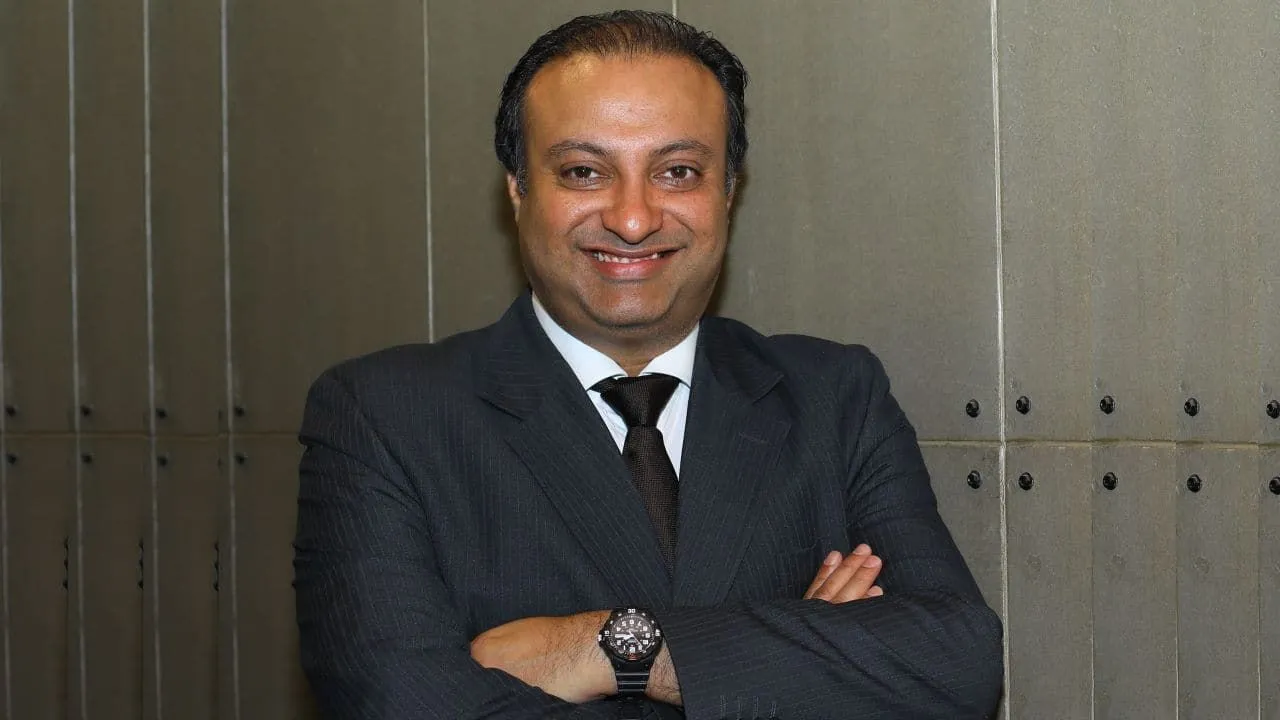
Indian equities could end 2026 at a record high, with the market rally extending beyond large-cap stocks, according to Abhishek Banerjee, founder of Lotusdew Wealth and Investment Advisors.
In an interview with Moneycontrol, Banerjee said stronger foreign portfolio inflows, sustained earnings momentum and a weaker dollar could support further gains in Indian equities, even as geopolitical risks and inflation remain concerns.
"We could be closing this year Nifty at all-time high contrary to what most of the narrative is," he said.
Banerjee also believes oil prices have peaked following changes in global supply routes. He expects India's landed crude oil prices to settle between $80 and $90 a barrel for the foreseeable future.
The smallcase manager remains bullish on the second half of FY27, favouring companies that can improve the utilisation of existing assets in power and manufacturing. He remains selective but broadly bearish on IT services, while also seeing the possibility of another RBI rate hike in December.
Edited excerpts from the interview:
Has the overall Q2 earnings season met or exceeded your expectations?
Corporate earnings have held up well despite challenging macroeconomic conditions. Listed companies represent the formal economy more than unlisted businesses, and several factors are supporting their profitability.
These include better integration of TDS and GST compliance systems, faster income-tax refunds, incentives for formal employment and improved foreign exchange management under RBI regulations.
Companies have also responded to geopolitical uncertainty by cutting costs, improving the utilisation of physical assets and human resources, and using technology to boost productivity.
Overall, earnings have largely been in line with expectations, although a few companies have delivered positive surprises. This has helped strategies such as the Positive Surprise smallcase, which uses proprietary earnings momentum models, perform well relative to other strategies.
Microcaps are also generally less exposed to international geopolitical developments and tend to carry lower debt levels. This has helped them perform relatively well in the current environment of elevated yields.
Do you expect the second half of FY27 to be significantly better than the first half? Could we see a meaningful acceleration in earnings upgrades?
Inflationary pressures from higher oil prices, volatile foreign portfolio investment flows, lower agricultural output and disruptions to fertiliser shipments along traditional trade routes remain key concerns.
For the second half to improve significantly, geopolitical tensions would need to ease, accompanied by greater policy certainty both in India and overseas.
Global bond yields have moderated somewhat, helping sustain higher price-to-earnings multiples.
We remain as bullish on the second half as we were on the first. That is why we stayed fully invested in the Trilithon Hidden Gems Scheme without holding any significant cash.
Do you expect the market rally to broaden from here? Is a Nifty 50 target of 28,000–30,000 achievable next year?
Yes, we expect the rally to broaden.
As stronger foreign portfolio inflows push up valuations in large-cap and higher-quality stocks, domestic investors are likely to seek value in smaller and lesser-known companies. This should support further price discovery and broaden market participation.
We believe the Nifty could close 2026 at an all-time high, contrary to the prevailing market narrative.
Our optimism rests on several factors. A weaker dollar could ease inflationary pressures and bring down bond yields, supporting an expansion in valuation multiples. At the same time, we expect earnings momentum in Indian equities to continue.
Increasing tax buoyancy could create room for tax rationalisation, including greater alignment of capital gains taxation with international practices.
Lower compliance costs, particularly for smaller businesses, and the continuing shift from informal activity to formal revenue recognition could also support corporate earnings.
SEBI's consultation paper on SME IPO and listing norms could provide another catalyst for broader market participation if the proposals are implemented.
Are you bullish on themes such as digitalisation, energy transition and advanced manufacturing?
All three are important themes, but we are more bullish on businesses backed by physical and real assets than on digital or asset-light businesses.
Platform-based businesses are gaining traction. However, the implementation of data protection and privacy regulations could introduce additional risks for digital companies.
Our preference, therefore, remains with brownfield asset utilisation opportunities in power and manufacturing, where companies can generate better returns from existing infrastructure and capacity.
Do you think oil prices have peaked, or is there still room for further upside?
Yes, we believe oil prices have peaked as global supply routes have been reconfigured.
While sufficient oil continues to flow through the Strait of Hormuz, uncertainty remains around marginal supply flows.
We expect oil prices to settle between $80 and $90 a barrel for the foreseeable future, regardless of geopolitical conflicts.
This forecast primarily refers to the landed price of crude oil in India. It is difficult to make similar projections for other geographies.
Given the recent spike in inflation, do you expect the RBI to raise interest rates again at its December policy meeting or maintain the status quo?
Another rate hike looks quite possible, although the decision will largely depend on incoming economic data.
Oil prices remain elevated, while food inflation has increased because of lower crop yields. The RBI has also highlighted excess liquidity in the banking system, which it could absorb through measures such as open market sales of government securities.
We therefore believe further monetary policy tightening remains possible.
On the fiscal side, India is doing well, with tax collections growing faster than corporate profits.
This should support government-led capital expenditure, benefiting companies linked to infrastructure and investment activity, particularly capital-intensive businesses rather than asset-light models.
Do you expect the AI capital expenditure theme to remain a key market driver through 2027?
We expect a barbell effect across the economy, with the lower and higher ends performing better while the middle segment faces pressure.
This could also be reflected in employment, where lower-end and highly specialised jobs perform better than middle-tier roles.
What are your expectations from the IT sector in the second half of FY27?
We remain highly selective and are broadly bearish on IT services for now.
Rather than taking broad exposure to the sector, we believe investors should wait for an emerging leader and concentrate on that opportunity.
A few companies could break out as artificial intelligence implementation spending flows into India. These businesses could drive the next phase of IT services export growth.
At the same time, domestic operational support services should expand as the Indian economy becomes increasingly digital.
Disclaimer: The views and investment tips expressed by experts on Moneycontrol are their own and not those of the website or its management. Moneycontrol advises users to check with certified experts before taking any investment decisions.