Market Mastery
Webinar by Vishal Malkan
Find the weak links
in your portfolio by Vishal Malkan
Asian stock markets crash: South Korea's KOSPI crashed nearly 9 percent in early trade on Friday, triggering a circuit breaker, while Japan's Nikkei plunged more than 5 percent as a global selloff in artificial intelligence and semiconductor stocks intensified. The rout followed the US midterm elections, where the Democrats' sweeping victory raised fears of tighter AI regulation and a slowdown in data centre investments, wiping trillions of dollars off Wall Street overnight.
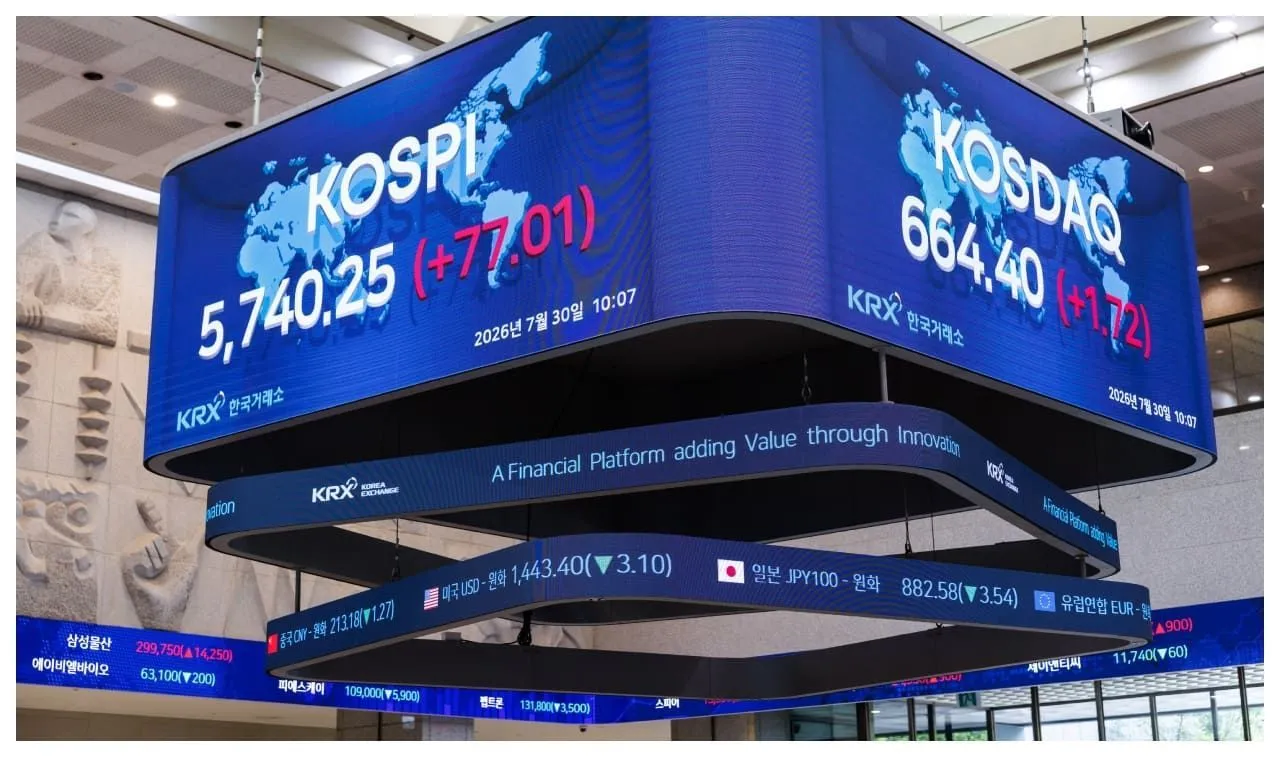
The KOSPI plunged as much as 8.8 percent, falling below the psychologically important 5,000 mark for the first time in nine months. The Korea Exchange halted trading for 20 minutes after the benchmark breached the circuit-breaker threshold. The index subsequently recovered some losses but remained down 4.97 percent at 5,116.17 in the latest trading data.
Japan's Nikkei 225 tumbled 5.27 percent to 57,858.61, heading for its biggest single-day decline since April 2025. Hong Kong's Hang Seng fell 0.77 percent to 24,607.21, while the broader MSCI Asia Pacific Index declined around 3 percent.
Share Markets Live Updates | Sensex, Nifty, GIFT Nifty Today
Samsung, SK Hynix lead semiconductor stock crash
South Korean chipmaking giants Samsung Electronics and SK Hynix bore the brunt of the selloff as investors reassessed the outlook for the global AI investment boom. Samsung Electronics plunged 10 percent, while SK Hynix sank 13 percent in early trading. Selling pressure was so intense that both stocks were subjected to temporary trading restrictions at the opening.
The weakness spread across Asian semiconductor companies. Japan's Kioxia plunged 14 percent, while Taiwan Semiconductor Manufacturing Company (TSMC) declined 8.5 percent in early trading. Japan's SoftBank Group, a major investor in artificial intelligence businesses, slumped 11 percent.
The selloff also extended beyond technology. South Korean automaker Hyundai Motor declined 6.9 percent, Kia fell 4 percent, and battery manufacturer LG Energy Solution lost 4 percent.
Why are Asian technology stocks crashing?
The sharp decline followed the Democrats' decisive victory in the US midterm elections, which handed the party control of both chambers of Congress. Investors fear the election outcome could lead to tougher scrutiny of artificial intelligence companies and restrictions on data centre construction, potentially slowing demand for semiconductors and other AI infrastructure.
The political uncertainty has intensified existing concerns over whether the enormous investments being made in AI infrastructure will generate sufficient returns.
South Korea has been particularly vulnerable to the reversal because its stock market rally was heavily driven by semiconductor companies benefiting from soaring memory-chip prices and AI-related demand. The KOSPI had climbed above 9,000 during the summer, having roughly tripled in value over the year through its June peak, before the recent reversal.
Wall Street selloff spills into Asia
The Asian market crash followed Wall Street's worst session since the tariff-related rout of April 2025. The Nasdaq Composite plunged 5.52 percent, entering correction territory after falling more than 10 percent from its October 6 record closing high. The S&P 500 dropped 4.36 percent, wiping approximately $3 trillion off the market capitalisation of its constituent companies, while the Dow Jones Industrial Average declined 3.44 percent.
With inputs from agencies