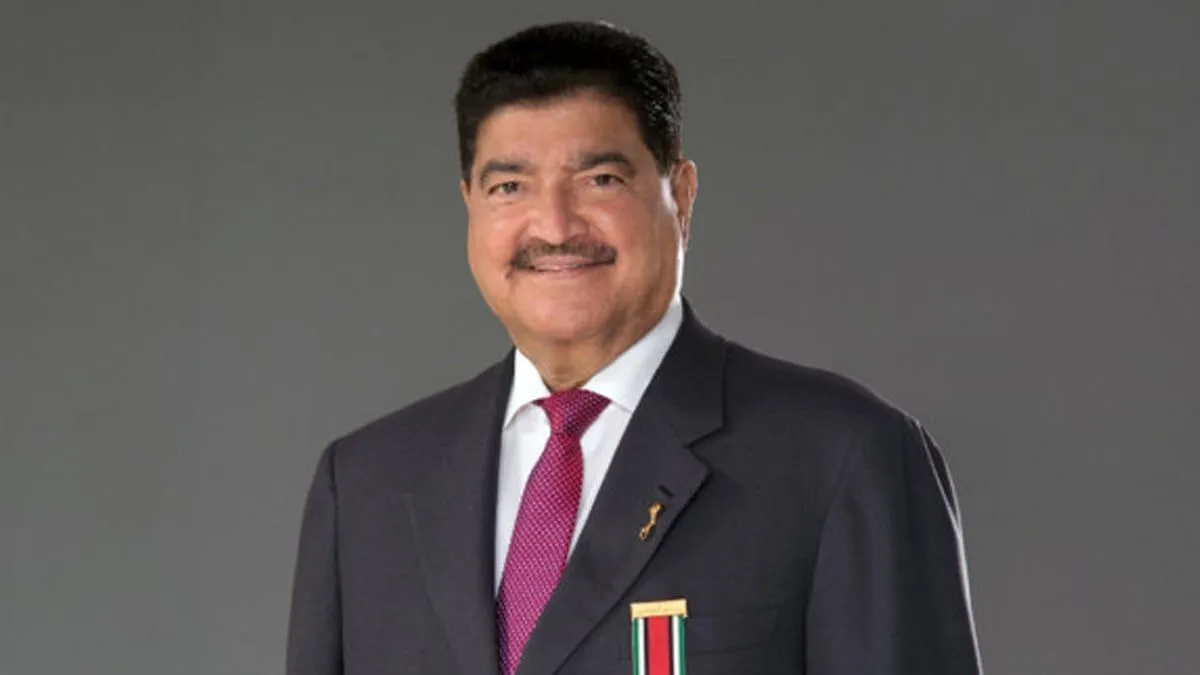
Justice Sir Andrew Smith of the ADGM Court of First Instance held that both Shetty and Manghat had knowingly participated in a fraudulent scheme involving the misappropriation of company funds, concealment of borrowings and manipulation of financial statements.
The Court identified $5.397 billion as the starting point for assessing the financial contributions that the two would be required to make towards the company's assets.
The November 5 judgment revealed that over 500 transfers were made into Shetty's personal bank accounts. These transfers totalled AED 4.18 billion, with net payments of approximately AED 2.6 billion after accounting for funds returned to the group.
The case arose from the collapse of NMC Health, which Shetty founded in Abu Dhabi in 1975. The company was listed on the London Stock Exchange in 2012 and subsequently became part of the FTSE 100 index. According to the administrators, NMC's management diverted substantial company funds for personal use while concealing billions of dollars in borrowings.
The Court examined more than 500 transfers into Shetty's personal bank accounts, involving AED 4.18 billion. After accounting for funds transferred back to the group, the net payments amounted to approximately AED 2.6 billion. The transactions also involved expenditure on private aircraft, properties in Dubai Hills and investments in a Wyoming oil field.
The fraud extended to NMC's financial statements. By December 2018, the group had accumulated approximately $3.88 billion in undisclosed borrowings while reporting debts of only $1.99 billion.
The Court found that the group used sham supplier transactions to disguise borrowings. Under these arrangements, suppliers raised invoices for goods or services that were not intended to be supplied. Banks financed the invoices and the funds were channelled back into the group.
The Court rejected Shetty's defence that he was himself a victim of fraud perpetrated by senior executives. It also rejected Manghat's argument that he lacked control over the company's financial affairs.
"This is an unlikely submission from a man who was the CEO of a FTSE 100 company, it is inconsistent with the evidence, and I reject it," Justice Smith observed.
The Court held that both men knowingly participated in fraudulent trading from April 30, 2012, attracting liability under the ADGM Insolvency Regulations, 2022.
"I have concluded that Dr Shetty and Mr Manghat were both party to the business being carried on fraudulently."
The Court will hold a further hearing to determine the final monetary awards, interest and costs.
Bank of Baroda was also initially named as a defendant over allegations concerning the concealment of NMC's borrowings. The administrators alleged that Shetty had reached an arrangement with the bank's then managing director PS Jayakumar to repay NMC's outstanding borrowings in exchange for the bank not disclosing the true position of its accounts to the company's auditors.
"The JA Claimants advanced persuasive arguments in their closing submissions in support of their case that Dr Shetty and Mr Jayakumar agreed that the NMC Group would repay virtually all their liabilities to Baroda in exchange for Baroda not revealing the true position about their accounts with Baroda," the Court recorded.
However, Justice Smith declined to make a finding against the bank.
"It would be unfair to Baroda and to Mr Jayakumar personally to make a finding about that," the Court observed.
Bank of Baroda reached a settlement with the administrators towards the end of the trial. The claims against it were discontinued.