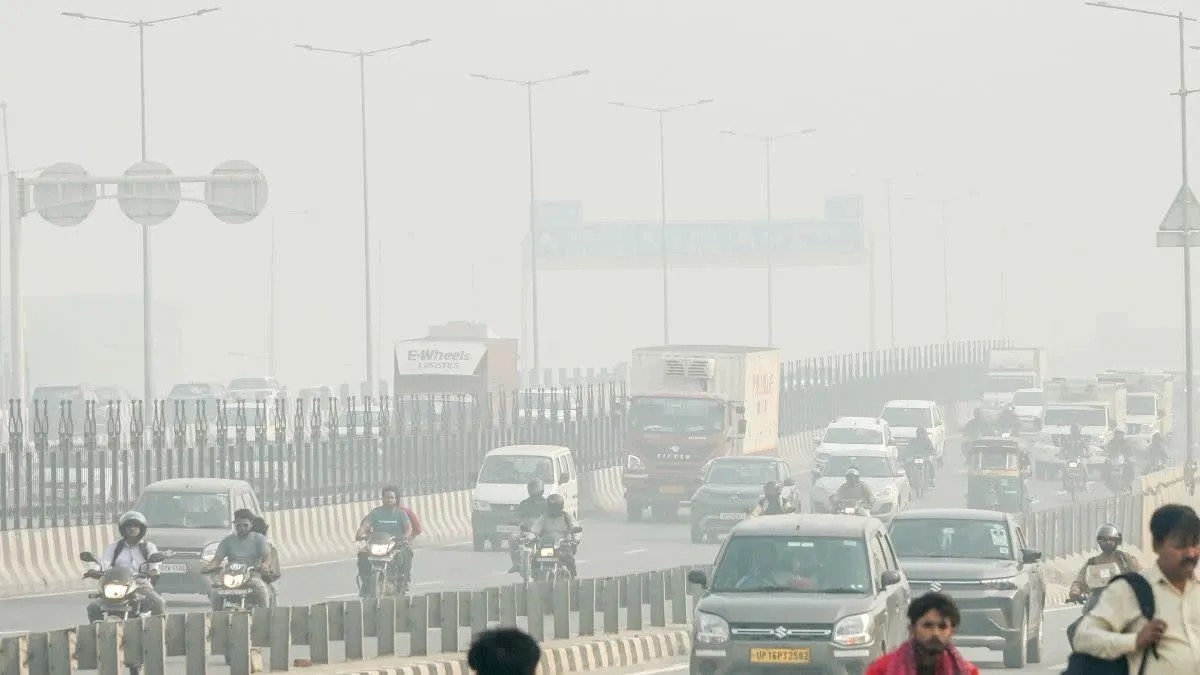
While short-term exposure can trigger acute symptoms and medical emergencies, repeated exposure to fine particulate matter, particularly PM2.5, can contribute to chronic inflammation, reduced lung function and an increased risk of cardiovascular complications.
A 2024 study published in 'The Lancet Planetary Health', a peer-reviewed research journal, estimated that 3.8 million deaths in India between 2009 and 2019 were linked to air pollution.
The Union Health Ministry has also asked states and Union Territories to step up surveillance and tracking of pollution-related illnesses. In a letter to the Additional Chief Secretaries, Principal Secretaries and Secretaries of Health and Medical Education, the ministry outlined a comprehensive framework covering screening, early diagnosis, clinical management, risk-based counselling and follow-up care for patients affected by air pollution.
Renowned physician and chief advisor of the Federation of All India Medical Associations (FAIMA), Dr Dubyala Srinath told ETV Bharat that prolonged exposure to air pollution not only affects lungs but also the heart and blood vessels.
"Fine particles like PM2.5 can cause inflammation, damage blood vessels, and increase the risk of blood clots, heart attacks, and strokes. Elderly people, diabetics, and those with hypertension or existing heart diseases are at higher risk as their blood vessels are already vulnerable," he said.
The main concern, according to Dr Srinath, is that this damage happens silently over time without any symptoms. “During severe pollution, high-risk people should avoid unnecessary outdoor activities and monitor their BP and sugar levels regularly,” he said. “Air pollution is not just an environmental issue anymore; it's a serious public health concern.”
Children Face Risks To Lung Development
Paediatricians warn that children are particularly vulnerable because their lungs and immune systems are still developing. They breathe more air relative to their body weight than adults and often spend time outdoors, increasing their exposure to airborne pollutants.
Repeated exposure can aggravate asthma, trigger wheezing and persistent coughing, and increase the likelihood of respiratory infections and other breathing difficulties. In children with pre-existing respiratory conditions, severe pollution episodes can lead to acute attacks requiring emergency medical attention.
The longer-term concern is that sustained exposure to polluted air may impair normal lung growth and reduce lung function. A child who repeatedly experiences breathing difficulties may also struggle to participate in sports and outdoor activities, affecting physical fitness and overall well-being.
"Air pollution in childhood stunts lung growth and never lets lungs reach full capacity. Parents should watch for frequent wheeze, night cough, breathlessness on play, and three-four chest infections a year — these are early warnings of damaged airways," Dr R V Asokan, a renowned paediatrician and former president of the Indian Medical Association (IMA), told ETV Bharat.
Young Adults Are Not Immune
Young adults may appear healthier and more resilient, but age alone does not protect them from the effects of polluted air. Regular exposure during commuting, outdoor exercise and work can irritate the airways and contribute to inflammation, coughing, reduced exercise tolerance and worsening respiratory symptoms.
Experts said that repeated exposure to fine particles can affect lung function even in people without a diagnosed respiratory illness. PM2.5 particles are small enough to penetrate deep into the lungs, while some components of air pollution can contribute to systemic inflammation after entering the bloodstream.
Renowned pulmonologist Dr Ankit Bhatia told ETV Bharat that air pollutant exposure can cause various respiratory difficulties, including sore throat and lung infection besides increasing asthma issues.
"Short-term implications of pollution is that patients who have asthma and lung disease can have acute infections and problems, and they can be hospitalised. Long exposure for many days and even years can decrease your lung function," said Dr Bhatia.
Stating that natural lung function goes down by some amount every year, Dr Bhatia said, “People who have repeated infections can have DNA damage, and lung function decreases at a very high rate compared to what it is for a normal person. If lung function of an individual decreases 30 ml every year, in patients with repeated infections, lung function decreases every 100 to 200 ml every year. So long exposure for many years can severely decrease your lung function."
In patients who have repeated pollutants, their airways and lungs are getting irritated by these particles. “When their lungs are getting irritated for a very long period, these patients can develop lung cancer because prolonged damage by these particles can cause DNA damage. This DNA damage can also lead to lung cancer in many people,” said Dr Bhatia.
Senior Citizens And Chronic Patients At Greater Risk
For senior citizens, prolonged smog exposure can be particularly dangerous because age-related decline in lung capacity often coincides with existing cardiovascular and metabolic conditions. Pollutants can aggravate COPD, chronic bronchitis and asthma, increasing the likelihood of breathlessness, hospitalisation and respiratory failure in severe cases.
"For individuals with COPD, asthma, and heart problems, their primary condition worsens because air pollution causes increased inflammation in the lungs and vessels, leading to a worsening of the underlying disease, a drop in oxygen saturation, and increased breathlessness. People living with diabetes also face additional concerns," said Dr Randeep Guleria, chairman, Institute of Internal Medicine, Respiratory & Sleep Medicine, Medanta Gurugram.
“Diabetes is associated with an elevated risk of cardiovascular complications, and pollution-related inflammation and physiological stress may compound existing risks. Those with high blood pressure, obesity or multiple chronic conditions may be especially vulnerable,” he added.
Need To Move Beyond Emergency Care
Renowned public health expert Dr Tamorish Kole said that the health response must move beyond passive case reporting towards an integrated, real-time surveillance system that captures the health impact of air pollution.
“This should include emergency visits and hospital admissions for asthma and COPD exacerbations, acute bronchitis, acute coronary syndromes and stroke, using standardised case definitions. Early-warning indicators like salbutamol dispensing, emergency department visits and school absenteeism should also be monitored," said Dr Kole.
"These datasets must be linked to daily AQI readings and made accessible through a public dashboard, incorporating time-lag analysis to identify the relationship between pollution spikes and subsequent health events.”
At the primary care level, according to Dr Kole, Health and Wellness Centres should be equipped with trained personnel and quality-controlled spirometry, including pre- and post-bronchodilator testing, to distinguish asthma from COPD, alongside screening for TB in patients with persistent respiratory symptoms.
He said that reliable supplies of inhaled bronchodilators, corticosteroids, spacers, nebulisers and oxygen, pre-winter influenza and pneumococcal vaccination for high-risk groups, and individualised action plans are essential.
"Protection strategies must specifically prioritise children, pregnant women, older adults and people with pre-existing cardiac or respiratory disease,” said Dr Kole.
"They should receive counselling on reducing strenuous outdoor activity during poor air quality, maintaining prescribed medication, carrying rescue inhalers and recognising danger signs such as breathlessness at rest, chest pain, persistent wheeze, cyanosis and rapid breathing in children.”
Also Read:
Delhi's Winter Smog Not Merely A Weather Problem But An Emissions Problem Made Worse By Weather Conditions: Experts
NHAI Boosts Pollution Control Measures Across Delhi-NCR Amid Poor Air Quality
Delhi AQI Climbs To 400. Has BS-IV Vehicle Ban Failed To Bring Relief To The Capital?