A new study suggests that HEPA-based air purifiers may offer benefits beyond reducing indoor pollution. Here’s how it can help manage blood sugar fluctuations.
Rising air pollution in Delhi and across India is making families rethink the air they breathe indoors. With smoggy mornings, hazy skies, and AQI levels crossing 500 in some areas, the post-Diwali crisis has boosted demand for air purifiers.
Air purifiers are commonly used to reduce indoor exposure to dust, smoke and fine pollution particles, particularly when outdoor air quality deteriorates. But a new study has found a possible benefit of air filtration that goes beyond cleaning the air. Researchers say using HEPA-based air purifiers in bedrooms may help reduce blood sugar fluctuations in people with pre-diabetes.
The study, published in the American Heart Journal, reported by The Washington Post, examined whether reducing exposure to fine airborne particles inside homes could affect glucose levels. The results showed that participants who slept in rooms with working air filters experienced fewer changes in their blood sugar readings. They also recorded smaller glucose increases after breakfast.
How Air Purifier technology Was Tested
Researchers from New York University, US conducted the study involving more than 150 adults with prediabetes. The participants were divided into two groups for a period of around four weeks.
One group used portable air filtration devices in their bedrooms while sleeping. The other group received similar-looking devices that did not actually filter the air.
The working devices used High-Efficiency Particulate Air (HEPA) filters. According to the researchers, these filters reduced the concentration of harmful airborne particles in the participants’ bedrooms by 36 percent.
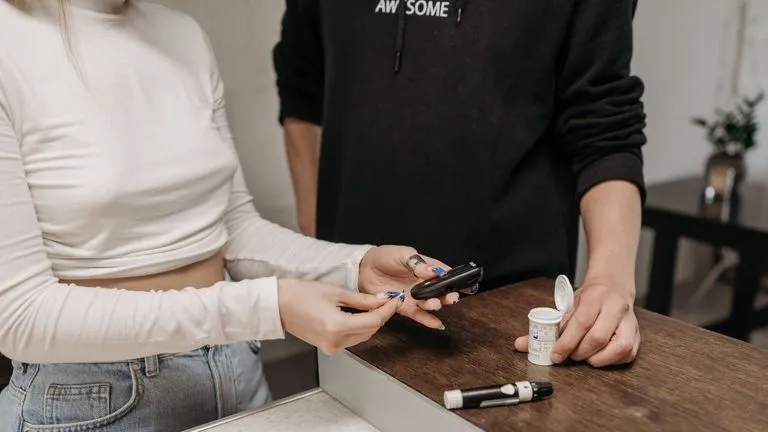
To measure the impact, researchers used continuous glucose monitors. These wearable sensors recorded blood sugar levels every few minutes. Measurements were collected for one week before the filtration period and again after four weeks.
The results showed that participants who used working air filters had fewer daily fluctuations in glucose levels. Their blood sugar also increased less after breakfast, with reductions in both overall post-meal rises and peak readings.
What Makes HEPA Filters Important?
HEPA filtration is used in air purifiers to capture particles that remain suspended in indoor air. These can include dust, pollen, mould spores and smoke particles that enter homes from outside or come from indoor sources.
The US Environmental Protection Agency says HEPA filters can capture at least 99.97 percent of airborne particles measuring 0.3 microns under specified conditions. However, not every air purifier advertised with a HEPA-related label offers the same level of filtration. Terms such as HEPA-type and HEPA-like do not automatically mean that a filter meets the recognised HEPA standard.
What Does This Mean For Air Purifier Users?
The researchers have not established that air purifiers can prevent or treat diabetes. The study only points to a possible connection between lower exposure to indoor particulate pollution and more stable blood sugar levels. Further research will be needed to understand whether the effect continues over a longer period.
For now, the findings add another area of research to the growing discussion around indoor air quality and filtration technology. They also suggest that air purifier performance may be worth examining beyond its ability to reduce visible dust and other airborne particles.