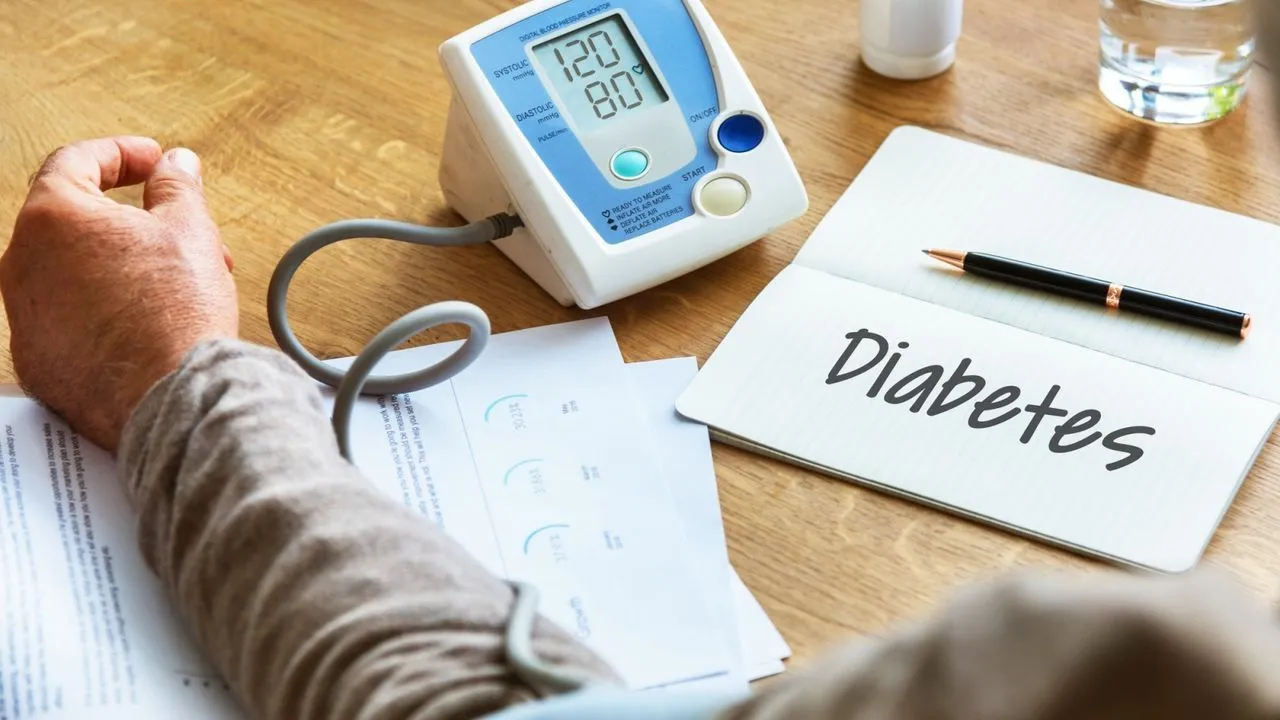
“Medically, diabetes can be put in remission within 90 days, and yes, blood sugar can be medically lowered within 90 days. Some Type 2 diabetics have achieved remission,” says Dr Chawla.
But what does remission actually mean? It refers to having an HbA1c level below 6.5 per cent for at least three months without taking glucose-lowering medication.
Dr Chawla emphasises that remission does not mean a permanent cure. Blood sugar levels can rise again if healthy lifestyle habits are not maintained. Therefore, continued monitoring remains important even after achieving remission.
What dietary and lifestyle changes can help improve blood sugar in 90 days?
Dr Chawla recommends including protein-rich foods, nuts, green vegetables and pulses in daily meals. Fruits can also be included in controlled portions, while refined carbohydrates, sugary drinks, sweets and highly processed foods should be limited.
“One must not have the urge to overeat often and practise portion control,” she advises.
Exercise is equally important. The doctor recommends:
* 150 minutes of moderate-intensity exercise every week: Activities such as brisk walking, cycling and swimming can help improve insulin sensitivity.
* Strength training two to three days a week: Building and maintaining muscle mass supports glucose utilisation and metabolic health.
* Walking after meals: Even a 10-15-minute walk after eating can help reduce post-meal blood sugar spikes.
Other lifestyle factors also matter. Adequate sleep, stress management, avoiding tobacco and excess alcohol, and maintaining an optimal body weight can improve insulin sensitivity and glucose control.
Can you stop diabetes medication after 90 days of lifestyle changes?
“Some people can reduce the dose of diabetes medication or even stop taking it in certain cases. But it is not the same for everyone,” explains Dr Chawla.
The decision depends on how long a person has had diabetes, the severity of the condition, pancreatic function and their response to lifestyle changes.
People taking insulin or other glucose-lowering medicines should never reduce their dosage or stop treatment independently. Sudden changes can cause dangerously high or low blood sugar levels.
Dr Chawla stresses the importance of regularly monitoring blood glucose and HbA1c levels. Consider reducing medication only when blood sugar levels remain consistently controlled, not based on a few days of normal readings.
DISCLAIMER: This article is based on information from the public domain and/or the experts we spoke to. Always consult your health practitioner before starting any routine.