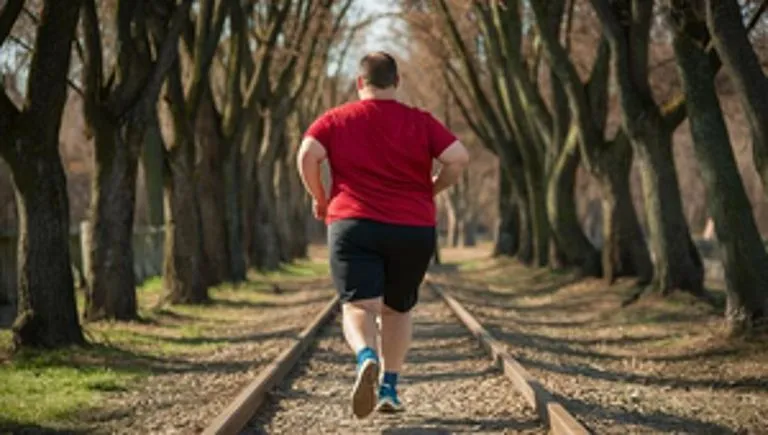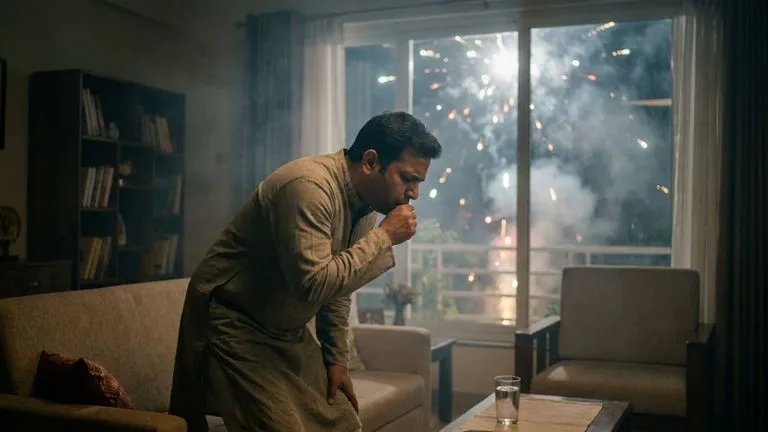
Diwali brings mithai boxes, festive gifting, and family meals. However, celebrations can also disrupt eating habits and daily routines. According to the ICMR-INDIAB study, an estimated 101 million Indians live with diabetes and 136 million with prediabetes. A national survey also found that among Indians aged 45 and above with diabetes, only 60.1% were aware of their condition, meaning nearly four in ten were living with diabetes without awareness. This shows that “diabetes” isn’t one condition, and knowing your type changes how you manage the festive season.
Understanding the difference
Type 1 diabetes usually occurs during childhood or early adulthood and has a sudden onset. It is not caused by eating sugar or living an unhealthy lifestyle. For people living with Type 1 diabetes, festive meals need planning around intake of carbohydrates and adjusting prescribed insulin doses accordingly. The focus should be on managing meals without guilt. In Type 2 diabetes, the body responds poorly to insulin. With time, the pancreas may also become unable to produce adequate insulin to maintain healthy blood glucose levels.
Type 2 accounts for the large majority of diabetes cases. Risk factors include age, family history, excess weight, particularly around the waist, physical inactivity, PCOS, and high blood pressure. It often develops gradually without noticeable symptoms, so many cases remain undiagnosed.
Insulin resistance is often an early warning sign. The body needs more insulin to help glucose enter cells. Initially, the pancreas compensates by producing more insulin, keeping blood glucose normal even as it works harder. This risk may be higher among South Asians, as research has found greater visceral and liver fat in young South Asians compared with peers of similar BMI. At this stage and during prediabetes, timely lifestyle changes can improve insulin sensitivity and, in some individuals, reverse or delay progression to Type 2 diabetes.
Why festive habits matter?
Sweets often arrive as gifts, making portions hard to control and making refusal socially awkward. Rich meals, late nights, and disrupted routines over several weeks can affect eating habits, physical activity, and sleep. Even sugar-free mithai may contain substantial carbohydrates and calories. For people with insulin resistance or prediabetes, repeated high-carbohydrate meals can make blood glucose management more challenging.
Testing before the feast
A useful step is to understand your baseline through an HbA1c test. This simple blood test requires no fasting, measures average blood glucose over the previous two to three months, and can be done through home sample collection. An HbA1c below 5.7% is considered normal, 5.7% to 6.4% indicates prediabetes, and 6.5% or above suggests diabetes. A doctor should confirm the diagnosis through appropriate testing.
A few days of festive eating will not meaningfully change HbA1c. Testing now provides a baseline, while repeating it around early February can help assess the broader festive period. If a doctor advises it, fasting glucose, fasting insulin, and a lipid profile can provide a fuller picture of metabolic health.
Testing is particularly important for people aged 40-45 and above, or those with a family history of diabetes, excess weight, PCOS, high blood pressure or cholesterol, previous gestational diabetes, or a sedentary lifestyle.
Enjoy the season MINDFULLY
A few simple habits can help people enjoy celebrations while maintaining healthier routines. Eat sweets after a meal instead of on an empty stomach, keep portions small, and share boxes. Include protein and fiber in your meals, stay hydrated, take a 10-to-15-minute walk after eating, and get sufficient sleep. If you take insulin or diabetes medication, follow your doctor’s advice and don’t skip prescribed doses. Festive occasions don’t have to bring fear or guilt. Knowing your risks, monitoring your numbers, and making smart choices will help you celebrate the season while staying healthy.