When environment can become a trigger for cancer
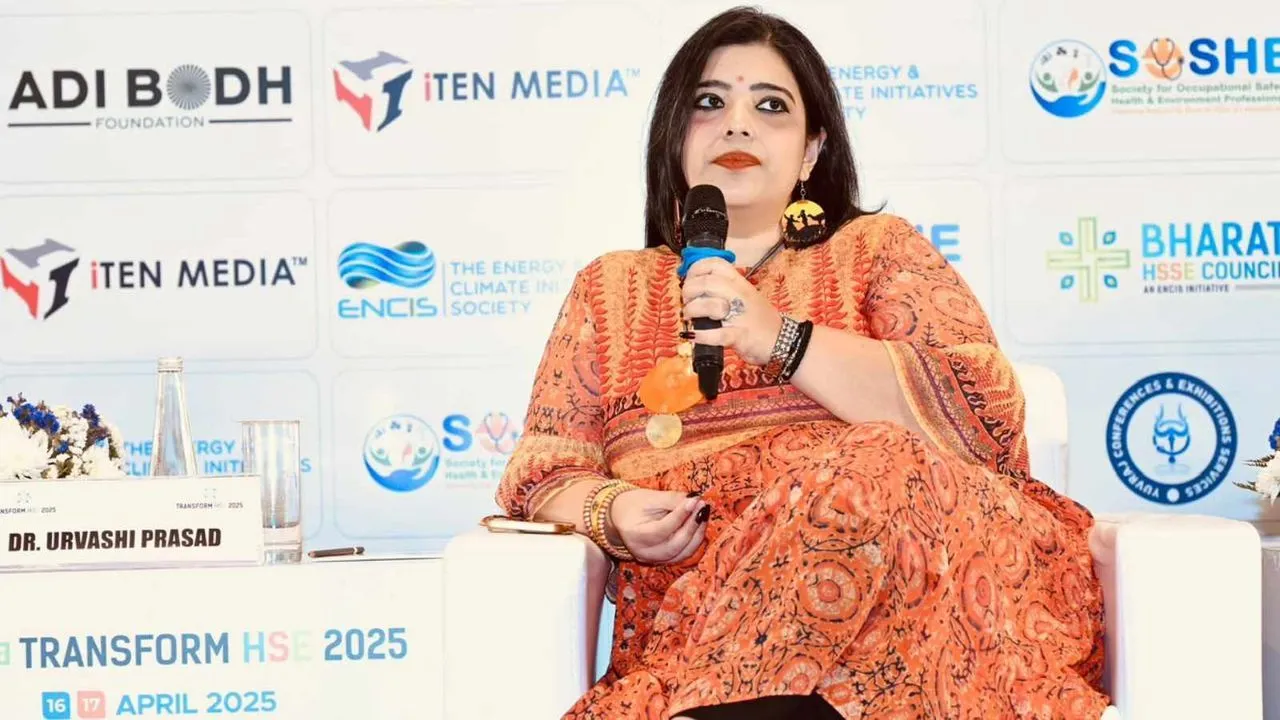
Urvashi has ALK-positive lung adenocarcinoma, a form of non-small-cell lung cancer associated with an abnormal genetic alteration known as an ALK rearrangement or gene fusion. The ALK gene is naturally present in the human body, but when a rearrangement occurs, it produces an abnormal protein that sends signals encouraging cancer cells to grow and multiply. ALK-positive lung cancer is often diagnosed in younger people, including those who have never smoked, challenging the assumption that lung cancer is primarily a smoker’s disease.
Research increasingly suggests that fine particulate matter can contribute to the development and progression of lung cancer. Studies have shown that PM2.5 can promote the growth of lung cells carrying certain pre-existing cancer-causing mutations.
Prasad’s diagnosis followed a confusing and difficult period. After her father’s death, she began experiencing fatigue, nausea, reduced appetite and a general feeling of being unwell. Initially, she attributed these symptoms to bereavement, while a doctor suspected a gastrointestinal infection. “An abdominal ultrasound revealed multiple lesions in my liver, and a PET scan confirmed that the cancer had spread to other organs. However, doctors struggled to identify its origin. A biopsy of a lymph node near my collarbone initially suggested stomach cancer. It was only after a specialist pathologist in Mumbai arranged molecular testing that the ALK alteration was identified and the correct diagnosis established,” she says. The delay highlighted how lung cancer can be overlooked in younger, non-smoking patients who do not fit the conventional profile.
Living with advanced cancer: Treatment becomes a full-time responsibility
Treatment has brought Urvashi’s cancer under control, effectively turning an advanced disease into a chronic condition. ALK-positive cancers can respond to targeted medicines called tyrosine kinase inhibitors, which block the abnormal protein driving cancer growth. Unlike conventional chemotherapy, these medicines are generally taken as oral tablets and specifically target the molecular alteration. While they can control the disease for extended periods, stage 4 cancer is generally not considered curable, and treatment and monitoring must continue.
For Prasad, living with cancer has become a full-time responsibility. She takes oral medication every day, alongside supportive medicines, and undergoes regular medical monitoring. “Treatment has brought considerable side effects, including weight gain, raised cholesterol, increased blood sugar, anaemia and central nervous system-related effects, as well as potential cardiac complications. These require additional medication and regular checks. Then there’s the financial and emotional burden of long-term treatment, despite medical insurance, which I had taken before diagnosis,” she says.
Her illness has changed her everyday life. She spends much of her time indoors, wears an N95 mask when she goes out and uses air purifiers to reduce exposure to pollution. Yet she questions why people should have to take such extraordinary precautions simply to breathe safely.
Can air pollution contribute to cancer?
Air pollution is an important part of the conversation Prasad wants India to have about cancer prevention. Fine particulate matter, particularly PM2.5, can penetrate deep into the lungs and enter the bloodstream. “Exposure is associated with oxidative stress, chronic inflammation and cellular and DNA damage, processes that can contribute to cancer development. Outdoor air pollution and particulate matter are recognised carcinogenic exposures, and research has linked pollution to lung cancer even among people who have never smoked. Cancer is multifactorial, and prevention must extend beyond individual choices to the environmental conditions that shape people’s health,” she argues.
The responsibility for prevention must, therefore, extend to governments and institutions, she feels.
Making the health impact visible
Drawing on her training in public health and life sciences, Prasad believes India does not need endless new studies to understand the dangers of air pollution. “There is already substantial scientific evidence; what is missing is action, implementation and accountability,” she says.
Through the PAVANA Centre for Air Pollution and Environmental Health, she wants to make the health and economic consequences of pollution more visible. This includes examining the impact of severe pollution episodes on healthcare, families and people who temporarily leave cities such as Delhi because of deteriorating air quality.
She argues that public concern tends to peak when Delhi is enveloped in winter smog and fades when the skies clear. “But the absence of visible haze does not mean that the air is safe. AQI figures alone do not communicate what exposure means for children’s lungs, cardiovascular health or people already living with illnesses. We’ve got to make pollution visible. Better links between air-quality monitoring and health data, along with public-facing information explaining PM2.5 and AQI in health terms, could help make the consequences tangible to citizens and policymakers,” she says.
She also points to the need for a national public-health approach to clean air, drawing lessons from India’s tobacco-control programme. Both tobacco and outdoor air pollution are recognised carcinogenic exposures. “Just as tobacco control required sustained public education, regulation and institutional accountability, air pollution needs a similarly visible and coordinated health campaign. The aim should be to make the health consequences as widely understood as the dangers of smoking round the year,” she says.
Putting health at the centre of India’s clean-air policy
Prasad’s policy demands are specific. She wants a stronger next phase of the National Clean Air Programme (NCAP), with health given a central place rather than being treated as a separate concern. The Health, Environment and Road Transport ministries must work together, ensuring that air pollution is addressed as a public-health issue and not merely an environmental or urban-management problem.
She wants a greater focus on PM2.5, rather than concentrating predominantly on PM10, with measurable targets and health indicators incorporated into the programme. These should include indicators such as respiratory illness, hospital admissions and the wider disease burden associated with pollution. The Central Pollution Control Board (CPCB) and state pollution control boards must also be made accountable for implementing existing laws and standards. In her view, policies and regulations already exist; enforcement remains the critical gap.
Prasad wants to change the lens of pollution from reactive to proactive. “The Graded Response Action Plan (GRAP), which is activated when air quality deteriorates, and curfews are inherently reactive. What can we do before? Environmental health and pollution should become part of school curricula, enabling children to influence attitudes and behaviour at home. Healthcare professionals should be better equipped to recognise environmental exposures as important health risk factors,” she says.
Citing how COVID-19 demonstrated that public behaviour can change when a health threat becomes visible with masks becoming commonplace, she calls for drastic action. “Protecting oneself from pollution is increasingly becoming an individual expense. People are expected to purchase air purifiers, wear N95 masks, keep windows shut or temporarily leave their cities. Pollution management has become an industry. When all that is needed is to implement laws as they are meant to,” says Prasad.
Her story is not simply about surviving cancer. It is about using a deeply personal experience to challenge assumptions about who develops lung cancer and to demand greater recognition of the environmental triggers that are increasing daily.