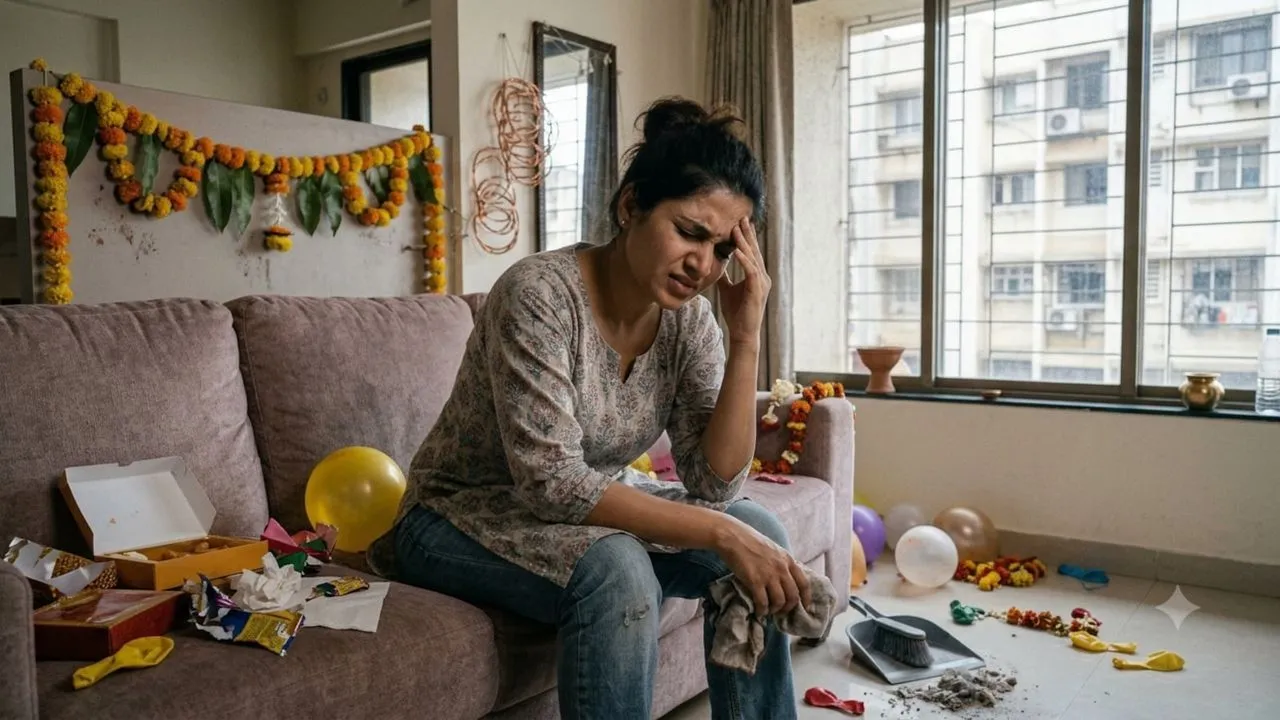
Diwali celebrations involve feasting, quality time with family, late nights and a lot of festive foods. Post celebrations, some women may experience fatigue, bloating, insomnia, mood changes or menstrual symptoms changes. The question that arises here is whether a few days of party eating and late nights will affect the hormonal health?
The menstrual cycle is governed by a signal mechanism between the brain and the ovaries through hormones such as oestrogen and progesterone. Factors such as stress, sleep, nutrition and exercise can impact the mechanism. However, eating sweets and staying up late for a few days doesn't necessarily cause hormonal imbalance.
There is no medical requirement for a detoxification process or a hormonal reset post Diwali celebrations. Returning to healthy and consistent routine practices makes sense.
What effects can festive activities have on menstrual health?
1. Changes in eating patterns and metabolic health
Festive meals often include sweets, refined carbohydrates, fried snacks and calorie dense foods. Irregular meal timings and reduced physical activity is sometimes also part of the package. Occasional indulgence is not harmful in itself, but prolonged changes in dietary habits can affect glucose metabolism, insulin sensitivity and inflammation .
These factors are especially important for women with polycystic ovary syndrome (PCOS), where insulin resistance may be a factor in metabolic and reproductive problems. A well-rounded diet can help support overall metabolic health and help manage the condition.
READ | Shweta Tiwari's Trainer Says That She Performs Some Form Of Physical Activity Everyday: Importance Of Working Out In Your 40s
2. Disrupted sleep
Late night celebrations, traveling and irregular sleep schedule can upset the body's sleep-wake cycle. Getting enough sleep helps the body recover and is good for emotional health and hormone balance.
In a review conducted in BMC Women's Health, 35 studies were analyzed and a connection between sleep disorders and menstruation problems was found. Although staying up late for a few days does not necessarily affect a woman's menstrual cycle, regular sleep disturbances can result in additional fatigue and worsen the symptoms.
3. Increased stress
The planning of celebrations, traveling and returning to work can be physically and emotionally stressful. The body's stress-response system, the hypothalamic-pituitary-adrenal (HPA) axis, is tied to the reproductive hormone system. Serious or chronic stress may interfere with the signals that are involved in ovulation and menstrual cycle regularity.
A systematic review of 41 studies found that the majority of the studies reported an association between psychological stress and menstrual irregularities. However, stress affects women differently and a stressful week does not automatically mean a delayed period.
READ | Hailey Bieber Experienced Premenstrual Dysphoric Disorder After Son's Birth: Symptoms, Causes, Risks Explained
4. The gut-brain-hormone connection
The gut and brain are constantly in communication along the so-called gut-brain axis. Diet, lack of sleep and stress changes can all affect digestion and gut health. These processes are also associated with metabolic signaling and general hormonal regulation.
Eating a range of foods that are high in fiber and rich in nutrients such as fruits, vegetables and other foods helps the gut and overall health.
What symptoms should women watch out for?
After a change in routine, women may notice:
Temporary bloating and digestive discomfort can be caused due to changes in food choices, meal times and activity levels
A busy schedule and lack of sleep can make women feel more fatigued than normal
Mood swings, stress and lack of sleep can make you irritable, anxious and unable to focus
Some women get acne or more oiliness at certain times in their menstrual cycle
Changes in routine may be related to changes in cramps, breast tenderness or premenstrual symptoms
Persistent or worsening concerns should not simply be dismissed as the result of festive indulgence
Five practical ways to restore a healthy routine
A hormonal reset should mean restoration, not restriction. Women can focus on these simple habits:
Prioritise sleep: Try to sleep at least seven hours each night and maintain consistent sleeping and waking times.
Choose balanced meals: Have a meal which includes whole grains, pulses, vegetables, fruits, adequate protein, nuts and seeds.
Stay physically active: Exercise after meals is important like walking, cycling, swimming or yoga.
Stay hydrated and manage stress: Drink adequate water and do activities like meditation, breathing exercises and stretching in your routine.
Track menstrual cycles: Record period dates, cycle length, bleeding patterns and symptoms to identify recurring changes.
It is equally important to avoid crash diets, excessive exercise or detox programmes to compensate for festive eating. One or two indulgent meals do not determine your hormonal health.
When should women consult a gynaecologist?
An occasional delayed period may not be a cause for concern. But if you miss your period several times in a row, if the bleeding is unusually heavy, if the pain of menstruation is severe, if symptoms such as acne and unusual hair growth persist, it's time to see a doctor.
Conditions such as PCOS, thyroid problems and endometriosis can cause changes in your menstrual cycle. It is important to get a proper medical assessment to identify the underlying cause rather than relying on over-the-counter supplements or restrictive diets.
READ | Is There A Link Between Insulin Resistance And Irregular Ovulation? Expert Explains
Enjoy festivals without guilt
Hormonal health is not about depriving yourself of favourite foods or maintaining a perfect routine every day. "Nutrition, sleep, stress and physical activity all play a role in metabolic and reproductive health. The body works in systems.
The point of festivals is enjoyment, not fear. The secret is to consciously enjoy parties, and then return to sustainable habits. It's about balance, not extremes, with your body, and its everyday lifestyle choices in consistency that count far more than perfection for a few festive days.
(By Dr Snehal Kohale, Gynaecologist and Fertility-IVF Expert, Ova Fertility and Women Care, Tieten Medicity, Kasarvadavali, Thane)