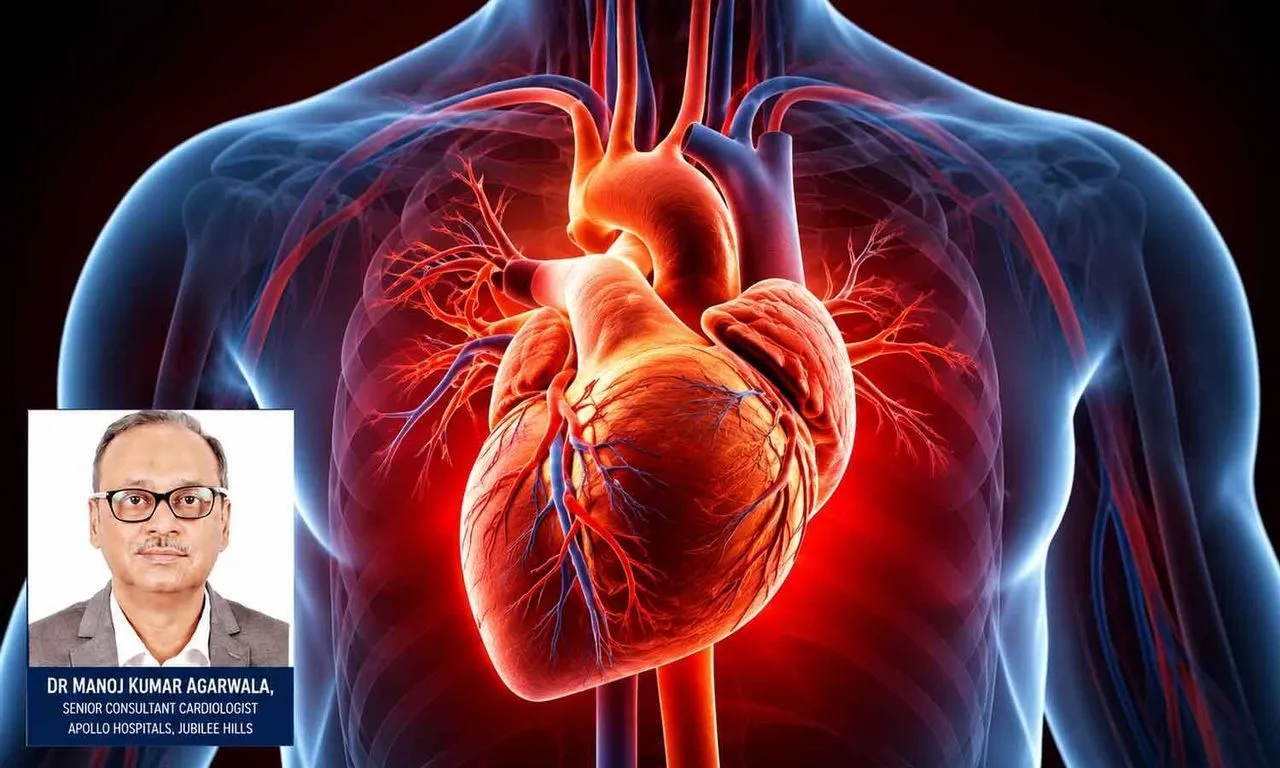
Hyderabad: Heart disease can remain undetected for years without showing obvious symptoms and may eventually lead to serious complications such as heart attacks and strokes, said Dr Manoj Kumar Agarwala, Senior Consultant Cardiologist, Apollo Hospitals, Jubilee Hills.
He cautioned that heart disease does not always present with severe chest pain and that seemingly minor symptoms such as unexplained fatigue, breathlessness, dizziness and palpitations should not be ignored. “Heart health should not be addressed only after a problem develops. Prevention has to begin much earlier. High blood pressure, diabetes, high cholesterol, obesity, smoking, physical inactivity, unhealthy eating habits, chronic stress and inadequate sleep can gradually damage the heart and blood vessels,” he said.
Dr Agarwala emphasised the importance of regularly monitoring blood pressure, blood sugar and cholesterol levels, particularly among people with a family history of cardiovascular disease or other risk factors. He recommended regular physical activity, a balanced diet comprising vegetables, fruits, whole grains and adequate protein, maintaining a healthy weight, avoiding tobacco and limiting alcohol consumption to reduce the risk of heart disease.
The cardiologist also warned against overlooking unusual symptoms such as chest discomfort or pressure, excessive sweating, breathlessness, unexplained tiredness and pain radiating to the arms, shoulders, back, neck or jaw, particularly during physical activity.
“Time is critical during a cardiac emergency. If symptoms suggestive of a heart attack appear, people should not wait for them to disappear or resort to self-medication. They must seek emergency medical attention immediately,” he advised. He encouraged families to incorporate simple lifestyle changes, including daily walking, using stairs instead of lifts, reducing processed and high-salt foods, managing stress and ensuring adequate sleep.
“Every heartbeat matters. Prevention is the best approach to tackling heart disease. Recognising warning signs, controlling risk factors and making healthy choices every day can go a long way in protecting heart health,” Dr Agarwala said.