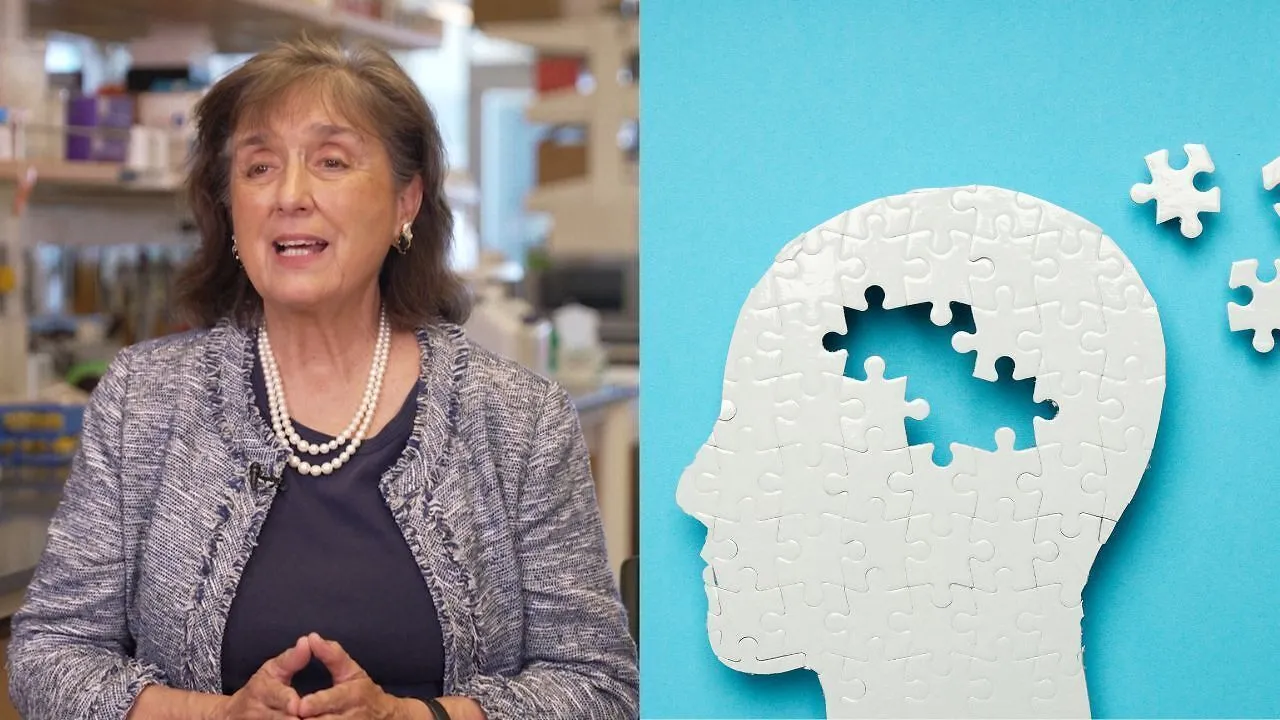
US Expert On Menopause. (Image: AP/Canva)
Menopause is often associated with hot flashes, night sweats, mood swings and sleep disturbances. However, the hormonal transition may have implications that go beyond these familiar symptoms. Emerging research suggests that menopause could also mark an important turning point in women's brain health, potentially influencing their risk of developing Alzheimer's disease later in life.
In an interview, Brinton, Regents Professor at the University of Arizona and director of its Center for Innovation in Brain Science, explained how declining oestrogen levels may affect the brain's ability to produce energy and potentially contribute to changes associated with Alzheimer's disease.
Also Read: Top US Expert Answers If ChatGPT Can Diagnose Your Symptoms Accurately
"Most people think that more women have Alzheimer's disease than men because women live longer than men by about four years," she said. However, her research suggests that longevity alone may not explain the difference. "It's because the disease can start earlier. During the menopausal transition, the brain undergoes this transition in multiple systems of biology that are regulating brain function."
How Falling Oestrogen Levels May Affect The Brain?
According to Brinton, one of the key changes during menopause is the way the brain uses glucose, its primary source of energy. Oestrogen plays an important role in helping the brain transport glucose and convert it into energy. As oestrogen levels decline during menopause, this process may become less efficient.
She explained that oestrogen promotes the brain's ability to use glucose as its primary fuel by around 20 to 25 per cent. Its decline can lead to an approximately 20 per cent reduction in the brain's ability to convert glucose into energy.
This, in turn, activates what Brinton describes as a starvation response. The brain begins relying more on lipids, or fats, as an alternative energy source to maintain its functioning.
"The utilization of lipids as an auxiliary fuel can be that bridge that sustains brain function and energy requirements during this period of starvation," she explained.
However, the concern, according to the neuroscientist, is that this temporary adjustment may continue for years. As oestrogen levels remain lower after menopause, the brain may have to depend on alternative energy sources over a much longer period.
Brinton believes that this prolonged metabolic shift could create conditions that increase the risk of Alzheimer's disease later in life. This does not mean every woman going through menopause will develop Alzheimer's, but it highlights why midlife brain health deserves greater attention.
Are Hot Flashes A Signal From The Brain?
One of the more interesting aspects of Brinton's research is her explanation of menopausal hot flashes. While these are generally understood as a common symptom of hormonal changes, her team is investigating whether they could also reflect changes in the brain's energy metabolism. "We're about to submit our work, research, showing that the menopausal hot flash is actually a brain hot flash," she said.
According to Brinton, the heat experienced during a hot flash may originate in the brain. The body then releases this heat through a process called vasodilation, in which blood vessels widen. She believes these episodes could be a signal that the brain is adapting to changes in its energy supply.
"Women should take the hot flash seriously, because that hot flash is a message to that woman from her brain," she said.
While this is an emerging research perspective and not an established clinical explanation for hot flashes, it raises interesting questions about the relationship between menopause symptoms and long-term brain health.
What Can Women Do To Protect Brain Health?
Brinton believes midlife is an important period for women to pay attention to factors that influence brain health. Maintaining healthy glucose metabolism is one of her key recommendations.
She pointed out that type 2 diabetes is associated with an increased risk of Alzheimer's disease. According to her, research has found that diabetes medications can reduce Alzheimer's risk in both men and women, potentially by helping maintain the body's glucose regulation. Managing blood pressure and cholesterol is equally important. Brinton highlighted research suggesting that antihypertensive medications and statins are associated with a lower risk of developing Alzheimer's disease.
She also discussed her team's work on developing a menopause intervention for hot flashes called PhytoSERM. The plant-based formulation is designed to selectively target oestrogen receptor beta, with the aim of supporting brain health without stimulating breast tissue in the same way as conventional oestrogen.
Also Read: Top US Experts Raise Alarm As Flesh-Eating Screwworm Return After 30 Years
Brinton explained that around 80 per cent of women choose not to undergo menopausal hormone therapy because of concerns about breast cancer. Her team's research aims to address these concerns while exploring ways to support women's brain health.
However, PhytoSERM is an investigational approach and should not be considered an established treatment for preventing Alzheimer's disease.
The larger message from Brinton's research is that women's brain health needs attention much earlier than the age at which Alzheimer's symptoms typically appear. Menopause may be an important window to understand these changes, manage existing health conditions and make informed decisions about long-term wellbeing.
Latest News
Akanksha Arora author
Senior Copy Editor at Times Network, Akanksha Arora covers Lifestyle, Culture and everything that falls under its big umbrella. When not writing, she ... View More
News
Health
End of Article