• Marking World Diabetes Day 2026 on November 14, the World Health Organisation (WHO) issued its first guidelines on the diagnosis and management of type 1 diabetes in adults, with recommendations designed to apply across all settings, including low-resource, emergency and humanitarian settings.
• The 2026 World Diabetes Day focuses on “Early action on diabetes”.
Some facts on diabetes:
• Diabetes is a chronic disease, which occurs when the pancreas does not produce enough insulin, or when the body cannot effectively use the insulin it produces. This leads to an increased concentration of glucose in the blood (hyperglycaemia).
• The technical name for diabetes is diabetes mellitus.
• Type 1 diabetes (earlier known as insulin-dependent or childhood-onset diabetes) is characterised by a lack of insulin production. Type 1 diabetes is a chronic condition in which the pancreas produces little or no insulin by itself.
• Type 2 diabetes (earlier known as non-insulin-dependent or adult-onset diabetes) is caused by the body's ineffective use of insulin. It often results from excess body weight and physical inactivity. Type 2 diabetes occurs when the body becomes resistant to insulin or doesn’t make enough insulin.
• Gestational diabetes is hyperglycaemia that is first recognised during pregnancy. It can lead to serious health risks for both the mother and child.
• The rising prevalence of diabetes and other noncommunicable diseases is driven by a combination of factors — rapid urbanisation, sedentary lifestyles, unhealthy diets, tobacco use, and increasing life expectancy.
• Obesity and being overweight are the most important risk factors responsible for diabetes. Much of the diabetes burden can be prevented or delayed by behavioural changes favouring a healthy diet and regular physical activity.
• Diabetes can lead to serious complications, including blindness, kidney failure, heart attacks, stroke, and lower-limb amputation.
• The global burden of diabetes has more than quadrupled since 1990. In 2022, 830 million people were living with diabetes worldwide, the majority with type 2 diabetes.
• More than 40 per cent of people with diabetes are unaware that they have the condition and therefore remain undiagnosed.
Key points of the guidelines:
• More than 100 years after the discovery of insulin, many people living with type 1 diabetes still cannot access the insulin and care they need to survive.
• Type 1 diabetes is a lifelong condition in which the body does not produce enough insulin, making people dependent on daily insulin to survive.
• In 2025, around 9.5 million people lived with type 1 diabetes globally, with an additional 500,000 diagnosed in the same year.
• While often considered primarily a childhood condition, type 1 diabetes is increasingly affecting adults.
• In the new guidelines, WHO recommends that people with type 1 diabetes receive insulin injections several times per day, with doses adjusted to blood glucose levels.
• Human insulin, a manufactured medicine that works like insulin naturally produced by the human body, is an appropriate and effective option. Other types of insulin can be used when needed.
• The guidelines recommend regular monitoring of blood glucose levels. At clinics, this can include a regular blood test that shows average blood sugar levels over the past few months.
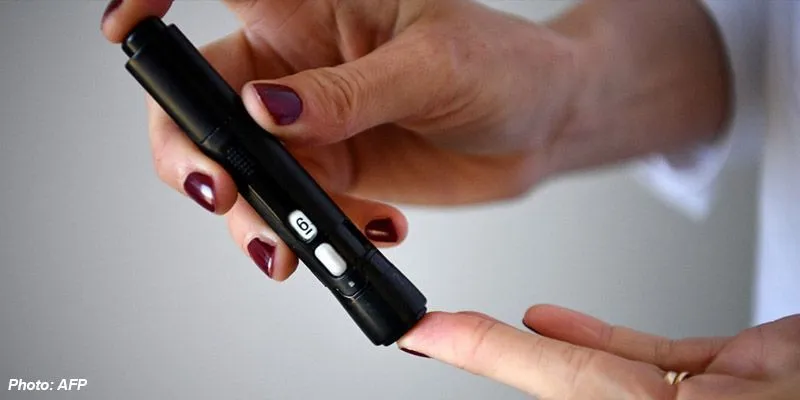
• At home, people can check their own levels with a finger prick test or a continuous glucose monitor, through a small sensor worn on the skin. Where blood glucose testing is not available, urine glucose testing can be considered.
• The new guidelines support efforts to achieve WHO targets to ensure that all people with type 1 diabetes have access to affordable insulin treatment and blood glucose self-monitoring by 2030.