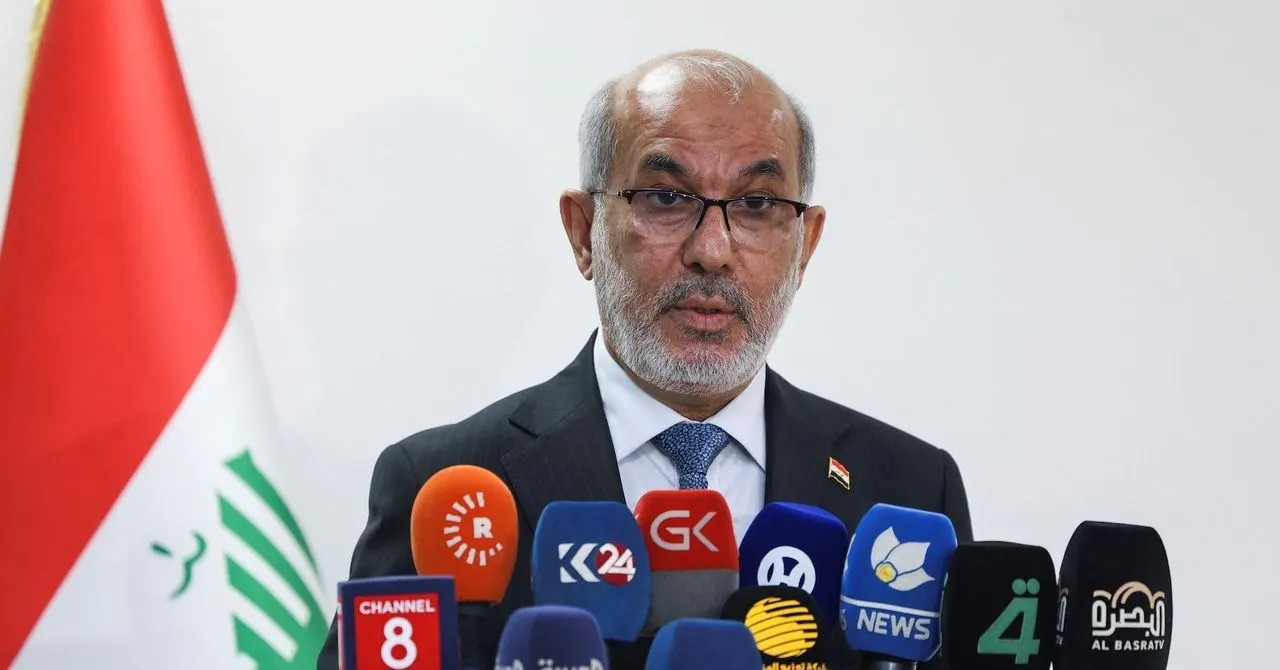
Nov 17 (Reuters) - Iraq has resumed the pumping of crude oil for export purposes through the Kirkuk-Ceyhan pipeline to Turkey at an initial capacity of 120,000 barrels per day, with plans to gradually increase flows to 500,000 bpd, the country's oil minister said on Tuesday.
The reopening of the pipeline, which has been shut for more than a decade, provides Iraq with an additional export route for oil from the north of the country, alongside a pipeline from the Kurdistan region, reducing its reliance on southern terminals and shipments through the Strait of Hormuz.
Sign up here.
OPEC's second-largest producer has been working to find alternative export routes for its oil since the strait, its usual outlet, was disrupted by the Iran war.
The overall impact on Iraq's exports from the reopening of the Kirkuk-Ceyhan pipeline will depend on available supplies and whether the volumes come in addition to existing shipments.
Exports via the 960-km pipeline, which once handled about 0.5% of global supply, were halted in 2014 after repeated attacks by Islamic State militants.
Reporting by Muayad Hameed and Ahmed Rasheed, writing by Yomna Ehab; Editing by Kirsten Donovan