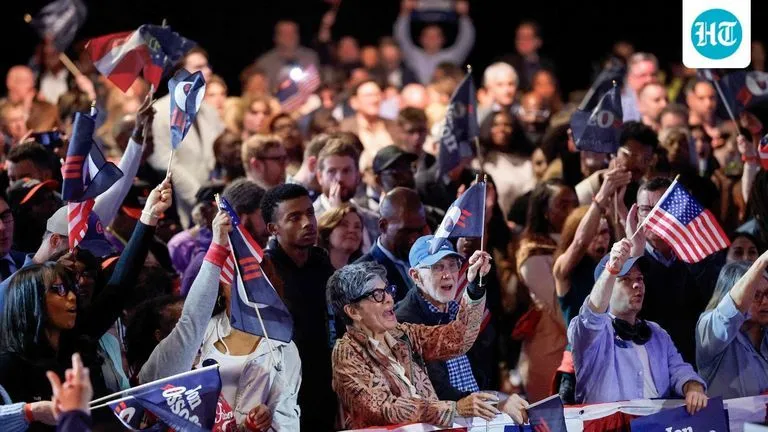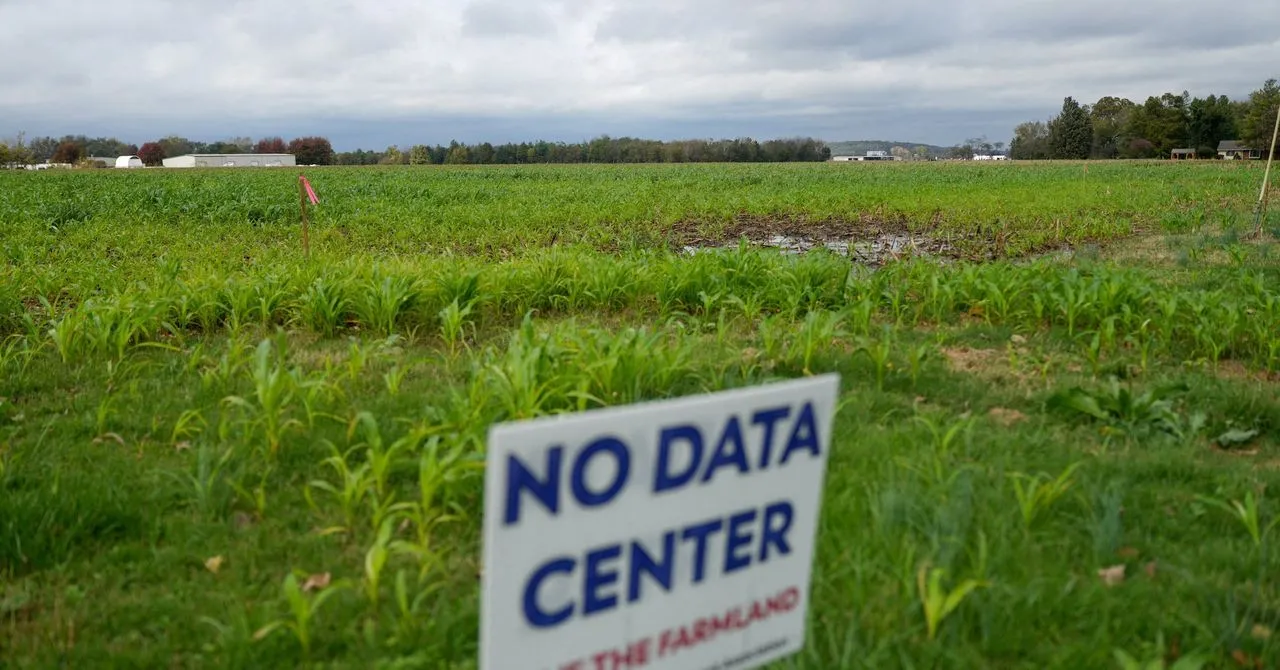
HONG KONG/LONDON, Nov 4 (Reuters) - Data center opponents were among the biggest winners of the Democrats' landslide victories in the US midterm elections, pointing to a shifting public mood on AI and, investors said, a possible slowdown of the boom that has propelled US economic growth and stock markets.
The size and breadth of the Democratic wave were still coming into focus on Wednesday. But in gubernatorial races in Texas and Georgia, Democrats who campaigned in part on a moratorium on data center development won offices that the party has not held for decades.
Sign up here.
Their victories hand political heft to opponents of the projects, which are at the heart of the AI boom but are loud, thirsty for water, hungry for electricity and increasingly unpopular with their neighbours, investors said.
Investors said the results are likely to usher in tougher regulation and could ripple across financial markets where AI stocks were falling on Wednesday; big bets have already started to wobble due to concerns about spending and overcapacity.
"In our view, the significance of these midterm elections is more like a referendum on AI than a referendum on (Donald) Trump," said Aidan Yao, a senior investment strategist at the Amundi Investment Institute, the research arm of Europe's largest asset manager.
"If the AI theme is subject to some restrictions, then the US economy, US inflation and US monetary policy all become very, very uncertain."
In the mix too is the upcoming IPO of Anthropic, which is preparing to begin formally marketing shares to prospective investors next week. An amended regulatory filing on Monday showed Anthropic's net loss narrowed in the third quarter, as revenue surged 47% from a quarter earlier to $16.96 billion, though the pace of growth slowed.
TEXAS SWEEP
The most stunning ballot box repudiation was in Texas, which GLJ Research has estimated accounts for about a quarter of US data center capacity due to come online by 2030.
But Democrat Gina Hinojosa ousted Greg Abbott as governor in an upset that ended three decades of Republican hold on the office, while fellow party member James Talarico became the senator-elect.
But even Republicans turned against data centers, which opponents say drive up utility bills, pollute the night sky with lights and do not create sufficient jobs or taxes to justify the incentives that states pay.
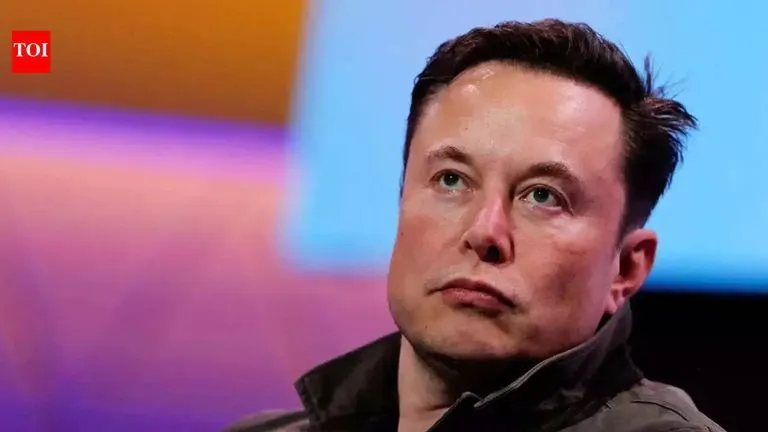
"Data centres in space looking pretty appealing right now," Musk said on social media after the election.
Goldman Sachs said Democratic statehouse victories in Texas, Michigan and Georgia could put roughly 45% of planned US data center capacity at risk from potential construction moratoria, tighter regulations and reduced tax incentives.
In Georgia, where commercial real estate services and investment firm CBRE says Atlanta is the most active data center construction market in the country, Democrat Keisha Lance Bottoms won the gubernatorial contest, ending more than two decades of Republican control.
How widely the data center and AI business is affected remains to be seen, HSBC analysts Max Kettner and Duncan Toms wrote.
"One possible – and entirely feasible – scenario is that we won’t see broad-based data center moratoriums but rather more regulations/higher oversight on data centers," they said. "Another one is that data centers simply move from Texas to other states."
THE AI TRADE
AI growth has driven stocks higher this year due to bets on chip demand while pushing up bond yields, as the data center construction boom boosts economic growth.
Tommaso Leodari, Dubai-based chief investment officer of hedge fund Index & Cie, said the risks for data centers were difficult to predict, given their vital role in America's competition with China.
"I do not foresee limitations, higher taxes, or other kinds of opposition to the force behind a new industrial revolution for the US. I consider that Dems are going to continue being more moderate than before, so any fury will be directed at Trump and his team, not at a new industry that can save American imperialism," he said.
Reporting by Jiaxing Li and Selena Li; Writing by Tom Westbrook; Additional reporting by Tom Westbrook, Amanda Cooper, Sruthi Shankar, Vidya Ranganathan; Editing by Thomas Derpinghaus and David Gaffen