Synopsis
Mars and Jupiter converge in the eastern sky before sunrise on November 15 and appear especially close the following morning.
Both events are visible without a telescope, but they call for different viewing times.
You’ll need two different plans for this week’s sky shows. Stay out late for a chance to see a fireball. Set an early alarm to watch reddish Mars close in on much brighter Jupiter.
The Northern Taurid meteor shower peaks overnight November 11–12. By Sunday morning, November 15, Mars and Jupiter will already look close in the eastern sky. They’ll be especially close before dawn Monday, November 16. The meteors and the planetary pairing are separate events, and neither requires a telescope.
When can you see Northern Taurid fireballs?
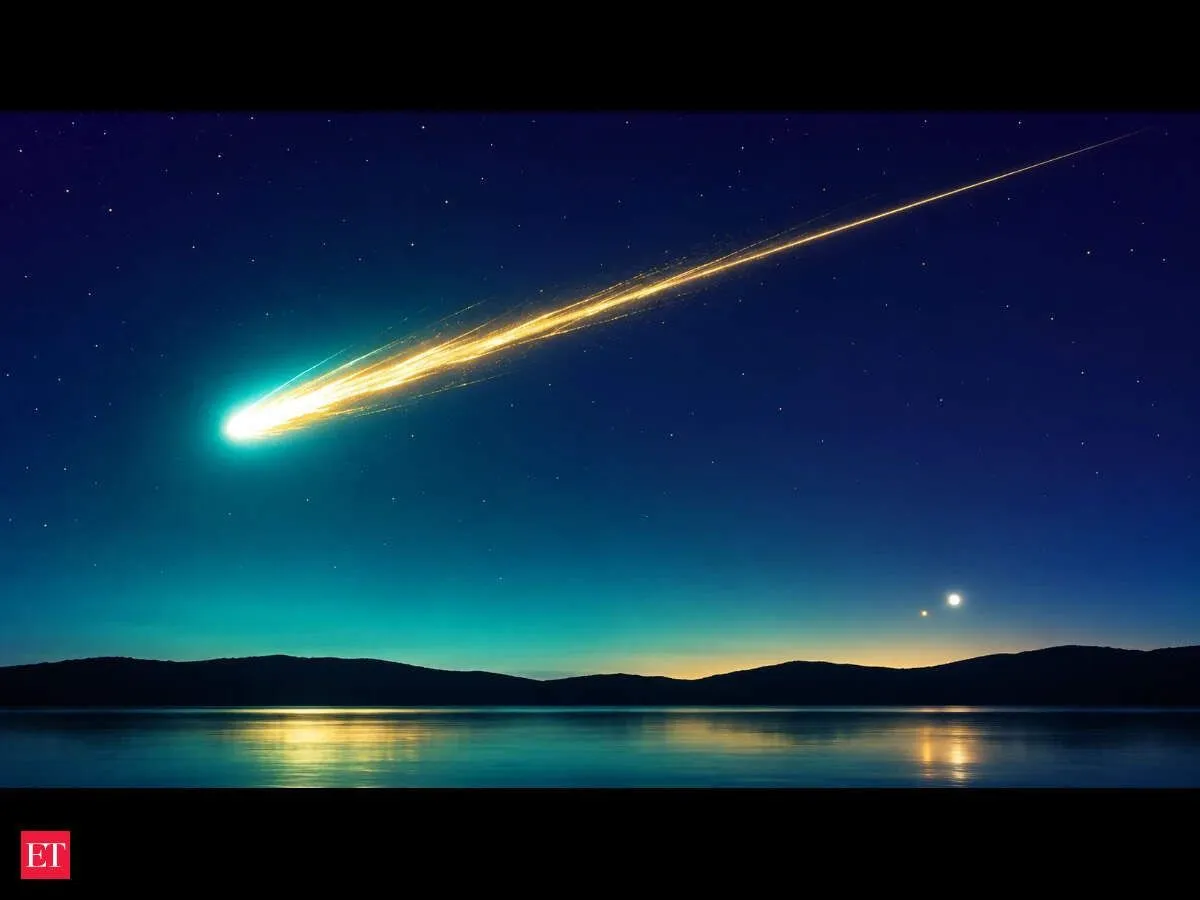
Wednesday night into Thursday morning is the time to watch, so skywatchers should be alert. The Northern Taurids are a modest shower, with up to about five meteors an hour under ideal conditions. The best about this shower is the fireball, which appears occasionally. It is a meteor bright enough to make a long stretch of waiting worthwhile. The Moon will be a thin crescent near the peak, so there should be little interference from moonlight on the shower.
Pick a dark spot away from streetlights and give your eyes time to adjust. Although the meteors appear to come from Taurus, they can streak across any part of the sky. Keep as much of it in view as you can. If clouds spoil peak night, the shower will still be active on surrounding nights.
Live Events
You Might Also Like:
Mercury retrograde ends November 13. These 3 zodiac signs could get a second shot at getting their finances in order
When do Mars and Jupiter converge?
According to a report by Forbes, you should look east about an hour before sunrise on Sunday, November 15. Find Jupiter first. It’s the brighter of the two. Mars will look like a smaller, reddish point nearby, with the bright star Regulus in the same part of the sky. Look again on Monday morning to see the pair even closer.
The planets only look close from Earth. Their apparent pairing is a line-of-sight effect, so there’s no need to catch an exact minute to enjoy it. If Sunday is clear and Monday looks cloudy, take the Sunday view.
What else is worth looking for this week?
On Tuesday, November 10, look low in the east-southeast before sunrise. Bright Venus will appear almost to touch Spica, the brightest star in Virgo. The pair will be separated by about a tenth of a degree.
Prefer an evening outing? You can look southwest shortly after sunset Friday, November 13. You may see a faint glow across the dark part of the crescent Moon. It’s called earthshine, and it happens when sunlight bounces off Earth and lights up the lunar surface.
FAQs
When do the Northern Taurids peak in 2026?
Overnight Wednesday, November 11, into Thursday, November 12.
Am I guaranteed to see a fireball?
No. Fireballs are occasional, even near the shower’s peak.
(You can now subscribe to our Economic Times WhatsApp channel)
(Catch all the US News, UK News, Canada News, International Breaking News Events, and Latest News Updates on The Economic Times.)
Download The Economic Times News App to get Daily International News Updates.
...moreless
(You can now subscribe to our Economic Times WhatsApp channel)
(Catch all the US News, UK News, Canada News, International Breaking News Events, and Latest News Updates on The Economic Times.)
Download The Economic Times News App to get Daily International News Updates.
...moreless