On a breezy evening in 2017, as conversations flowed and so did the drinks at a dinner party, Tanvie Hans was asked an all-too-familiar question at the table: “Hey, can you teach me how to play football?”
For the Indian-born British footballer, who played professionally in England, it was an easy yes.
After a little planning and some back-and-forth messages 17 women – mostly friends and acquaintances – turned up for Hans’ first football lesson on a Sunday morning in the southern Indian metropolis of Bengaluru, eager to discover the joy of the sport.
Nine years on from that impromptu football session, the group has grown into a community of 20,000 women across India. They may not be sisters by blood, but they are the Sisters in Sweat. Co-founded by Hans and the performance coach Swetha Subbiah, Sisters in Sweat is India’s largest women-first sports community, built to help women move more, play more and connect through a variety of sports.
From Chandigarh in the north to Chennai in the south, the initiative now spans 10 Indian cities, with football among its most popular offerings. “It wasn’t something that Swetha and I sat down to plan or even recognised was a gap in the market,” Hans, a former Tottenham and Fulham midfielder, tells Moving the Goalposts.
“But the moment we started these sessions they became successful and the community kept growing organically. That’s when we recognised that we were catering to an audience that is not being catered to in this way. And who better to do it than two women who are experts in the field?”
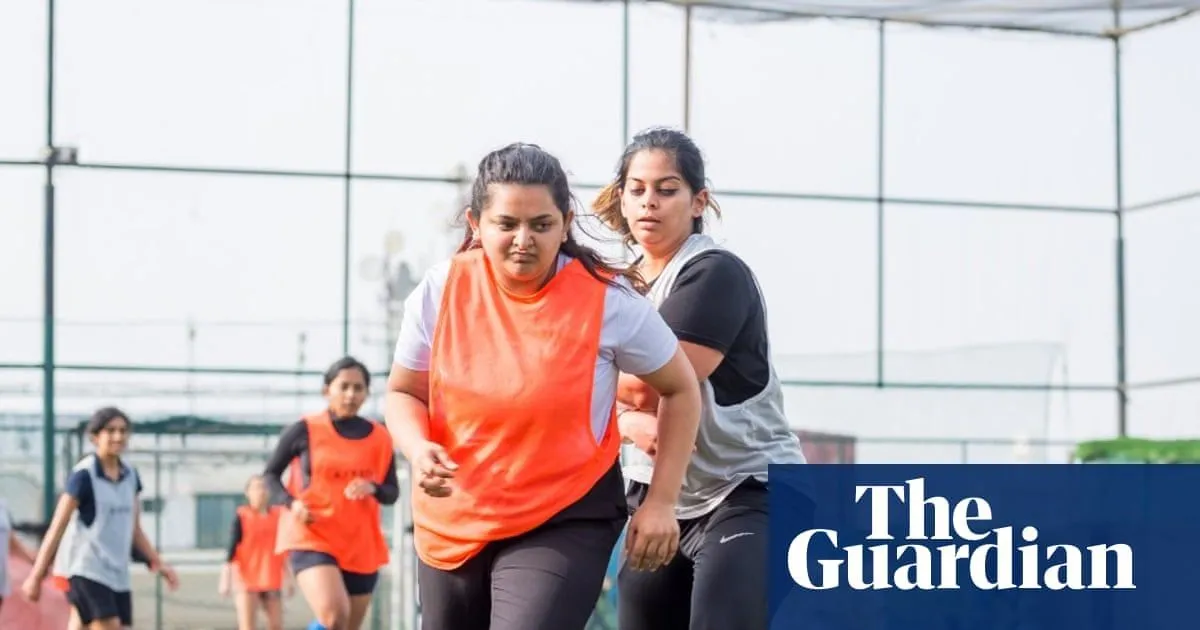
At Sisters in Sweat, coach-led football sessions are conducted two to three times a week, with participants free to choose between beginner and intermediate sessions, depending on their level of ability. The entry fee starts at about 300 Indian rupees – just under £2.50 – and women of all ages are welcome. You could be trying football for the first time, getting back to it or simply looking for a fun way to stay active.
The format is pretty simple, and the same one Hans and Subbiah used at their first gathering in 2017. The session begins with a quick huddle; everyone introduces themselves and the coach explains what to expect in the next 90 minutes. A warm-up follows before partner or group drills help break the ice within the group, which often features new faces every week. There is music playing in the background to create a celebratory mood and the session ends with a quick and easy 30-minute game of football.
A first-time participant often leaves with a smile, having ticked off a workout while meeting a bunch of strangers who they can now call friends. “You feel like, ‘Oh, I can actually play football and want to get better. I can’t wait to come back for the next session’,” Hans says. “Honestly, just being at the session opens doors for connection. It happens very naturally, and by the end of 90 minutes, you feel you belong here.”
Beyond nurturing new connections, Sisters in Sweat offers women something increasingly rare in India’s densely populated tier 1 cities: access to third spaces where they can show up and move their bodies without fear of judgment or safety concerns. With India’s fitness market projected to grow from $12.3bn (£9.2bn) in 2024 to $23.2bn by 2030 – an 88.6% increase over six years – Sisters in Sweat’s growth and expansion reflect the broader industry trend.
“My cousin, who is from the UK, was actively involved in our Sisters in Sweat sessions while she was in India on holiday. But after she returned to the UK, she wasn’t able to find a community like that,” Subbiah says. “I have heard the same thing from friends in Singapore and other countries. So, I think we, in many ways, have been the first movers to identify this.”
At the heart of Sisters in Sweat’s aim is to fill the gaping hole left by Indian women dropping out of sport, especially after school or college. In the country’s deeply patriarchal social structure, many women are often discouraged from venturing outdoors alone or playing sport recreationally. For many, having the freedom to stay out late at night is a distant dream or a luxury, at best.
“Once a woman leaves her role as a student, she moves on to her next role in life, which is typically becoming a wife,” Subbiah, who has been a Nike coach for over a decade, says. “Then she takes on all the household duties. Add a kid into the mix, and her personal time is minimised.
“There is also immense pressure on a lot of Indian women not to go out or play outdoors because they could catch a tan and look less appealing. A lot of the work we’ve done is to push past these social constructs and say, “Get a tan, it’s beautiful. Come out and play with us, you’ll feel great.”
Get in touch
If you have any questions or comments about any of our newsletters please email moving.goalposts@theguardian.com.