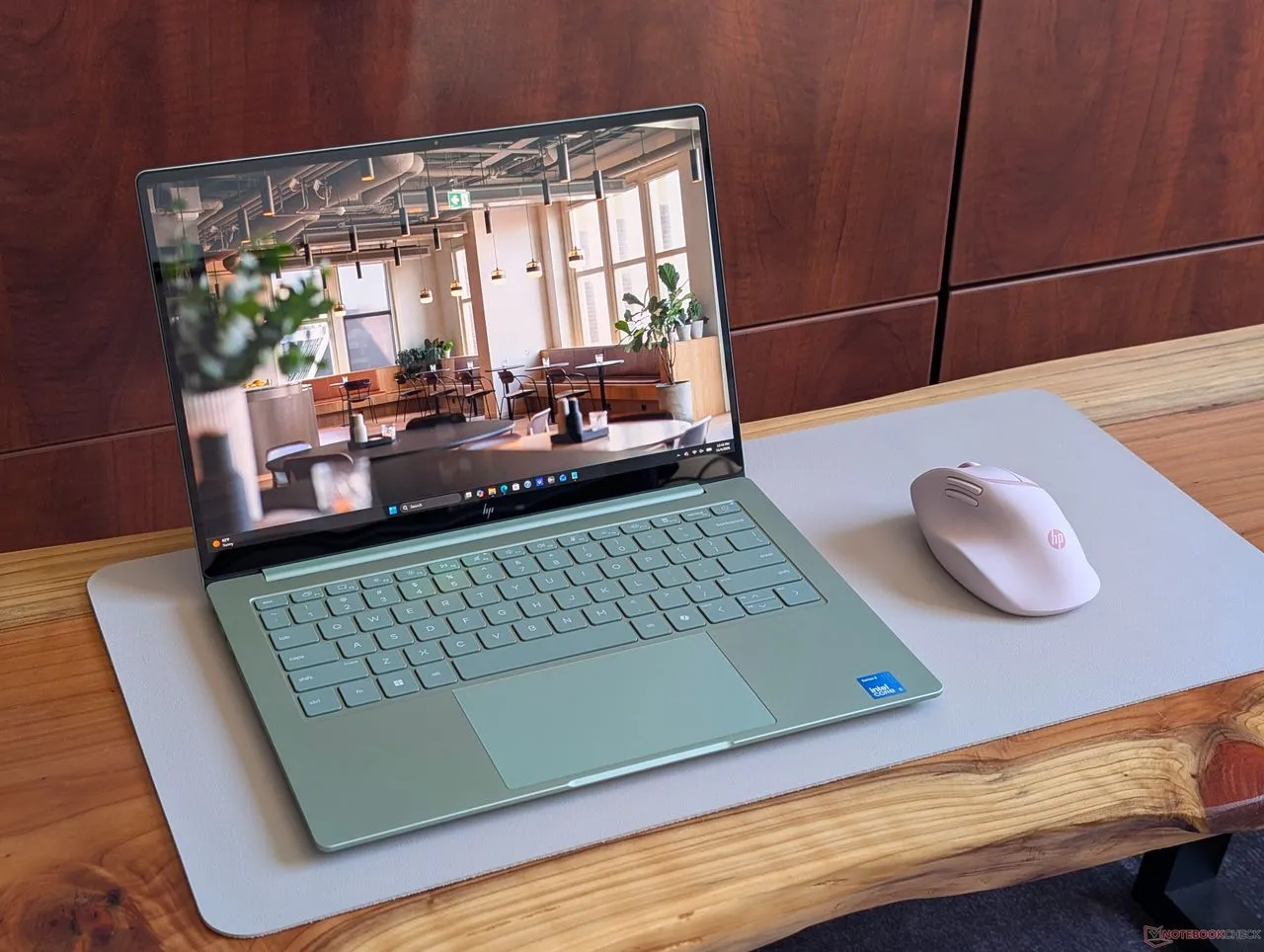
One of the best things about the MacBook Neo was that it upped the ante for what consumers can now expect from affordable laptops. Dell would follow up soon after with the 13-inch XPS Wildcat which earned a lot of praise for its high-end looks and great display considering the low entry price. Similarly, the HP OmniBook 5 14 is easily one of the company's best laptops in the sub $1000 category right now.
Simply stating that the OmniBook 5 14 is ultrathin and lightweight doesn't do it any justice as it feels and looks surprisingly good in the hand for such an inexpensive system. Even the cheapest $700 configuration comes with 16 GB of RAM and an OLED P3 touchscreen which is more than what we can say for the XPS 13 Wildcat. For general schoolwork, streaming, traveling, and web browsing, the new OmniBook is tough to beat for the price.
Arguably the biggest drawback to the system isn't related to the HP hardware at all but to the Intel Wildcat CPU itself. Performance is built around simpler tasks like those mentioned above and so any graphics editing or local gaming would be beyond what the system is capable of. Pricier laptops with Panther Lake or Lunar Lake handily outperform the OmniBook 5 14 on essentially all fronts.
Additionally, users should keep in mind that the base 1200p OLED display is on the cheaper side since it is dimmer than average, lacks HDR support, and is only 60 Hz whereas the base XPS 13 Wildcat is much brighter and at a faster 120 Hz refresh rate. Upgrading to the 1800p OLED configuration addresses these shortcomings for an extra $120. The nicer 1800p option is arguably worthwhile over the Core 7 350 CPU upgrade which would only boost performance by an extra 10 percent for around the same cost.
Transparency
The selection of devices to be reviewed is made by our editorial team. The test sample was provided to the author as a loan by the manufacturer or retailer for the purpose of this review. The lender had no influence on this review, nor did the manufacturer receive a copy of this review before publication. There was no obligation to publish this review. As an independent media company, Notebookcheck is not subjected to the authority of manufacturers, retailers or publishers.
This is how Notebookcheck is testing
Every year, Notebookcheck independently reviews hundreds of laptops and smartphones using standardized procedures to ensure that all results are comparable. We have continuously developed our test methods for around 20 years and set industry standards in the process. In our test labs, high-quality measuring equipment is utilized by experienced technicians and editors. These tests involve a multi-stage validation process. Our complex rating system is based on hundreds of well-founded measurements and benchmarks, which maintains objectivity. Further information on our test methods can be found here.