South Korea's Samsung Electronics has replaced Microsoft OneDrive with Google as the cloud backup destination for Samsung Gallery, the default photo app on Galaxy smartphones and tablets. The move comes about two months after Samsung ended its OneDrive integration in late September.
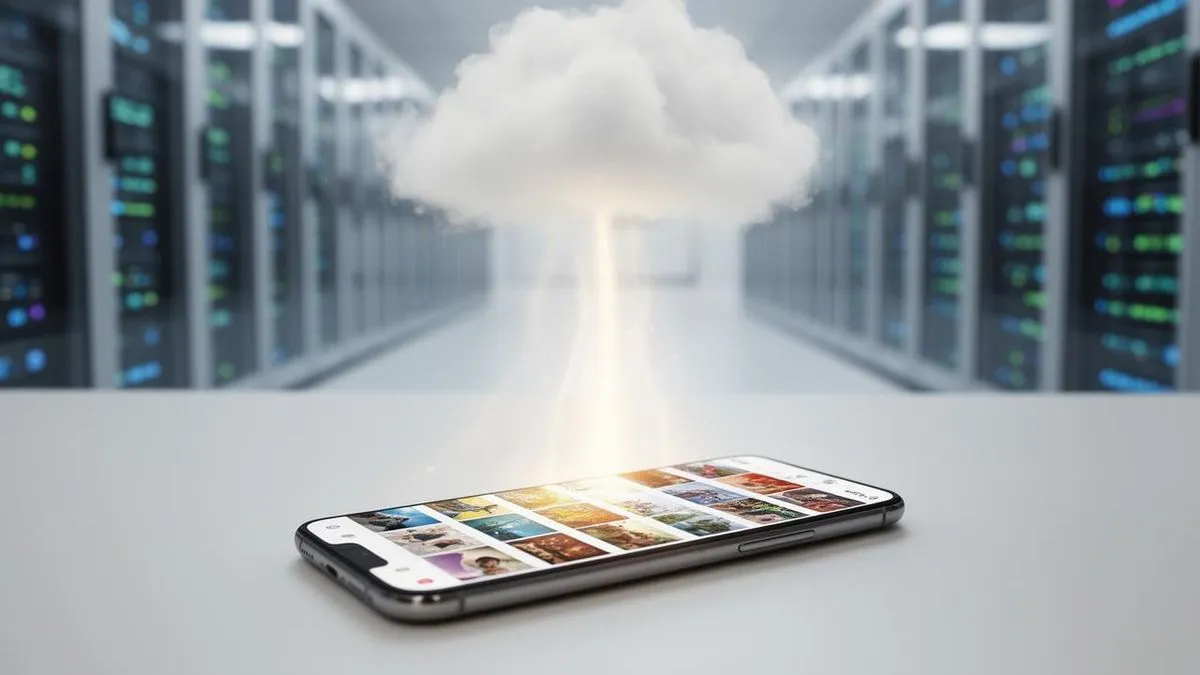
Samsung Electronics unveiled the service linking Samsung Gallery with Google storage on the 10th through its newsroom. The feature automatically syncs photos and videos across Galaxy devices signed in with the same Samsung and Google accounts. Users simply tap the cloud icon in the gallery app or turn on the "Sync photos and videos" item in the settings menu. There is no need to install a separate app or create a new cloud account—the service uses the existing Google account's storage as is.
The most noticeable change is cross-device accessibility. A photo taken with a smartphone during a trip can be viewed immediately in the Gallery on a Galaxy Tab signed in with the same account, and even after switching to a new Galaxy device, previously uploaded photos and videos appear as previews. If the original file is needed, users can select and download only the files they want.
A storage management feature is also included. After uploading photos and videos to Google storage, running the "Free up space on this phone" feature deletes the originals on the device and leaves only thumbnails. The originals are kept in the cloud and can be downloaded again when needed.
Free storage is capped at 15GB per account. However, this space is shared with Gmail, Google Drive and Google Photos, so actual available capacity varies widely depending on existing usage. If space runs short, users can upgrade to paid Google One plans: 100GB for $2 a month (about 2,700 won) and 200GB for $3 a month (about 4,000 won).
There are caveats. Only photos and videos uploaded through Samsung Gallery after syncing is enabled are displayed; photos already saved in Google Photos are not automatically pulled into the gallery. Deletion behavior also requires attention. Deleting a synced file from the gallery also removes it from other Galaxy devices tied to the same account. To clear only the device's local storage, users should use the dedicated free-up-space feature rather than a standard delete.
The service currently works only on some Galaxy smartphones and tablets running One UI 9, the latest custom Android interface. Samsung Electronics plans to gradually expand supported devices and said availability may vary by country and region.
The decision is seen as Samsung Electronics shifting the backup backbone of its ecosystem from Microsoft to Google. Galaxy users previously had to use the Google Photos app separately to back up photos to Google, but can now do the same with just the default gallery. Conversely, for users who have relied primarily on Google Photos, Samsung Gallery becomes another entry point.
One variable is that the free 15GB is a shared pool also used by Gmail and Drive. Users who accumulate large volumes of high-resolution photos and videos are likely to end up subscribing to Google One. The Big Tech subscription battle over cloud storage has now moved inside Samsung devices' default apps.