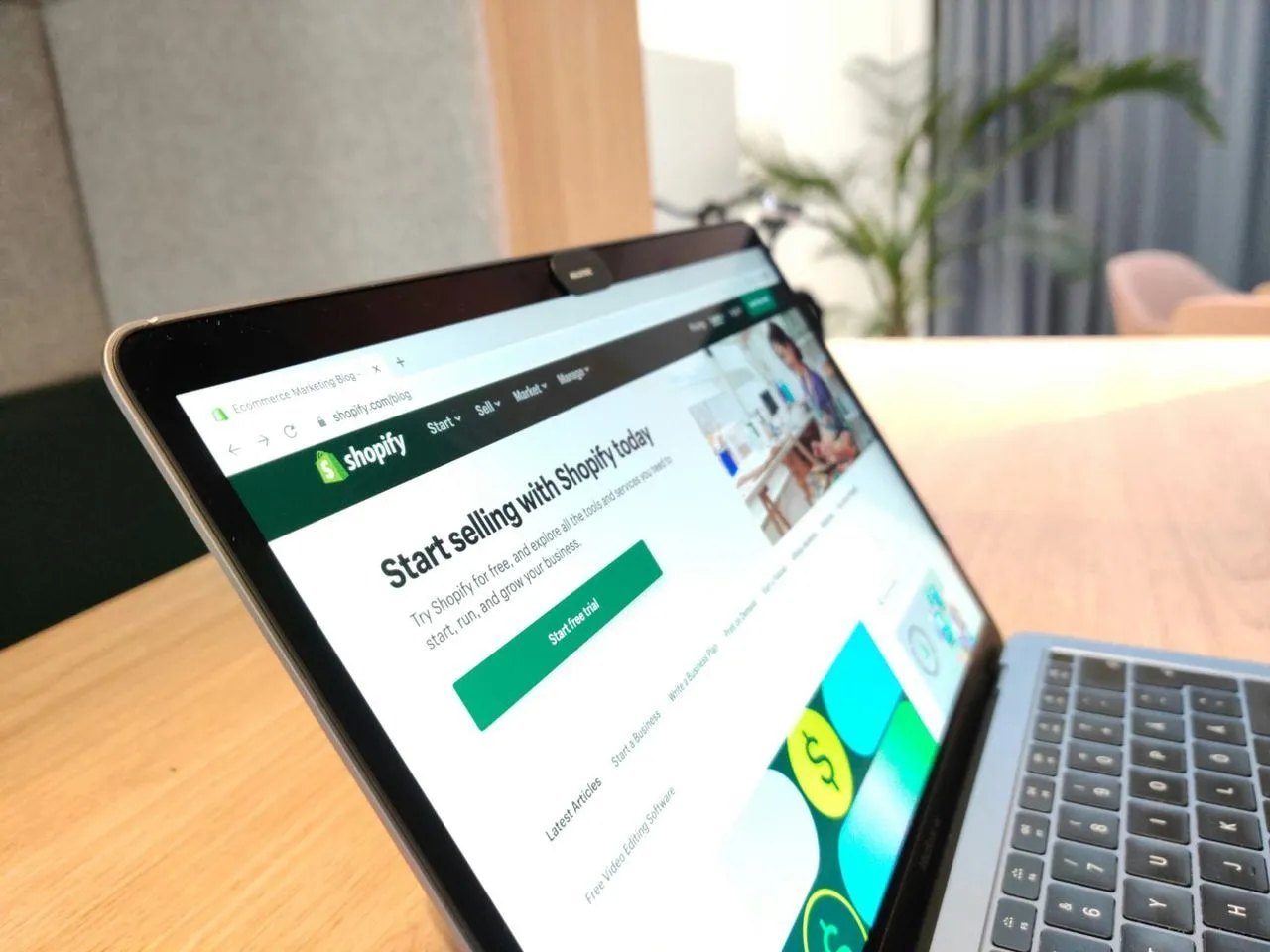
Shopify has expanded its AI-powered Campaign Autopilot tool to include SEO and additional advertising channels. The update allows merchants to manage paid advertising, email campaigns, and product SEO recommendations through the Shopify admin dashboard.
The ecommerce platform announced the wider availability of Campaign Autopilot on October 28, following its initial introduction in June 2026. The tool automates campaign planning, budget allocation, and performance monitoring, while allowing merchants to set spending targets and approve proposed marketing activities.
Shopify expands automated campaign management
Campaign Autopilot supports advertising across Meta, Microsoft Advertising, Snapchat, and Shopify’s Shop platform. It also works with Shopify Messaging to manage email marketing activities, including abandoned checkout reminders and welcome emails for new subscribers.
Merchants can connect existing Meta and Microsoft Advertising accounts or use Shopify’s guided setup process to create new ones within the administration interface. They must still meet the billing, verification, and account requirements of the respective advertising platforms.
Once connected, Campaign Autopilot can create advertising campaigns, select channels, and allocate spending based on campaign performance. Merchants can set monthly spending targets and restrictions covering geographic regions, languages, and return on advertising spend (ROAS).
The system uses product catalogues, inventory information, customer segments, purchase histories, and conversion metrics to generate marketing recommendations. According to Shopify, it also draws on patterns observed across its merchant network to inform channel selection and budget allocation.
Campaign performance can be monitored through Shopify’s Growth dashboard, which displays metrics including reach, sessions, orders, and sales. Merchants can also review recommendations awaiting approval and the actions taken by the system.
The expansion also introduces SEO recommendations, extending the tool beyond paid advertising and email marketing. Campaign Autopilot can analyse product information and suggest changes to metadata, which merchants can review and approve before implementation.
Merchants can also request SEO updates through Sidekick, Shopify’s AI assistant, and use it to review marketing recommendations. Shopify’s October 28 announcement identified X Ads as an upcoming integration, while its June announcement also listed ChatGPT Ads among the planned channels. X Ads has since appeared in Shopify’s Help Center documentation, although availability remains subject to eligibility requirements.
Advertising costs and merchant controls
According to Shopify, Campaign Autopilot does not carry an additional platform fee for eligible merchants. Advertising costs vary across channels, with Meta, Microsoft Advertising, and Snapchat billing merchants directly, while Shop Campaigns follows a separate customer acquisition pricing model. Shopify Messaging charges depend on a merchant’s plan and usage.
In an interview with AdExchanger, Samir Pradhan, Shopify’s VP of Product for Merchant Marketing, described a pay-per-sale approach under which Shopify assumes media risk and merchants pay for sales generated through advertising. However, Shopify’s official documentation does not establish that this arrangement applies to every advertising channel supported by Campaign Autopilot.
Campaign Autopilot also allows merchants to determine which activities require approval before launch. Businesses can authorise certain marketing tasks to run automatically or review proposed campaigns before they are activated.
Shopify’s documentation states that changes to campaign restrictions and permissions apply only to future recommendations, not activities already running. Merchants also cannot manually change the customer segments selected for automated campaigns, although they can request new recommendations for certain elements, including email subject lines and product selections.
Merchants cannot stop individual active Autopilot tactics through the central management interface. Instead, they must pause or disconnect the relevant channel, which stops all automated activities running through it.
Shopify also notes that monthly advertising budgets are spending targets rather than strict limits. Actual expenditure can exceed these targets because of delays in conversion attribution across connected advertising platforms.
According to Shopify’s documentation, merchants can contact Shopify Support to request a credit for spending above their monthly target when the overrun results from delayed attribution. Merchants can also adjust their spending targets and pause automated marketing activities.
Campaign Autopilot is available on Shopify subscription plans other than the Agentic plan, provided merchants meet the necessary store and channel requirements. Stores must have at least one product, configured shipping, the required marketing permissions, and an account in acceptable standing.
Shopify does not guarantee advertising results and states that Campaign Autopilot needs time to collect performance data and refine its recommendations. Its June and October product announcements do not provide comparative figures showing how the tool performs against manually managed campaigns.
(Photo by hookle.app)
See also: How to build a social strategy around cultural moments