DISCLAIMER: This article is based on information from the public domain and/or the experts we spoke to. Always consult your health practitioner before starting any routine.
How far is it true?
Dr Nikita Kulkarni, an obstetrician and gynaecologist from Thane, says that there is growing interest in whether soy-rich diets can help women manage menopause, particularly because soy has traditionally been part of Japanese diets.
She explains that soy contains isoflavones, a type of phytoestrogen, which are plant compounds that can interact with estrogen receptors in the body.
“Some studies suggest that isoflavones may modestly reduce hot flushes, but the overall evidence remains inconsistent. These compounds do not act in the same way as the body’s natural estrogen and should not be considered a substitute for hormone therapy,” points out Dr Kulkarni.
Is soy alone enough?
According to her, differences in menopausal symptoms reported among Japanese women cannot be attributed to soy consumption alone, as cultural, genetic, dietary and lifestyle factors may also influence these observations.
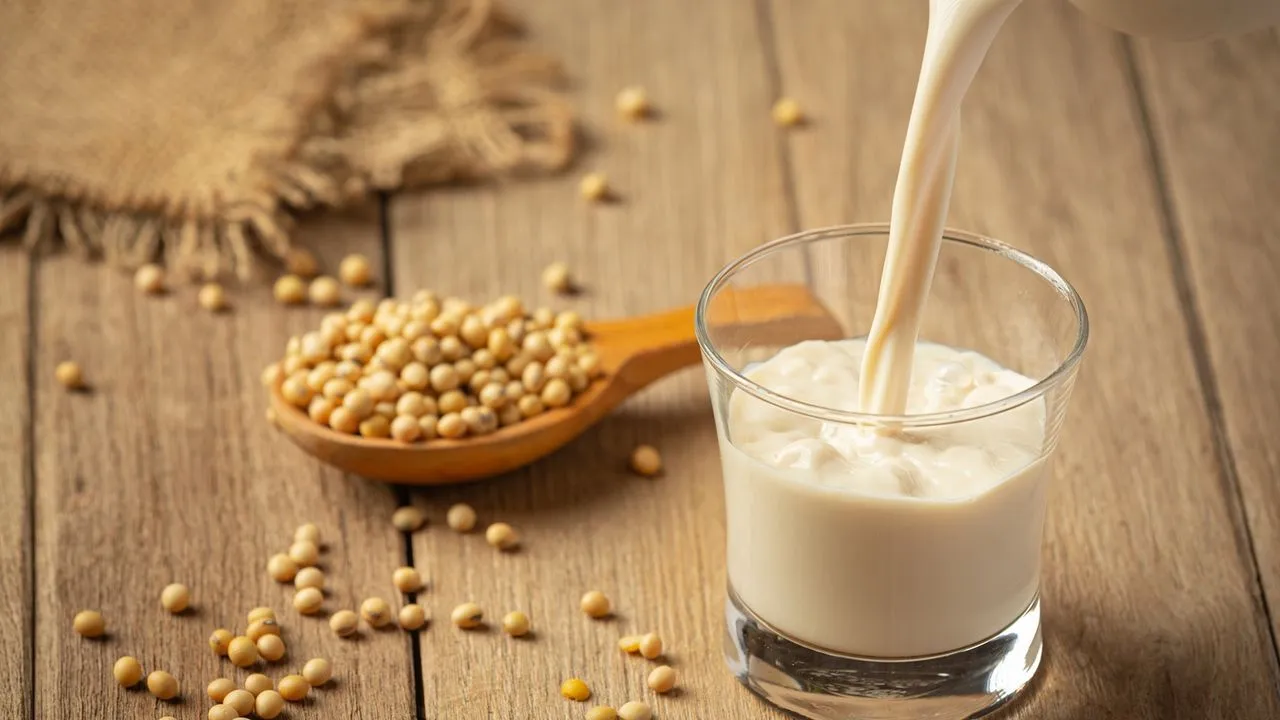
“Women can include soy foods such as tofu, soybeans, tempeh and unsweetened soy milk as part of a balanced diet. These provide plant-based protein and other beneficial nutrients that support overall health. Calcium-fortified soy milk and calcium-set tofu can also contribute to calcium intake,” says the expert.
Story continues below this ad
She also reiterates that during menopause, adequate protein, calcium and vitamin D remain important for maintaining muscle and bone health, alongside fruits, vegetables, whole grains, nuts and seeds.
What to note
However, Dr Kulkarni warns that whole soy foods should not be confused with concentrated isoflavone supplements, whose effectiveness and long-term safety remain uncertain.
Rather than relying on soy alone to manage menopausal symptoms, she recommends that women also prioritise balanced nutrition, regular physical activity, adequate sleep, and overall well-being. “Menopause affects every woman differently, and persistent hot flushes, night sweats or sleep disturbances deserve appropriate medical attention,” she says, adding that depending on individual health needs, effective hormonal and non-hormonal treatments may be considered.
“Soy can be a healthy dietary addition, but it is not a proven remedy for menopausal symptoms or a replacement for evidence-based medical care,” she concludes.
Story continues below this ad
DISCLAIMER: This article is based on information from the public domain and/or the experts we spoke to. Always consult your health practitioner before starting any routine.