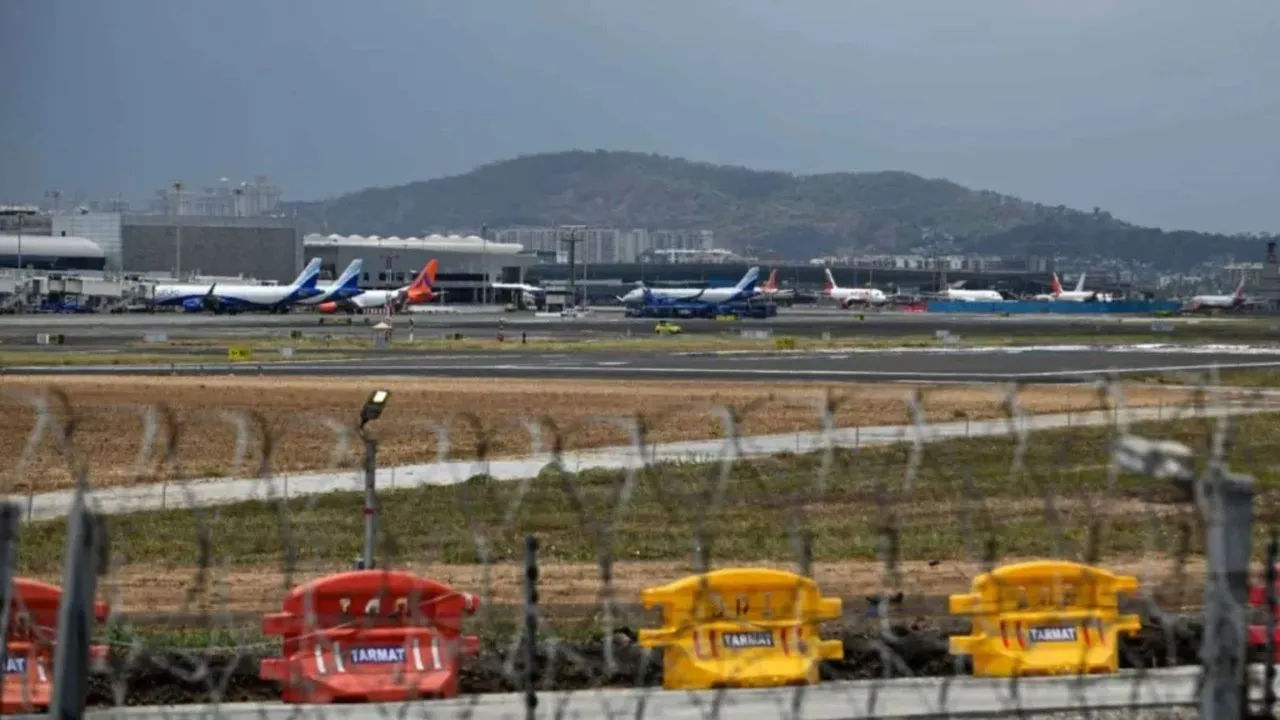
The AOC has sought the Centre’s intervention, requesting it to advise MIAL to reconsider its decision and honour the historical slots of all affected airlines in accordance with the applicable 2013 MoCA Slot Guidelines and the International Air Transport Association’s (IATA) Worldwide Airport Slot Guidelines (WASG).
While expressing support for the redevelopment of Terminal 1B, the committee said any decision to reduce airport capacity should be preceded by “constructive stakeholder consultation, transparency, and regulatory compliance”, without adversely affecting airlines’ established operational interests and historical slot entitlements.
Notably, the AOC had also previously sought the Centre’s intervention against the “unilateral decision” for capacity reduction at T2 to accommodate displaced passenger traffic from T1B by MIAL authorities.
The dispute comes amid plans for the phased transition of international flights from Chhatrapati Shivaji Maharaj International Airport (CSMIA) to Navi Mumbai International Airport (NMIA). The 14 destinations had previously been identified by Indian carriers as part of their proposed transition plans. These included flights to and from Dammam, Riyadh, Muscat, Madinah, Jakarta, Jeddah, Dhaka, Doha, Bahrain, Kathmandu, Kuwait, Ras Al Khaimah, Sharjah, and Fujairah.
In an email to MoCA dated October 30, MIAL had also presented its position on the proposed capacity reduction, arguing that transitioning flights to the aforementioned 14 destinations out of CSMIA would ensure that all flights are available at one airport instead of being split between two, minimising passenger inconvenience and seamless onward connections.